


What's Happening?
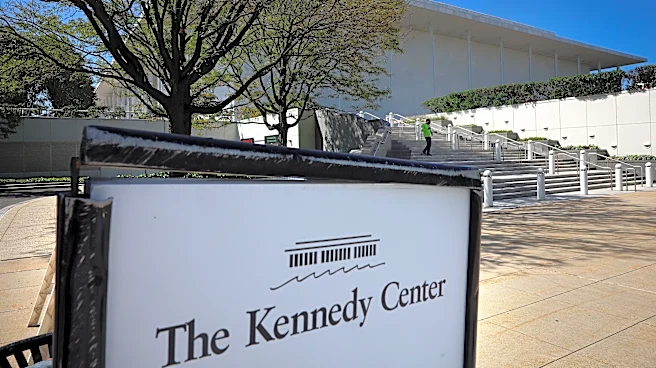
The Washington National Opera (WNO) announced its decision on January 9, 2026, to end its affiliation agreement with the Kennedy Center, opting to operate as an independent nonprofit organization. This separation follows significant financial and organizational
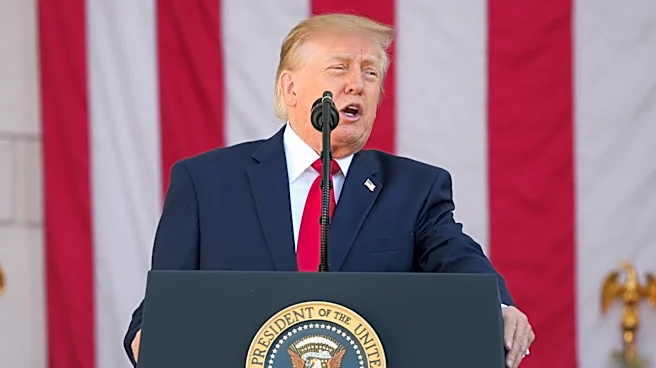
changes at the Kennedy Center, particularly under President Trump's leadership, and disagreements over funding models for opera productions. The Kennedy Center's new policy required productions to cover their full costs through anticipated ticket sales and secured financial support before approval, a model the WNO argued was incompatible with typical nonprofit opera operations, where donations and grants often materialize closer to production dates. The WNO has since moved its performances to other venues, including Lisner Auditorium at George Washington University and DAR Constitution Hall, adapting these spaces for opera productions.
Why It's Important?
The Washington National Opera's departure from the Kennedy Center signifies a major shift in the landscape of performing arts in Washington, D.C., and highlights broader challenges faced by nonprofit cultural institutions. The dispute over funding models underscores the precarious financial realities of opera, where ticket sales typically cover only a fraction of operating costs, necessitating substantial philanthropic support. This move could set a precedent for other arts organizations grappling with institutional changes and financial pressures. For the WNO, it represents an opportunity to redefine its artistic programming and operational structure independently, potentially fostering new creative approaches and audience engagement strategies. However, it also means taking on increased responsibilities for functions previously centralized at the Kennedy Center, such as marketing, fundraising, and human resources.
What's Next?
The Washington National Opera is actively establishing its new identity and operational model outside the Kennedy Center. Its 2026-27 season includes performances at DAR Constitution Hall, which has been reconfigured with a thrust stage and cabaret-style seating to offer a different audience experience. The company will continue to adapt various venues across the Washington region for its productions, demonstrating its commitment to maintaining a strong presence in the city's cultural life. The success of its initial independent performances, such as sold-out shows at Lisner Auditorium, suggests a positive audience response to its new direction. The WNO will focus on building its independent infrastructure, securing diverse funding sources, and innovating its artistic presentations to ensure long-term sustainability.
Beyond the Headlines
The separation of the Washington National Opera from the Kennedy Center delves into deeper implications concerning artistic independence versus institutional support. The controversy surrounding President Trump's influence, including the decision to add his name to the venue, and the subsequent artist cancellations and staff departures, points to the politicization of cultural institutions. This situation raises questions about the balance between financial viability, artistic freedom, and the values represented by major cultural centers. The WNO's move to adapt non-traditional venues for opera also reflects an evolving trend in the performing arts to create more immersive and accessible experiences, potentially democratizing opera beyond its traditional, often exclusive, settings. This shift could lead to new artistic expressions and audience demographics, reshaping the future of opera in the U.S. capital.