






What's Happening?
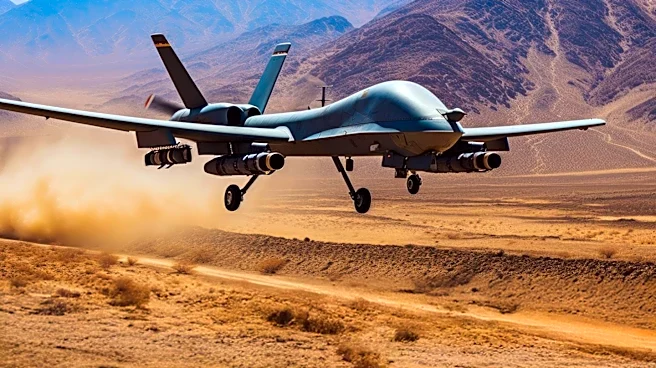
Kratos Defense & Security Solutions, Inc., a prominent defense technology company, is actively recruiting a Principal Embedded Software Engineer for its Unmanned Aerial Systems (KUAS) division in Roseville, California. This role focuses on architecting
and implementing mission-critical software for next-generation UAV flight computers. The selected engineer will be responsible for developing high-performance C++ applications to ensure deterministic control and system reliability, working at the intersection of hardware and software. Key duties include designing, developing, and testing C++ flight software, integrating hardware, sensors, and actuators, and analyzing system requirements. The position also involves writing software requirements specifications, test descriptions, and design documents, as well as mentoring mid-level software engineers. Kratos Defense emphasizes affordability in its technology solutions, leveraging cutting-edge methodologies to minimize costs and streamline schedules for its customers, which include the U.S. federal government and foreign governments.
Why It's Important?
This recruitment highlights Kratos Defense's ongoing commitment to advancing unmanned aerial systems technology, a critical area for national defense and security. The development of sophisticated UAV flight software directly contributes to enhancing the capabilities of military and allied forces, providing cost-effective solutions for surveillance, reconnaissance, and tactical operations. By investing in top-tier engineering talent, Kratos aims to maintain its position as a leader in delivering high-performance, jet-powered unmanned systems. The role's focus on C++ and real-time operating systems underscores the complexity and precision required in modern defense applications. The emphasis on affordability also suggests a strategic effort to make advanced defense technologies more accessible, potentially influencing procurement strategies within the U.S. Department of Defense and international partners. This could lead to broader adoption of Kratos's UAV platforms, strengthening national security infrastructure.
What's Next?
The successful hiring of a Principal Embedded Software Engineer will directly contribute to the accelerated development and deployment of Kratos's next-generation UAV flight computers. This will likely lead to advancements in the autonomy, reliability, and performance of their unmanned systems, potentially resulting in new product offerings or upgrades to existing platforms. The company's continued focus on innovation in unmanned systems suggests future contracts with the U.S. military and international allies, further solidifying its market position. As Kratos continues to expand its engineering team, it is expected to push the boundaries of what is possible in defense technology, particularly in areas like hypersonic weapons, satellite communications, and cybersecurity. This strategic hiring could also influence the broader defense industry by setting new standards for software engineering in unmanned aerial vehicles.
Beyond the Headlines
The demand for highly skilled embedded software engineers in the defense sector, as exemplified by Kratos's recruitment, points to a broader trend of increasing reliance on sophisticated software for military hardware. This shift has profound implications for national security, as the effectiveness of advanced defense systems increasingly depends on the quality and resilience of their underlying software. Ethical considerations surrounding autonomous systems, particularly in warfare, will continue to evolve as UAV capabilities advance. The need for robust cybersecurity measures in these systems is also paramount, given the potential for adversaries to exploit software vulnerabilities. Furthermore, the emphasis on affordability in defense technology could drive innovation in cost-effective engineering practices, potentially influencing other high-tech industries. The ongoing competition for top engineering talent in this specialized field highlights the strategic importance of STEM education and workforce development for maintaining technological superiority.