






What's Happening?
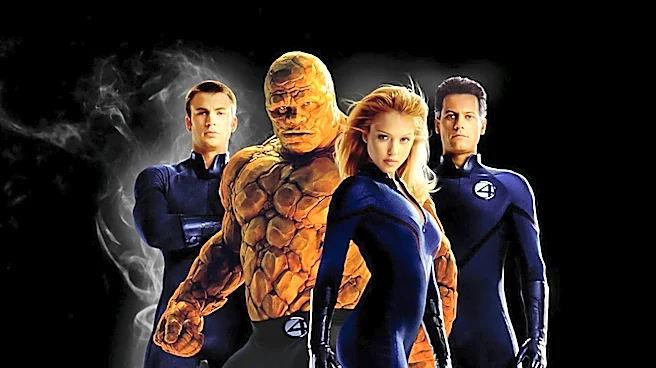
Marvel Comics is set to release 'Fantastic Four: First Foes – The Wizard #1' in December, marking the finale of a series that explores the early adventures of the Fantastic Four within the continuity of Marvel Studios’ 'The Fantastic Four: First Steps'
film. Written by Fabian Nicieza and illustrated by Mark Buckingham, this one-shot will introduce Bentley Wittman, also known as The Wizard, and his newly formed team, the Frightful Four. The storyline centers on The Wizard's ambition to prove his intellectual superiority over the Fantastic Four by attempting to steal the Baxter Building, a globally recognized monument to science. This comic book initiative is a direct collaboration between Marvel Studios and Marvel Comics, aiming to expand on the film's universe by reimagining the team's initial encounters with their classic adversaries. The series has previously delved into the Fantastic Four's history before their cinematic confrontation with Galactus, providing comic-book backstories for the retro-futuristic world established by the film.
Why It's Important?
This comic book release is significant as it represents a continued and direct crossover strategy between Marvel Studios and Marvel Comics, aiming to enrich the narrative universe of the upcoming 'Fantastic Four: First Steps' film. By introducing iconic villains like The Wizard and the Frightful Four in a comic format prior to their potential cinematic debut, Marvel is leveraging its publishing arm to build anticipation and provide deeper lore for fans. This approach allows for the exploration of character backstories and early conflicts that might not fit into a two-hour film, offering a more comprehensive understanding of the Fantastic Four's world. For the comic book industry, it highlights a trend of synergy with major film franchises, potentially drawing new readers who are introduced to characters through movies. It also demonstrates a creative method for expanding a film's universe without immediate reliance on additional cinematic or streaming productions, offering a flexible and cost-effective way to develop intellectual property.
What's Next?
The release of 'Fantastic Four: First Foes – The Wizard #1' in December will conclude the 'First Foes' series, providing fans with the origin story of The Wizard and the Frightful Four within the 'First Steps' universe. This finale is expected to set the stage for future narratives, potentially influencing the direction of the 'Fantastic Four: First Steps' film or subsequent comic book series. The collaboration between Marvel Studios and Marvel Comics suggests a continued strategy of using comics to expand and deepen the cinematic universe, which could lead to more 'First Foes' style one-shots or ongoing series that tie directly into upcoming Marvel Studios projects. Readers can anticipate how the reimagined villains will impact the Fantastic Four's early adventures and whether these comic book introductions will foreshadow their roles in future film installments. The success of this integrated storytelling approach could also pave the way for similar cross-media expansions for other Marvel properties.
Beyond the Headlines
The ongoing collaboration between Marvel Studios and Marvel Comics, exemplified by the 'Fantastic Four: First Foes' series, signifies a deeper integration of storytelling across different media platforms. This strategy moves beyond traditional movie tie-in comics by actively shaping the narrative and character introductions for the cinematic universe. It raises questions about the evolving role of comic books in a multimedia franchise, positioning them not just as source material but as active contributors to the ongoing canon. This approach could lead to a more cohesive and expansive Marvel universe, where comic book narratives directly inform and enrich the cinematic experience. Ethically, it presents an interesting dynamic for creators, as they are tasked with reimagining classic characters to fit a new, established film aesthetic while maintaining their core appeal. This could also influence how other major studios approach their intellectual properties, potentially leading to a broader trend of cross-platform narrative development.





