





What's Happening?
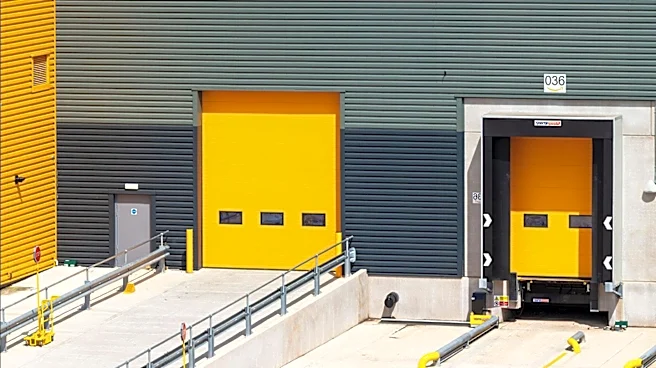
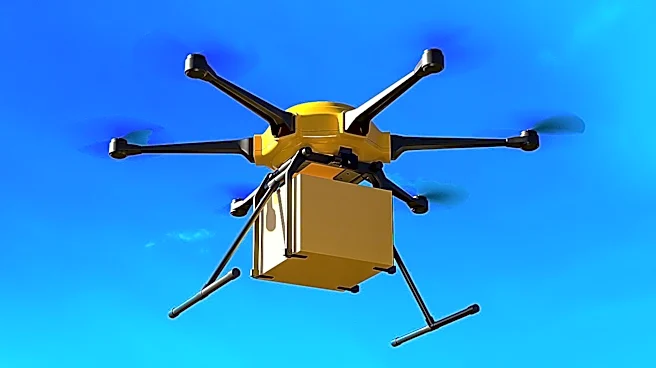
Amazon has initiated its drone delivery service, Prime Air, from its fulfillment center in Papillion, Nebraska. This new service introduces advanced technology to Sarpy County skies, accompanied by comprehensive safety protocols. The drones operate from sunrise
to sunset, flying at altitudes up to 400 feet and covering a range of approximately 7.5 miles. Erik Robertson, Prime Air Regional Operations Manager, stated that the drones utilize sensors for navigation and do not carry cameras. Amazon officials and Papillion police have established clear rules for drone operation, including automatic halts during severe weather conditions such as high winds, rain, and lightning within a certain radius. Deliveries are also paused if people or animals are detected in a customer's backyard within the delivery zone. The drones are equipped with sensors to detect and avoid birds and have built-in emergency landing gear and designated emergency landing locations for malfunctions.
Why It's Important?
The launch of Amazon's drone delivery service in Papillion marks a significant advancement in logistics and e-commerce, potentially revolutionizing last-mile delivery across the U.S. This initiative could set a precedent for how drone technology is integrated into urban and suburban environments, influencing regulatory frameworks and public acceptance nationwide. For consumers, it offers faster delivery times and increased convenience. For the local economy in Papillion, it signifies technological innovation and potentially new job opportunities in drone operations and maintenance. The strict safety protocols, particularly regarding weather and wildlife, are crucial for building public trust and ensuring the safe coexistence of drones with existing airspace users and the community. The collaboration between Amazon and local law enforcement, as highlighted by Papillion Police Lieutenant Kurt McClannan, is vital for managing airspace and responding to incidents, establishing a model for future drone operations in other municipalities.
What's Next?
Amazon will continue to operate its Prime Air drone delivery service in Papillion, adhering to the established safety protocols regarding weather, wildlife, and ground obstacles. The company will likely gather data on the efficiency, reliability, and customer satisfaction of the service to refine its operations. Papillion police and Amazon will maintain their coordination to manage airspace and address any operational issues. The success of this pilot program in Papillion could lead to the expansion of Amazon's drone delivery services to other locations across the U.S., potentially transforming the landscape of package delivery. Ongoing technological advancements in drone capabilities and sensor technology are also anticipated, further enhancing safety and operational efficiency. Regulatory bodies will closely observe these operations to inform future drone policy and airspace management.
Beyond the Headlines
The introduction of drone delivery in Papillion raises broader questions about privacy, automation, and the future of urban infrastructure. While Amazon states its drones do not have cameras, the presence of autonomous flying vehicles in residential areas can still evoke privacy concerns among residents. This development also pushes the boundaries of automation in the service sector, potentially impacting traditional delivery jobs and necessitating a re-evaluation of labor markets. Furthermore, the integration of drones into local airspace requires careful consideration of noise pollution, visual impact, and the psychological effects on communities. The Papillion launch serves as a real-world laboratory for understanding how society adapts to advanced autonomous technologies, prompting discussions about the ethical implications, public acceptance, and the necessary balance between technological progress and community well-being. It also highlights the evolving role of local governments in regulating new technologies.