





What's Happening?
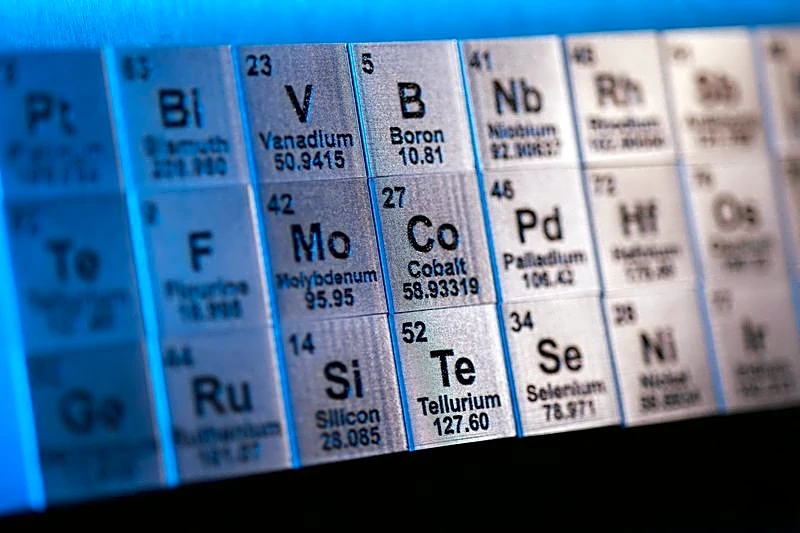
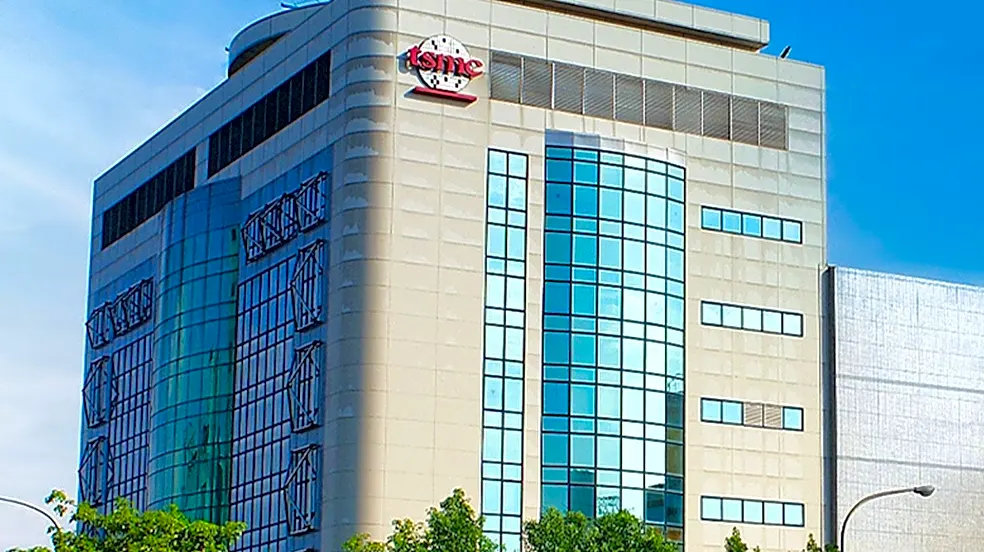
Taiwan Semiconductor Manufacturing Company (TSMC) is actively seeking alternatives to rare-earth components in its factory equipment. This strategic move is driven by concerns over potential disruptions to its operations due to China's export controls
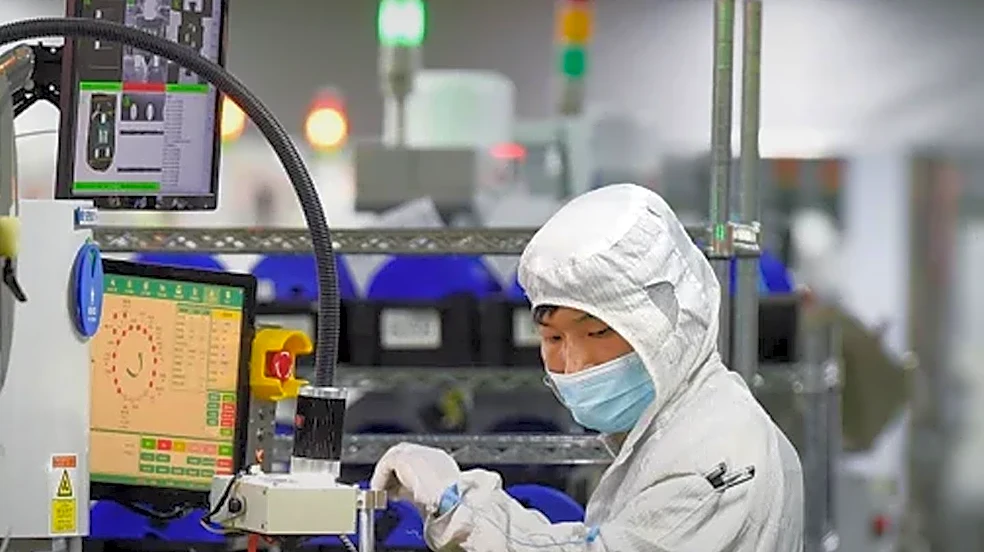
on certain rare-earth materials, magnets, and related processing technology. Rare-earth magnets are vital for motors in industrial equipment, including the highly automated machinery used in TSMC's advanced chip manufacturing plants. A shortage of these specialized parts could severely impact chip production for critical sectors such as smartphones, AI systems, data centers, and defense supply chains. TSMC has reportedly surveyed suppliers about using rare-earth-free motors, though discussions are still in early stages.
Why It's Important?
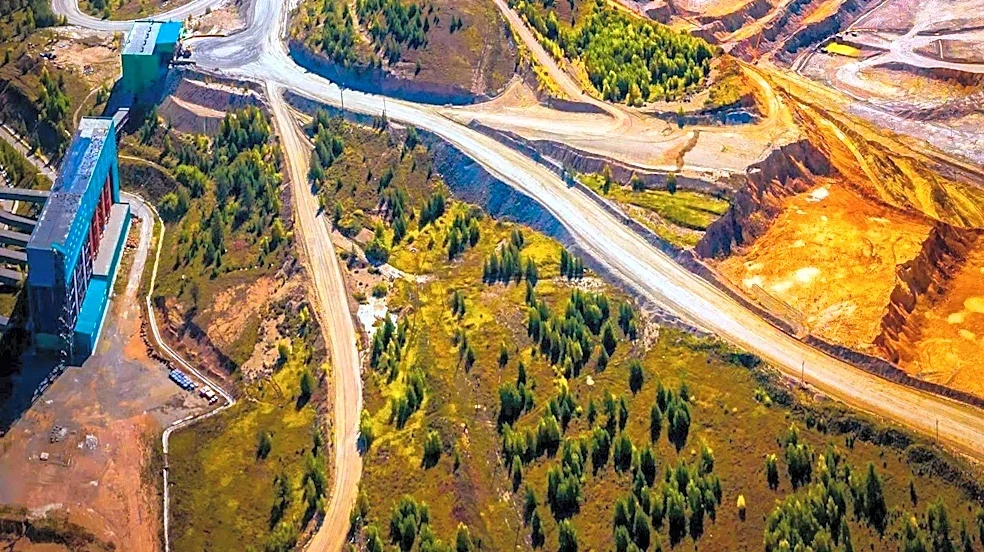
TSMC's initiative underscores the global semiconductor industry's vulnerability to geopolitical tensions and supply chain dependencies. China's dominant position in rare-earth production gives it significant leverage, and its export controls pose a direct threat to the continuous operation of advanced chip manufacturing. For the U.S., which relies heavily on TSMC for cutting-edge semiconductors, this effort is crucial for national security and economic stability. Diversifying away from rare-earth components reduces the risk of supply chain disruptions, ensuring a more stable supply of chips essential for technological innovation and defense capabilities. This move aligns with broader U.S. and Taiwanese efforts to build more resilient supply chains.
What's Next?
The immediate next steps involve TSMC continuing its discussions with suppliers to develop and integrate rare-earth-free equipment. This process is likely to be complex and could take time, as it involves redesigning and re-engineering critical machinery. Concurrently, the U.S. and Taiwan will likely intensify their collaborative efforts to develop alternative sources and processing capacities for critical minerals, as indicated by statements from Raymond F Greene of the American Institute in Taiwan and Taiwan's Economy Minister Kung Ming-hsin. Research institutions like Taiwan's Industrial Technology Research Institute (ITRI) are expected to play a key role in developing these new technologies and supply chains.
Beyond the Headlines
This development highlights a significant shift towards de-risking global supply chains, particularly in strategic industries like semiconductors. Beyond the immediate goal of securing chip production, TSMC's move could spur broader innovation in materials science and engineering, leading to the development of new, more sustainable, and less geopolitically sensitive materials for industrial applications. It also signals a potential long-term trend where companies and nations prioritize supply chain resilience over cost efficiency, leading to a more diversified and potentially localized manufacturing ecosystem. This could reshape global trade dynamics and foster greater self-sufficiency in critical technologies for various countries.