


What's Happening?
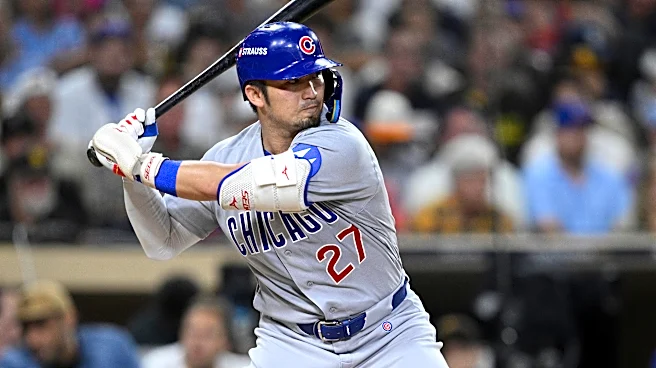
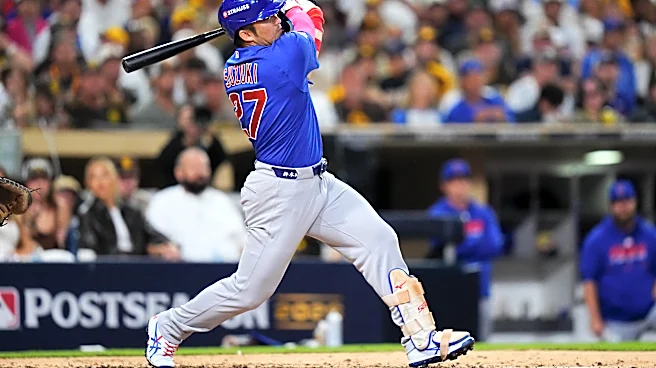
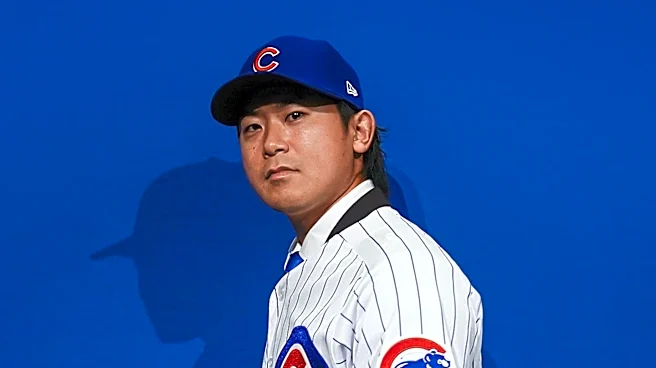
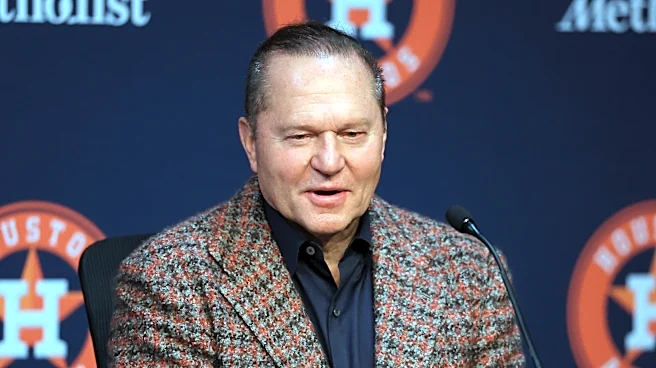
Seiya Suzuki, the 32-year-old right fielder for the Chicago Cubs, is expected to decline the one-year, $23.15 million qualifying offer extended by the team. His agent, Joel Wolfe, confirmed at the GM Meetings in Las Vegas that Suzuki will not accept the offer and
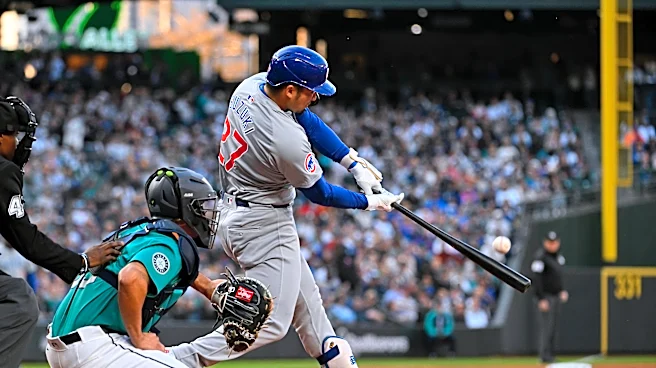
intends to explore options with other teams as a free agent. This decision was widely anticipated, as Suzuki is considered one of the top bats available in the free-agent market this offseason. In 2026, Suzuki had a strong season, batting .270/.368/.473 with 26 home runs, 31 doubles, 86 RBIs, and a 5.1 WAR, which was a career high. He also demonstrated improved defense, becoming a National League Gold Glove finalist. His consistent performance over the past few seasons, including a 2025 campaign with 32 home runs and 103 RBIs, positions him for a significant long-term contract.
Why It's Important?
Suzuki's decision to decline the qualifying offer and enter free agency significantly impacts the Chicago Cubs' offseason plans and the broader MLB market. For the Cubs, it means losing a key power bat and a consistent offensive presence, creating a substantial void in their outfield. The team will now need to actively seek replacements, either through free agency or trades, to maintain their competitive edge. For Suzuki, this move opens the door to securing a multi-year, high-value contract, potentially exceeding the $23.15 million offered by the Cubs. His consistent performance and proven ability to handle MLB pitching make him an attractive target for several teams looking to bolster their outfield and offensive production. Teams like the Toronto Blue Jays, San Diego Padres, and Seattle Mariners have been mentioned as potential suitors, indicating a competitive market for his services.
What's Next?
Seiya Suzuki will officially become a free agent, with his agent actively engaging with other MLB teams to explore potential contracts. The deadline for Suzuki to accept or decline the qualifying offer is November 17. Given his agent's public statement, it is highly probable he will decline by this date. Speculation suggests that Suzuki could be one of the significant free agents to sign before December 1, as teams aim to finalize deals before a potential lockout. The Cubs will now shift their focus to identifying and pursuing other outfield options in the free-agent market or through trades. Suzuki's decision will likely set a benchmark for other outfielders in the free-agent class, influencing contract negotiations across the league. His market will be closely watched as teams assess their needs for a middle-of-the-order bat and a strong defensive outfielder.
Beyond the Headlines
Suzuki's entry into free agency highlights a broader trend in MLB where established players often opt for the open market over qualifying offers to maximize their long-term earning potential and secure multi-year stability. This decision also underscores the financial dynamics of modern baseball, where consistent performance is highly valued and can lead to substantial paydays. For the Cubs, losing Suzuki could signal a strategic shift, potentially allowing them to reallocate resources to other areas of need, such as pitching, or to pursue younger talent. The competition for Suzuki's services will also reflect the current demand for proven offensive talent, particularly players who demonstrate both power and on-base skills. His success in MLB after transitioning from Japan's NPB also reinforces the growing global talent pool in baseball and the willingness of teams to invest in international stars.