







What's Happening?
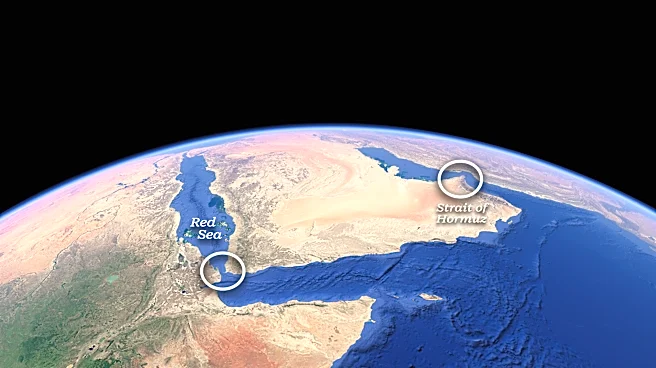
Oil prices have surged past $100 a barrel due to renewed conflict in the Middle East, particularly affecting global oil supplies. This increase has led to higher gasoline prices in the U.S., with the average price for regular gasoline reaching $4.09 per
gallon. The rise in oil prices is also impacting the cost of goods that rely on fuel for transportation, such as groceries and school supplies. Companies are passing these increased costs onto consumers, leading to higher prices across various sectors.
Why It's Important?
The spike in oil prices has significant implications for the U.S. economy, affecting consumer spending and inflation. Higher fuel costs can lead to increased prices for essential goods, straining household budgets and potentially slowing economic growth. The situation highlights the vulnerability of the U.S. economy to global geopolitical events and the importance of energy independence. Businesses and consumers alike may need to adjust to these changes, with potential impacts on consumer behavior and economic policy.