




What's Happening?
Telfar, a fashion brand founded in 2005 by Liberian-American designer Telfar Clemens, has cultivated a highly loyal customer base through its commitment to making designer fashion accessible and fostering emotional connections with its audience. The brand's
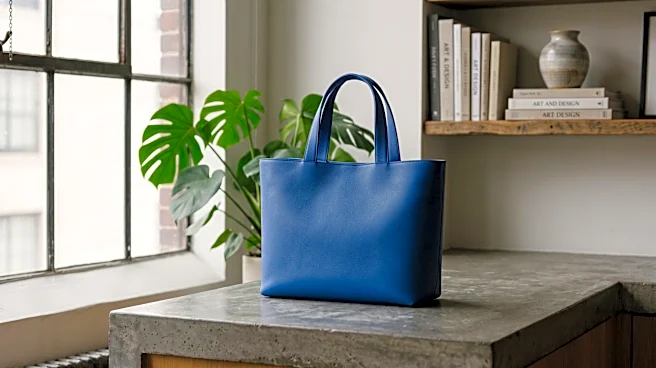
signature product, the 'Shopping Bag,' often referred to as the 'Bushwick Birkin,' is a key example of its success, retailing for approximately $200 for a medium-sized version. Brand strategists, including Frankie Margotta of Triptk and Bethany Paris Ramsay, highlight Telfar's approach to pricing, production, design, engagement, and selling as central to its ability to democratize luxury. Recent marketing tactics, such as a faux 'downsizing' announcement to launch miniature bag charms and a livestreamed show in Brooklyn during Paris Fashion Week, underscore the brand's focus on its community and its distinctive, often humorous, engagement style. These strategies reinforce Telfar's motto: 'It’s not for you – it’s for everyone,' positioning the brand as a leader in inclusive fashion.
Why It's Important?
Telfar's success offers significant insights for the U.S. fashion industry and retail sector, demonstrating that a strong brand identity built on accessibility and community can lead to substantial customer loyalty and market presence. The brand's ability to connect emotionally with consumers, as noted by Bethany Paris Ramsay, shows that modern shoppers seek more than just products; they desire a sense of belonging and alignment with brand values. This approach challenges traditional luxury models by proving that high demand and cultural relevance can be achieved without exclusionary pricing or marketing. For businesses, Telfar's model highlights the importance of authentic engagement and a clear point of view, especially in a market increasingly valuing inclusivity and social consciousness. The brand's appeal to a diverse audience, including those who support Black-owned businesses, also underscores the growing influence of cultural meaning in consumer choices, impacting how other brands might strategize their market positioning and customer outreach.
What's Next?
Telfar is expected to continue its innovative approach to marketing and community engagement, potentially influencing other fashion brands to adopt more inclusive and accessible strategies. The brand's recent decision to stage a show in Brooklyn during Paris Fashion Week, livestreaming it to a global audience, suggests a continued focus on its core community while still participating in high-fashion events. This dual approach could lead to further experimentation in how fashion shows and product launches are executed, blurring the lines between traditional industry events and direct-to-consumer engagement. Retailers and designers will likely observe Telfar's future moves to understand how to balance high-fashion credibility with broad accessibility. The brand's ongoing commitment to its 'for everyone' ethos will likely see it explore new product categories or collaborations that further democratize fashion, potentially expanding its reach and solidifying its position as a cultural phenomenon in the U.S. and beyond.
Beyond the Headlines
Telfar's impact extends beyond fashion trends, touching on deeper societal conversations about luxury, identity, and representation. By actively democratizing designer fashion, Telfar challenges the long-standing elitism within the industry, making high-quality, desirable products available to a broader demographic. This shift has cultural implications, as it empowers consumers who have historically been excluded from luxury markets to participate and express their identity through fashion. The brand's success as a Black-owned business further highlights the importance of diversity and inclusion in entrepreneurship and consumer choice, fostering a sense of pride and belonging among its customer base. Telfar's narrative also encourages a re-evaluation of what constitutes 'luxury,' suggesting that cultural meaning, community connection, and ethical practices can be as valuable as exclusivity and high price points. This could lead to a more equitable and representative fashion landscape in the long term.