



What's Happening?
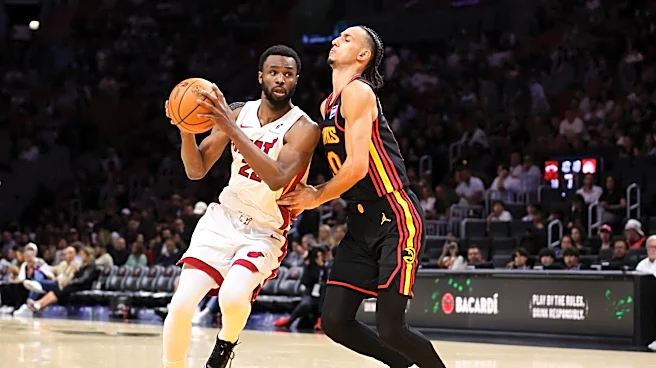
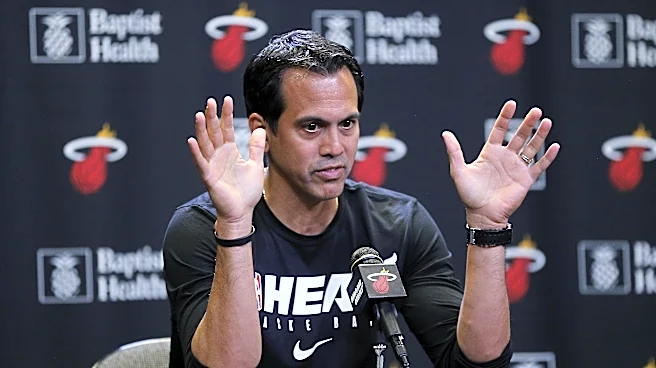
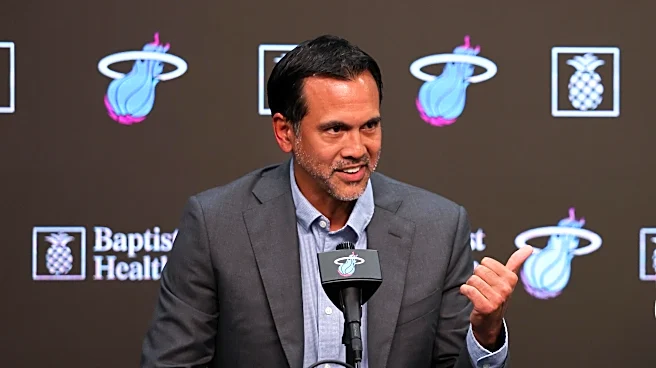
Miami Heat head coach Erik Spoelstra has made a significant rotation change, benching veteran forward Andrew Wiggins and inserting Pelle Larsson into the starting lineup. This decision came after the team's first 10 games of the season, during which Wiggins had
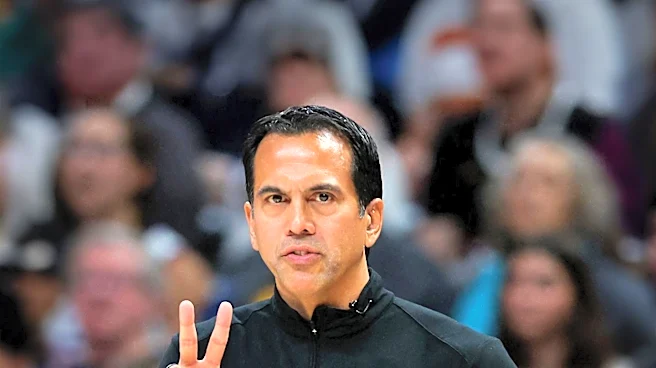
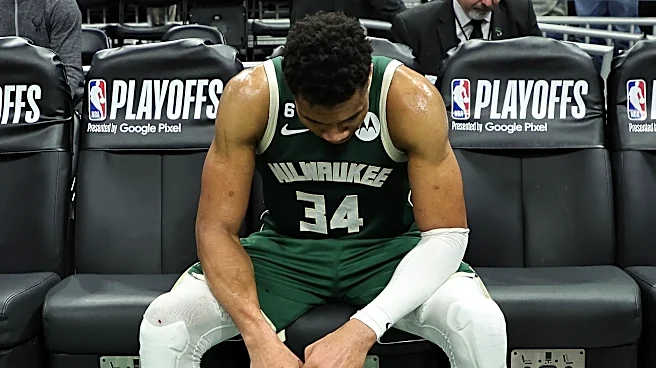
been struggling with career-low averages of 8.3 points on 40% shooting and 31.7% from three-point range. According to Hot Hot Hoops, the change immediately paid off with a bounce-back win against the Sacramento Kings. Spoelstra emphasized that his rotation decisions are based on current performance and what makes the team look its best, rather than individual resumes or reputations. He acknowledged the difficulty of the decision, expressing empathy for Wiggins, but highlighted Larsson's ability to be a 'connector' and provide consistent energy and toughness. Wiggins, a former champion and All-Star, has been relegated to the second unit, where Spoelstra hopes to find ways to get him more aggressive and involved.
Why It's Important?
This lineup change is significant for the Miami Heat as it signals a clear shift in coaching philosophy under Erik Spoelstra, prioritizing current on-court effectiveness over established player status or contract value. Andrew Wiggins' $30 million annual salary and past accolades did not prevent his benching, indicating a results-driven approach. For the Heat, this move aims to improve overall team performance, particularly on the defensive end where Wiggins had been a negative factor. The success of Pelle Larsson in the starting role could provide a much-needed spark for a team looking to optimize its lineup. This decision also impacts Wiggins' role and potential future with the team, as he seeks to regain his form and contribute effectively from the bench. The move underscores the competitive nature of professional basketball, where even high-profile players must consistently perform to maintain their starting positions.
What's Next?
The immediate next step for the Miami Heat will be to observe how the new starting lineup, featuring Pelle Larsson, continues to perform in upcoming games. The team will be looking for sustained positive results, particularly in terms of defensive pressure and offensive flow, which Larsson has reportedly brought. For Andrew Wiggins, the focus will be on adapting to his new role with the second unit and finding ways to be more aggressive and impactful off the bench. Coach Spoelstra has indicated a commitment to getting Wiggins organized and aggressive in this new capacity. The team's overall record and chemistry will be closely monitored to determine the long-term effectiveness of this rotation change. Future adjustments could be made based on individual player performance, team dynamics, and opponent matchups as the season progresses.
Beyond the Headlines
Beyond the immediate on-court implications, this decision by Erik Spoelstra highlights the evolving dynamics of player management in professional sports. It underscores the principle that even highly compensated and decorated athletes are subject to performance-based evaluations that can lead to significant role changes. This could set a precedent for how teams manage underperforming stars, emphasizing collective success over individual status. For Wiggins, it presents a challenge to his professional identity and resilience, requiring him to adapt and prove his value in a different capacity. The situation also reflects the strategic depth required of NBA coaches, who must balance player morale, team chemistry, and the pursuit of winning. The success or failure of this move could influence future coaching decisions across the league regarding how to handle struggling star players.