





What's Happening?
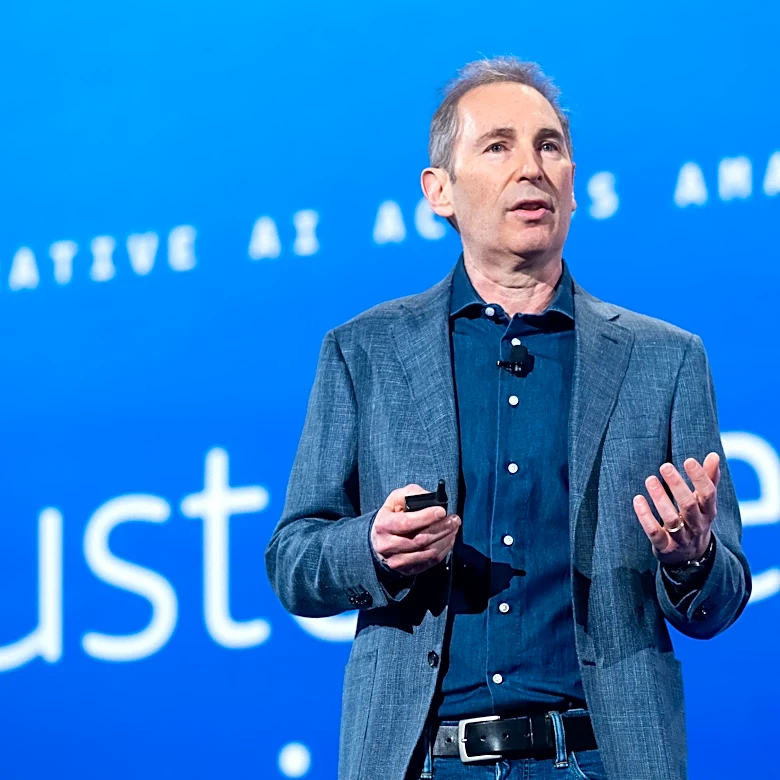
AT&T CEO John Stankey has issued a warning regarding a projected shortage of nearly 200,000 construction and technician workers by 2032. This labor deficit is critical for supporting the burgeoning artificial intelligence (AI) boom, which relies heavily
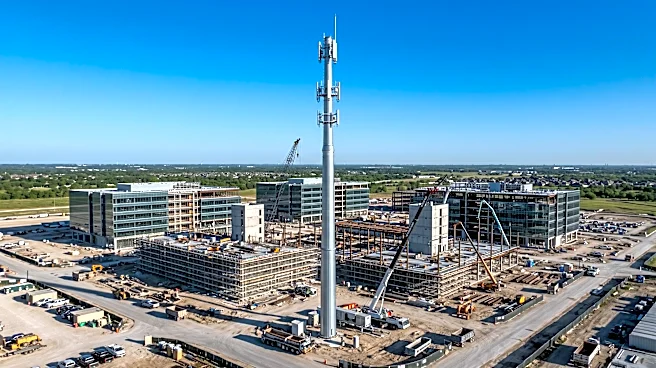
on the construction and maintenance of data centers across the United States. Stankey emphasized that while much attention is given to chips, power, and capital in the AI buildout, the human element of skilled fiber technicians is being overlooked. These workers are essential for trenching, installing, connecting, and maintaining the fiber lines necessary for data center operations. AT&T has been proactive, hiring approximately 10,000 broadband construction and fiber technicians over the past three years and planning to add another 3,000 in 2026 as part of a $250 billion multi-year investment in fiber infrastructure.
Why It's Important?
This worker shortage poses a significant bottleneck for the continued expansion of AI infrastructure and, consequently, for U.S. economic growth driven by data center development. With an estimated $800 billion expected to be spent on data centers in 2026 alone, a lack of skilled labor could lead to delays in project completion and operational readiness. The competition for these specialized workers is intensifying across multiple sectors, including AI infrastructure projects and rural broadband initiatives, potentially driving up labor costs and creating bidding wars for a finite workforce. Stankey's warning underscores that financial investment and technological advancements alone are insufficient without the necessary human capital to implement and maintain the physical infrastructure. This situation could impact the pace of AI innovation and deployment across various U.S. industries, from technology to telecommunications.
What's Next?
The immediate next steps involve companies like AT&T continuing their efforts to recruit and train skilled technicians. AT&T's plan to hire 3,000 more technicians in 2026 will be a key indicator of progress. The broader challenge lies in expanding training pipelines rapidly enough to address a shortage measured in the hundreds of thousands. Policy discussions may also emerge, as government programs for rural broadband compete for the same pool of technicians as private AI infrastructure projects. This competition could necessitate coordinated strategies between public and private sectors to ensure an adequate supply of skilled labor. Stakeholders will be closely monitoring whether other telecommunications carriers announce similar large-scale hiring initiatives and how effectively the U.S. workforce development system adapts to meet this critical demand for specialized technical skills.
Beyond the Headlines
The looming worker shortage highlights a deeper societal challenge: the disconnect between rapid technological advancement and the availability of a skilled workforce to support it. While AI promises to automate many jobs, it simultaneously creates new demands for specialized human labor in infrastructure development and maintenance. This situation underscores the importance of vocational training and technical education in the U.S., which may have been overshadowed by an emphasis on four-year college degrees. The competition for these workers also brings to light potential equity issues, as rural areas seeking broadband access might find themselves competing with well-funded AI projects for the same limited talent pool. Addressing this challenge will require not only corporate investment but also a national strategic focus on workforce development, potentially involving government incentives, educational reforms, and public-private partnerships to cultivate the necessary skills for the digital economy.