





What's Happening?
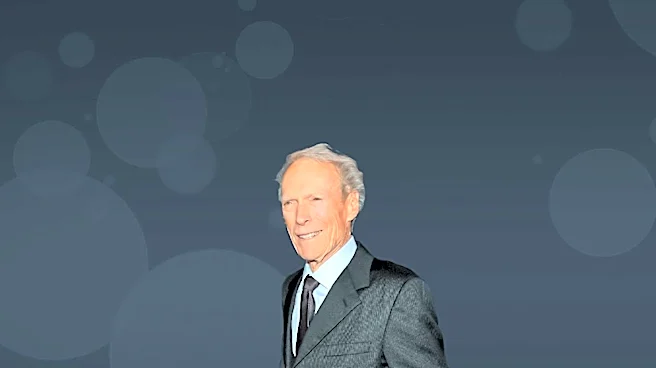
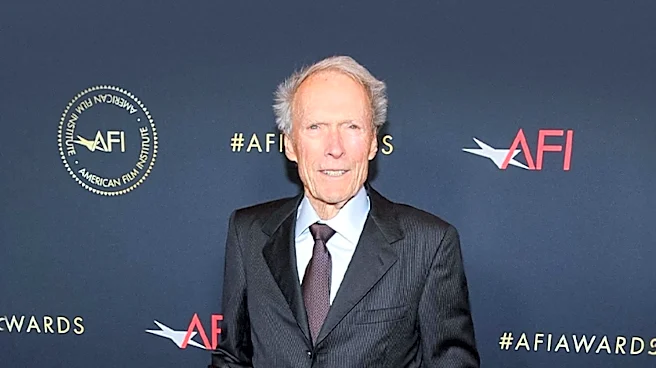
Clint Eastwood's 1973 film 'Breezy' is being re-examined as a significant departure from his more recognized works of the era, such as 'Dirty Harry' or 'High Plains Drifter'. The film, which Eastwood directed but did not star in, is an adult romance focusing
on a May-December relationship between a middle-aged real estate agent, Frank Harmon (William Holden), and a young flower child, Breezy (Kay Lenz). This movie stands out for its absence of violence and threat, a stark contrast to the themes prevalent in Eastwood's other 1970s productions. The narrative explores the clash of backgrounds between the two main characters, with Frank representing the white-collar professional world and Breezy embodying the counter-culture of the time. Despite their differences, the film portrays a mutual tolerance between these distinct communities, a refreshing element for its period. The story delves into the complexities of their unexpected romance, highlighting the challenges of finding common ground and respect across age and societal divides.
Why It's Important?
The re-evaluation of 'Breezy' is important for understanding the breadth of Clint Eastwood's directorial vision and his willingness to explore diverse genres early in his career. This film challenges the common perception of Eastwood as solely a director of violent or action-oriented movies, revealing a more sensitive and introspective side to his filmmaking. It demonstrates his capacity to craft character-driven dramas focused on human relationships and emotional depth, rather than relying on his established persona. For film enthusiasts and critics, 'Breezy' offers a crucial piece of the puzzle in tracing Eastwood's artistic evolution, suggesting that his later, more mature works, like 'The Bridges Of Madison County' or 'Unforgiven', had roots in earlier, less-recognized projects. The film's portrayal of societal tolerance between differing lifestyles also provides a valuable historical snapshot of the early 1970s, showcasing a nuanced perspective on generational and cultural divides.
What's Next?
While 'Breezy' is a historical film, its renewed discussion could lead to increased interest in Clint Eastwood's lesser-known directorial efforts, prompting film archives and streaming platforms to highlight these works. This could encourage a broader re-assessment of his filmography, potentially influencing future academic studies or retrospectives on his career. For contemporary filmmakers, 'Breezy' serves as an example of a director stepping outside their established genre, which might inspire others to take similar creative risks. The film's themes of intergenerational romance and societal contrasts remain relevant, potentially sparking new discussions on how these dynamics are portrayed in modern cinema. Furthermore, the recognition of 'Breezy' as a precursor to Eastwood's later anti-violence messaging could reshape critical narratives around his artistic development.
Beyond the Headlines
Beyond its immediate cinematic context, 'Breezy' offers deeper insights into the cultural landscape of the early 1970s, particularly the interactions between the fading counter-culture and mainstream society. The film's depiction of casual nudity, presented not as eroticism but as a means of overcoming awkwardness, reflects a certain openness and challenge to conventional norms prevalent in that era. This aspect highlights a shift in societal attitudes towards personal freedom and expression. The movie also subtly explores the theme of mid-life crises and the search for meaning, contrasting the jadedness of an older generation with the naive optimism of youth. This exploration of existential questions, set against a backdrop of evolving social mores, provides a rich cultural artifact that speaks to the complexities of human connection and the search for identity across different life stages.