



What's Happening?
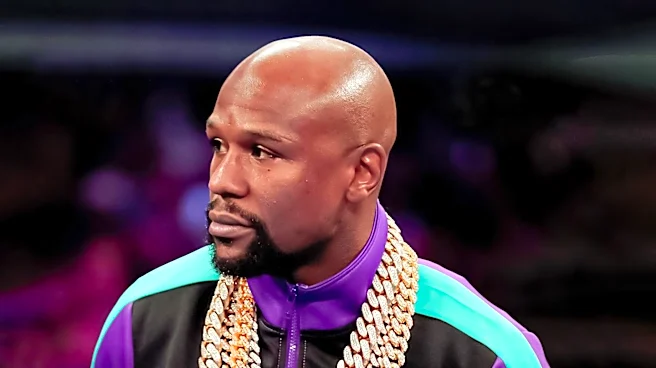
Floyd Mayweather, the undefeated five-division world champion who retired with a 50-0 record in 2017, recently stated on the PBD Podcast that he never came close to losing a professional bout. This assertion comes despite common perceptions and specific
instances in his career where he faced significant challenges. For example, in 2010, Shane Mosley buckled Mayweather's knees with a right hand in the second round, though Mayweather ultimately won by unanimous decision. His first fight against Marcos Maidana in 2014 was a closely contested battle that Mayweather won by majority decision. Additionally, his 2002 fight against Jose Luis Castillo, where Mayweather was campaigning at 135lbs, was also considered by many to be a fortunate unanimous decision win for him. Despite these moments of perceived jeopardy and close calls, Mayweather insists that he always maintained control and was never truly on the verge of defeat, attributing any need to 'pick it up' to his corner's advice rather than being in serious trouble.
Why It's Important?
Mayweather's statement is significant as it reinforces his self-proclaimed status as one of boxing's all-time greats and highlights his unwavering confidence. His undefeated record is a cornerstone of his legacy, and his refusal to acknowledge any near-losses solidifies the narrative of his dominance. This perspective is crucial for understanding how elite athletes often frame their careers and challenges, emphasizing mental fortitude and self-belief as key components of their success. For boxing fans and analysts, it reignites debates about the true competitiveness of some of his fights and how 'close' a fight needs to be to constitute a near-loss. It also underscores the subjective nature of evaluating athletic performance, where the athlete's internal experience can differ significantly from external observation. This stance contributes to the mystique surrounding Mayweather's career and his place in boxing history, influencing how future generations of fighters and fans perceive his achievements.
What's Next?
While Mayweather is retired from professional boxing, his comments will likely continue to fuel discussions among boxing enthusiasts, pundits, and former opponents. There may be further analysis from sports commentators revisiting his past fights, particularly those against Mosley, Maidana, and Castillo, to re-evaluate the moments he described. This could lead to renewed interest in documentaries or retrospective pieces on his career, offering different perspectives on his most challenging encounters. His remarks could also inspire other athletes to reflect on their own careers and the narratives they wish to uphold. Although there are no immediate professional boxing implications, the ongoing conversation about his undefeated status and the perceived closeness of some of his fights will remain a topic of discussion in boxing circles, solidifying his legendary, albeit sometimes controversial, status.
Beyond the Headlines
Mayweather's assertion goes beyond a simple statement about his fight record; it delves into the psychological aspect of elite sports and the construction of an athlete's legacy. His unwavering belief in his invincibility, even in the face of moments that appeared challenging to observers, speaks to a profound level of self-conviction that is often characteristic of top performers. This mindset can be a powerful tool for success, allowing athletes to push through adversity and maintain focus. Ethically, it raises questions about the line between confidence and revisionist history, and how athletes manage their public image versus the objective reality of their performances. Culturally, Mayweather's 'Money' persona and his consistent self-promotion have made him a polarizing figure, and this latest statement further cements his brand as an unyielding champion. It highlights how narratives are shaped in sports, not just by statistics, but by the stories athletes tell about themselves.