



What's Happening?
A new collection of 'Grunge Soft Textures Transitions' has been released, specifically designed for vertical and social media content. This pack, optimized for a 9:16 aspect ratio, aims to provide natural, stylish, and eye-catching scene changes without
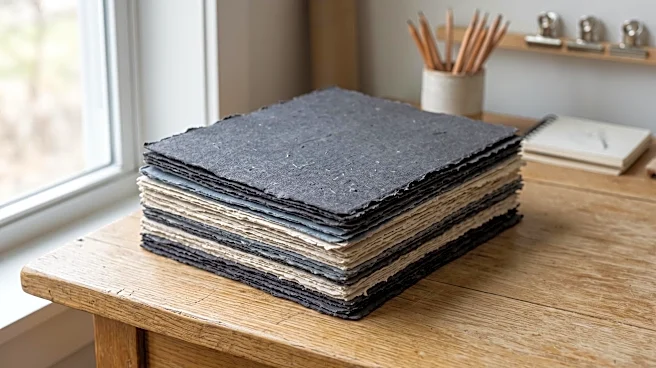
harsh effects. Each transition incorporates subtle texture movement, paper-like softness, light grain, and smooth grunge details. The creators emphasize that these elements enhance depth while maintaining visual clarity on mobile screens. The transitions are delivered in high-resolution (4K Vertical) and are designed for ease of use, requiring users to simply drag and drop them between clips and adjust opacity or blend modes like Overlay, Soft Light, or Multiply. This tool is marketed towards creators producing content for platforms such as Instagram Reels, TikTok videos, YouTube Shorts, fashion edits, lifestyle content, and promotional materials, offering a way to add texture and emotion to visuals without overpowering the main content. No plugins are required for its use, making it accessible across major editing software.
Why It's Important?
This release is significant for content creators and digital marketers who rely heavily on vertical video formats for social media engagement. The demand for high-quality, easily implementable visual effects is growing as platforms like TikTok and Instagram continue to dominate digital consumption. By offering 'soft grunge' textures, the pack caters to a specific aesthetic that can help content stand out in a crowded digital landscape. The emphasis on 'softness' and 'subtlety' suggests a move away from overly aggressive or distracting visual effects, aligning with current trends that favor more organic and less jarring transitions. This tool can potentially streamline the post-production process for many creators, allowing them to achieve a professional look without extensive technical knowledge or expensive software plugins. For businesses, this means more accessible tools to create engaging, on-brand content that resonates with younger, mobile-first audiences, potentially increasing reach and engagement on social platforms.
What's Next?
The introduction of such specialized transition packs suggests a continued trend towards niche tools tailored for specific content formats and aesthetic preferences in the digital media industry. We can anticipate more developers focusing on creating assets optimized for vertical video and social media platforms, potentially leading to a wider variety of styles and effects. Content creators will likely integrate these new tools into their workflows, influencing the visual language of social media content. The ease of use and lack of plugin requirements could also encourage a broader range of individuals and small businesses to experiment with more sophisticated visual storytelling. Furthermore, the success of this pack might prompt other developers to explore similar 'soft' or 'subtle' aesthetic trends in their offerings, moving away from more aggressive visual effects towards nuanced textural enhancements. This could lead to an evolution in how visual transitions are perceived and utilized in short-form video content.
Beyond the Headlines
The emergence of 'soft grunge' as a defined aesthetic in digital transitions reflects a broader cultural trend of reinterpreting past styles for contemporary consumption. Grunge, traditionally associated with raw, unpolished, and often rebellious imagery, is being softened and refined for a more mainstream, visually polished digital environment. This 'softening' indicates a desire for authenticity and texture without the harshness that might alienate a wider audience or clash with brand-safe content. It also highlights the ongoing influence of nostalgia in design, where elements from previous eras are recontextualized to feel fresh and relevant. Ethically, the accessibility of such tools democratizes content creation, allowing more voices to produce visually appealing narratives, but it also raises questions about originality and the potential for homogenization of visual styles if too many creators adopt similar aesthetics. Legally, the 'no plugins required' aspect simplifies usage rights and compatibility, making it an attractive option for a global user base.