




What's Happening?
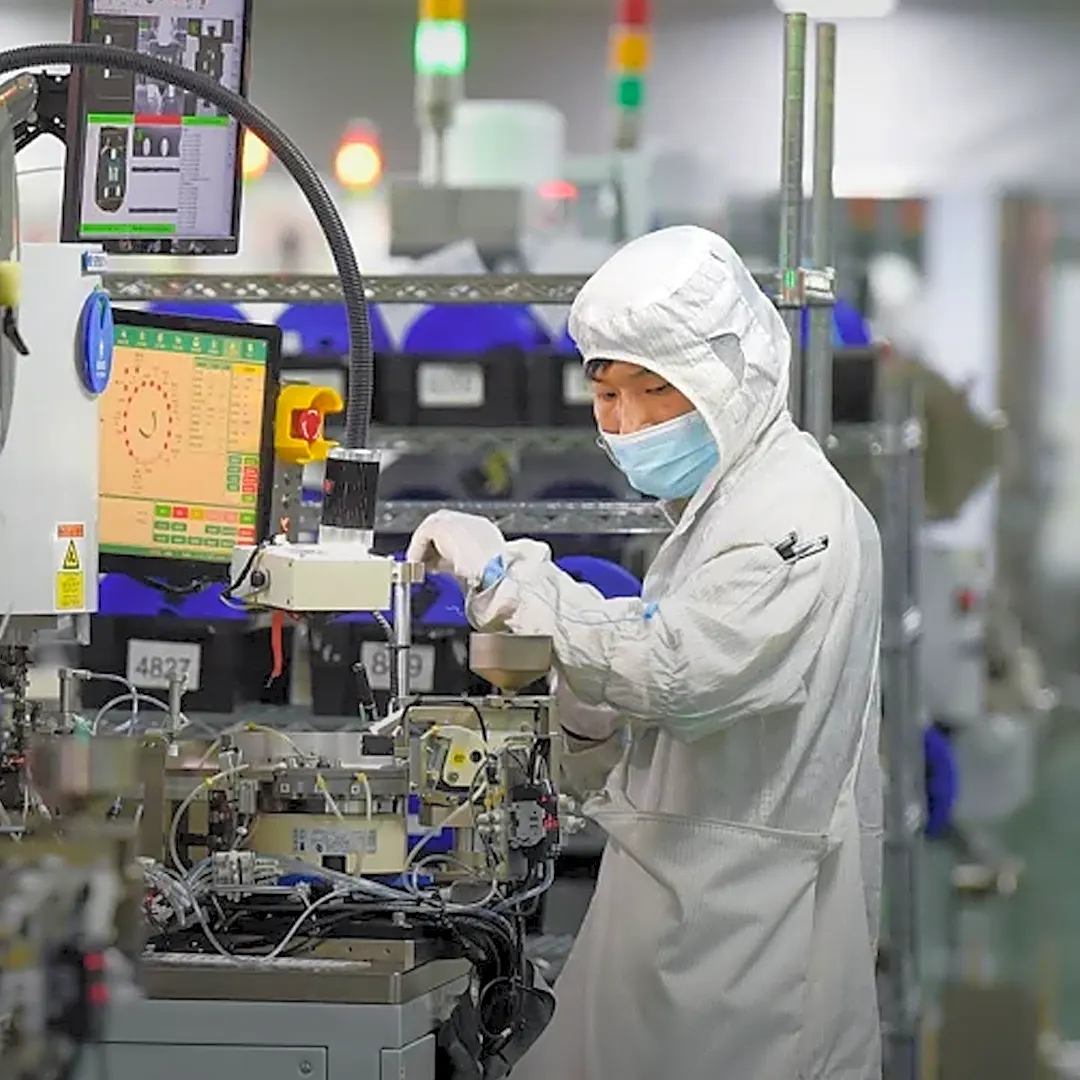
In manufacturing, machine learning (ML) is being combined with traditional Statistical Process Control (SPC) methods to improve quality control. While SPC excels at detecting known patterns against defined limits, ML is adept at identifying multivariate
patterns that single control charts might miss, such as subtle combinations of multiple parameters drifting together. This integrated approach aims to catch more real problems while maintaining the explainability required for audits and regulatory compliance. Quality engineers are evaluating systems where both SPC and ML run concurrently on live process data. The goal is not to replace SPC with ML but to augment it, addressing the blind spots of each method when used in isolation. For instance, a combination of individually in-control parameters can still signal a process problem, which ML can detect, while ML's explainability gap is addressed by providing specific parameters and patterns behind its alerts.
Why It's Important?
This integration is important for U.S. manufacturing as it offers a more robust and comprehensive approach to quality assurance. By combining the strengths of SPC and machine learning, companies can significantly reduce defects and improve product consistency. SPC provides the necessary explainable limits for regulatory compliance and auditing, ensuring that quality records are defensible. Machine learning, on the other hand, offers advanced pattern detection capabilities that can identify complex issues before they escalate, leading to cost savings from reduced waste and rework. This dual-methodology allows manufacturers to maintain high standards of quality while also innovating with advanced analytical tools. The ability to catch subtle, multivariate drifts in process parameters can prevent costly production errors and enhance overall operational efficiency, benefiting both manufacturers and consumers through higher quality products.
What's Next?
The next steps involve the continued adoption and refinement of these integrated quality systems in manufacturing. Companies will likely focus on implementing solutions that allow SPC and machine learning to operate on the same data, providing a unified view for quality teams. This includes developing dashboards that present both SPC and ML results together, eliminating the need for engineers to switch between different systems. Further development will also concentrate on enhancing the explainability of ML alerts, ensuring that every flagged event comes with clear, documented reasoning to satisfy auditors and quality engineers. Training programs for quality teams will be crucial to ensure they can effectively utilize these combined systems, understand ML-flagged patterns, and interpret confidence scores for alerts. The industry can expect to see more turnkey solutions that connect to existing process and quality data, offering rapid deployment and ongoing support.
Beyond the Headlines
Beyond the immediate improvements in quality control, the integration of machine learning with SPC in manufacturing signals a broader shift towards data-driven decision-making and intelligent automation in industrial processes. This development highlights the increasing importance of explainable AI in critical applications, where 'black box' models are insufficient due to regulatory and operational demands. Ethically, this approach emphasizes transparency and accountability, as quality engineers need to understand why an anomaly is flagged to take appropriate action. Legally, the ability to provide documented reasoning for ML-driven alerts will be vital for compliance and liability in regulated industries. Culturally, it fosters a more proactive and predictive approach to quality, moving away from reactive problem-solving. This trend could lead to long-term shifts in workforce skills, requiring a blend of traditional engineering knowledge with data science and AI expertise, ultimately transforming the landscape of industrial quality management.