



What's Happening?
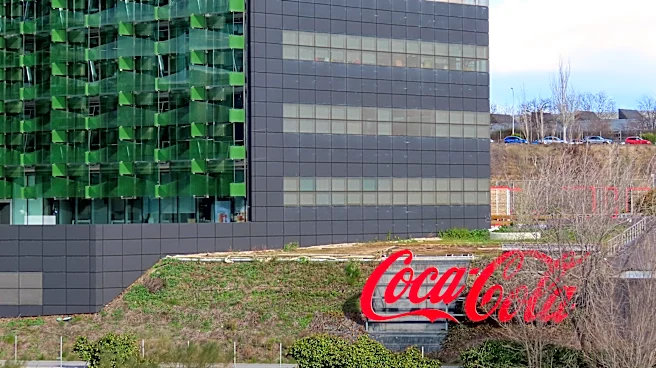
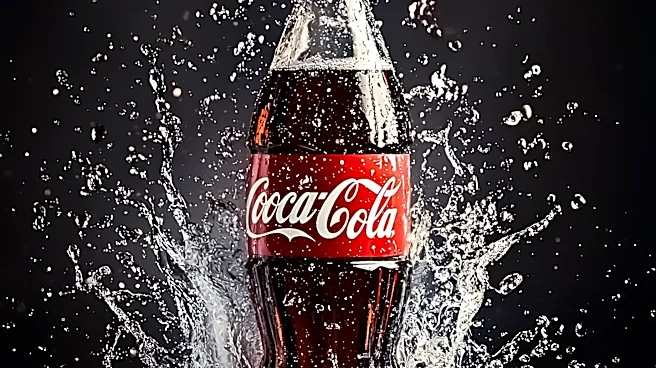
The Coca-Cola Company, a publicly traded entity on the New York Stock Exchange (KO), continues to be a leading force in the global beverage industry. With a portfolio exceeding 500 brands distributed across more than 200 countries and territories, Coca-Cola's
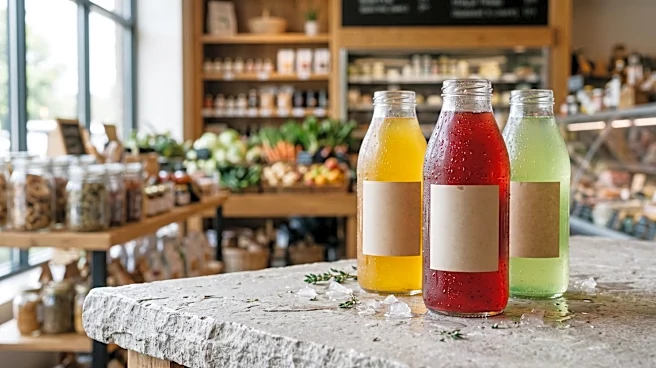
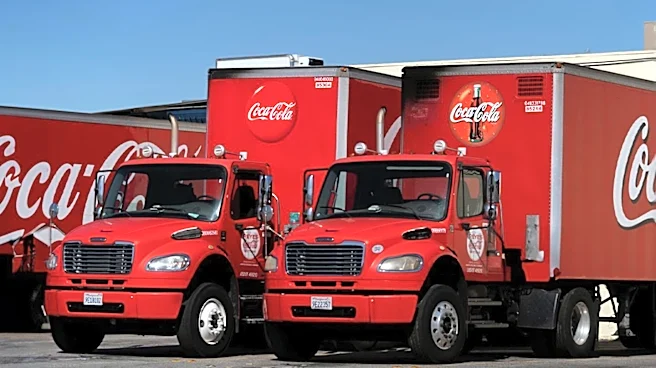
business model centers on selling concentrates and syrups to local bottlers. These bottlers then mix, package, and distribute the beverages, allowing for rapid and widespread market penetration. The company's success is attributed to its extensive worldwide distribution system, robust advertising campaigns that link its products with positive life experiences, and its ability to adapt to changing consumer preferences. Historically, Coca-Cola began in 1886 with Atlanta pharmacist John Pemberton's syrup, which was mixed with carbonated water. Over time, the company strategically expanded its reach by empowering local bottlers while focusing on brand building and recipe protection. In response to growing health concerns regarding sugary drinks, Coca-Cola has diversified its offerings to include zero-sugar sodas, bottled water, juices, teas, coffees, and sports drinks, ensuring its relevance in an evolving market.
Why It's Important?
Coca-Cola's enduring success and adaptive strategies hold significant importance for the U.S. business landscape and global consumer markets. Its lean operational model, relying on local bottlers, exemplifies an effective global supply chain strategy that minimizes direct manufacturing and distribution costs for the parent company while maximizing market reach. This model supports numerous local businesses (bottlers) across the U.S. and internationally, contributing to local economies and employment. The company's shift towards healthier beverage options, such as zero-sugar products and bottled water, reflects a broader trend in the food and beverage industry driven by increasing consumer health consciousness. This adaptation is crucial for maintaining market share and profitability in a competitive environment where public health concerns can significantly impact sales. For U.S. consumers, Coca-Cola's diverse product portfolio means a wider range of choices that cater to different dietary needs and preferences, while its pervasive advertising continues to shape cultural perceptions around beverage consumption and lifestyle.
What's Next?
The Coca-Cola Company is expected to continue its strategy of product diversification and market adaptation. Future initiatives will likely focus on further expanding its portfolio of healthier and non-carbonated beverages to align with evolving consumer demands for wellness-oriented products. The company will also likely continue to leverage its strong global distribution network to introduce these new products to a wider audience. Investment in marketing and advertising will remain a key component, aiming to reinforce the brand's association with positive experiences and integrate new product lines into this established narrative. Furthermore, Coca-Cola will need to navigate ongoing regulatory discussions and public health campaigns related to sugar consumption, potentially leading to further innovation in product formulation and ingredient sourcing. The company's financial performance, with projected annual revenue of $47.94 billion USD as of 2025, suggests a continued focus on growth and profitability through these strategic adjustments.
Beyond the Headlines
Beyond its immediate business operations, Coca-Cola's pervasive presence and marketing strategies have deeper cultural and societal implications. The company's historical success in associating its products with happiness, friendship, and celebrations has ingrained Coca-Cola into the fabric of global culture, often symbolizing American consumerism. This cultural integration means that changes in Coca-Cola's product offerings or marketing can reflect broader shifts in societal values and health priorities. The ethical dimension of promoting sugary drinks, particularly in regions with rising obesity rates, has prompted the company to re-evaluate its product mix and marketing messages. This ongoing evolution highlights the tension between commercial interests and public health responsibilities, setting a precedent for other large food and beverage corporations. The company's ability to adapt to these pressures while maintaining its brand identity will be a significant case study in corporate social responsibility and sustainable business practices in the 21st century.