



What's Happening?
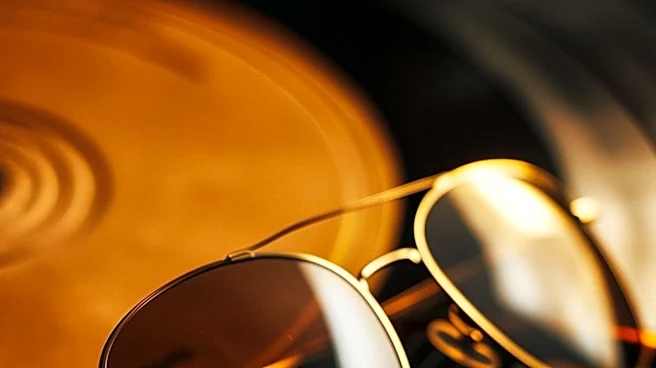
Warner Music Group (WMG) has filed a lawsuit against EssilorLuxottica, the parent company of Ray-Ban, Oakley, and Sunglasses Hut. WMG alleges that EssilorLuxottica has used 427 of its copyrighted musical works in social media advertisements without obtaining
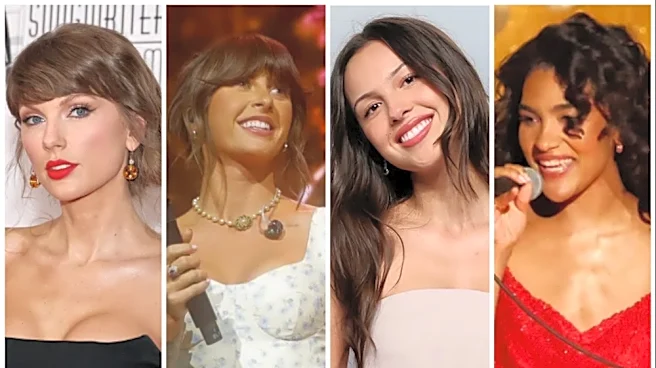
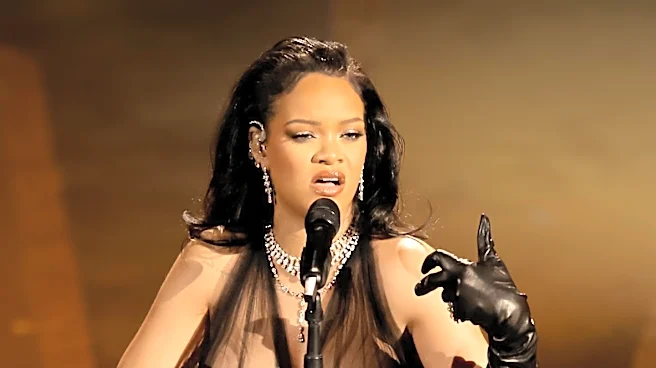
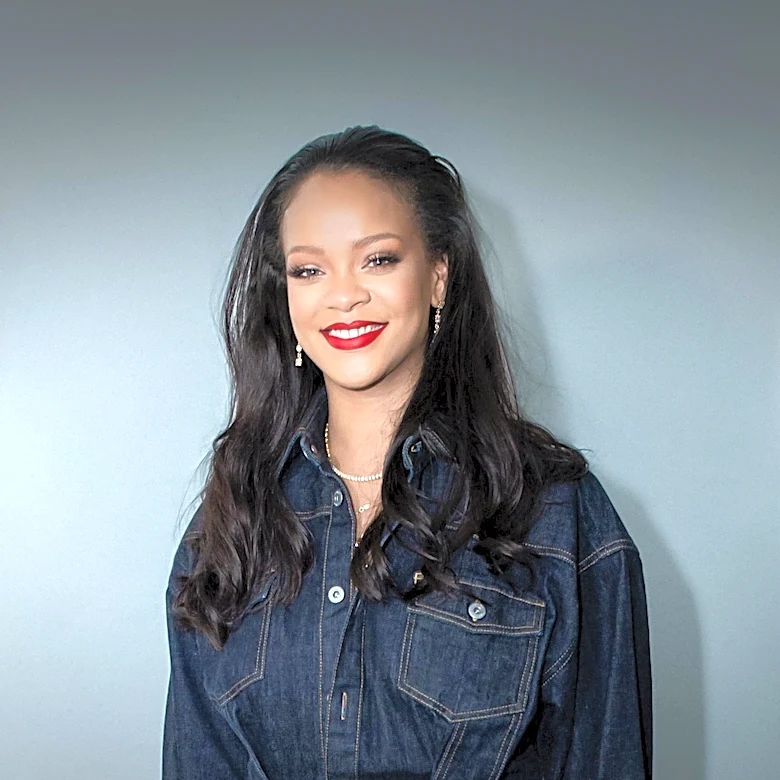
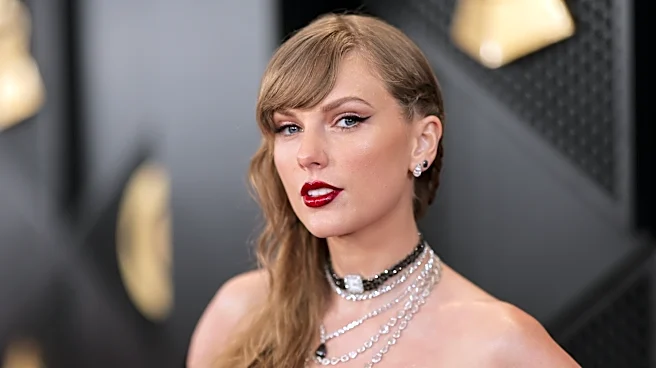
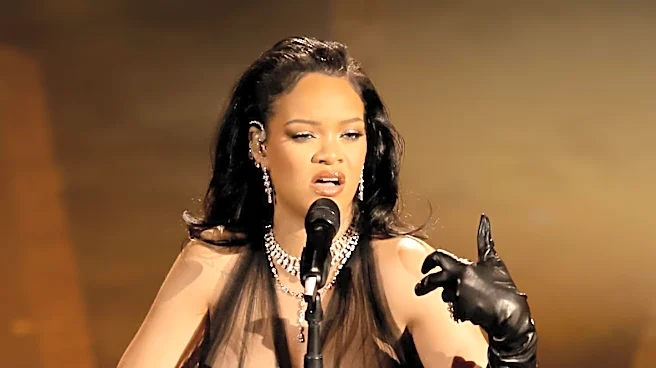
proper licenses or providing compensation. The complaint, obtained by Billboard, states that these unlicensed uses have occurred across various platforms including Facebook, Instagram, TikTok, and YouTube, reaching over 36 million followers. The advertisements reportedly featured recordings by WMG artists such as Charli XCX and Dua Lipa, as well as compositions from Drake, Rihanna, Taylor Swift, and Travis Scott. WMG claims these ads have been highly successful in driving sunglasses sales, generating billions of dollars for the eyewear conglomerate. The music company is seeking maximum statutory damages of $150,000 per infringed work, totaling approximately $64 million.
Why It's Important?
This lawsuit highlights a significant ongoing issue within the music and advertising industries regarding copyright and intellectual property rights in the digital age. The music industry, through companies like WMG, is actively pursuing legal action against brands that use unlicensed music in their commercial social media content. While platforms often have blanket licenses for individual users, commercial entities are typically required to secure 'sync licenses' for music used in advertisements. EssilorLuxottica's alleged actions, if proven, demonstrate a potential disregard for these licensing requirements, impacting the revenue streams of artists, songwriters, and record labels. A successful outcome for WMG could set a precedent, reinforcing the need for brands to properly license music for their marketing campaigns and potentially leading to increased scrutiny and enforcement across the advertising landscape. This case underscores the financial implications of intellectual property theft and the efforts by content creators to protect their work in an evolving media environment.
What's Next?
The lawsuit will proceed through the legal system, with EssilorLuxottica expected to respond to WMG's allegations. The case could result in a court ruling, a settlement between the parties, or potentially a refiling of claims if there are procedural dismissals. Regardless of the immediate outcome, this legal action is part of a broader trend of music companies cracking down on the unauthorized use of their intellectual property by brands on social media. This trend suggests that other brands currently using unlicensed music in their advertisements may face similar legal challenges. The resolution of this case could influence how brands approach their social media marketing strategies, potentially leading to a more rigorous adherence to music licensing protocols and an increase in demand for sync licenses. It may also prompt social media platforms to further clarify or enforce their policies regarding commercial music use.
Beyond the Headlines
The legal battle between Warner Music Group and EssilorLuxottica delves into the complex ethical and economic considerations surrounding content creation and commercial exploitation in the digital sphere. Beyond the immediate financial damages, the lawsuit addresses the fundamental right of artists and songwriters to control how their art is used and to be compensated for its commercial value. The 'wildly successful' nature of the alleged infringing ads, as stated by WMG, underscores how easily brands can leverage popular culture, including music, to drive sales without acknowledging or remunerating the original creators. This case reflects a larger power dynamic between large corporations and content owners, emphasizing the ongoing struggle to establish fair compensation models in an era where digital content can be widely disseminated and monetized. It also raises questions about the responsibility of social media platforms in facilitating or preventing such unauthorized uses by commercial accounts.