





What's Happening?
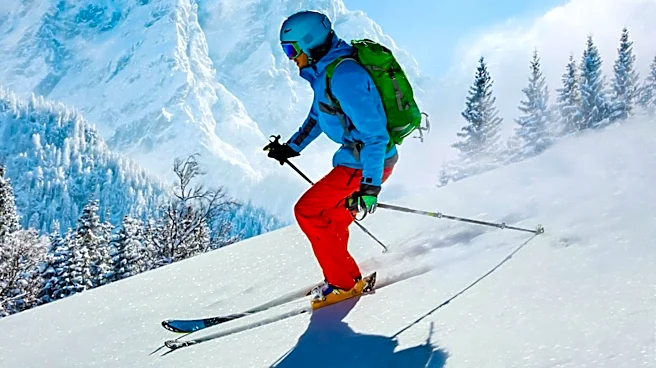
Skiers are being encouraged to adopt specialized training methods, particularly focusing on eccentric strength and perturbation training, to better prepare for the ski season. Traditional gym workouts often neglect the 'resisting phase' of a lift, which
is crucial for absorbing force during skiing, such as when encountering moguls or holding a hard carve. Specialized equipment, like the OxeFit machine, can adjust the balance between pushing/pulling and resisting phases, more accurately mimicking the stresses on legs during skiing. This equipment also facilitates perturbation training, introducing small impulses that force the body to balance under load, a condition more akin to real snow conditions than flat gym floors. This approach aims to improve stability, control, and reduce fatigue, allowing skiers to maintain performance longer on the slopes. For instance, a 70-year-old skier, Kathy, significantly improved her skiing endurance and reduced post-skiing exhaustion after undergoing a ski-training program that incorporated these methods.
Why It's Important?
This shift in ski fitness methodology is important for the U.S. winter sports industry and the health of recreational skiers. By focusing on eccentric strength and perturbation training, skiers can enhance their stability and control, potentially leading to fewer injuries and a more enjoyable experience on the slopes. This could extend the active years for older skiers, like Kathy, who wish to continue participating in the sport. For ski resorts and related businesses, a healthier, more capable skiing population could translate to increased participation and longer seasons for individual skiers. The adoption of specialized equipment like the OxeFit machine also highlights an evolving market for fitness technology tailored to specific athletic demands, creating new opportunities for manufacturers and training facilities. Furthermore, by addressing common issues like leg burn and fading stability, this training approach could improve overall skier satisfaction and retention in the sport.
What's Next?
Skiers interested in these specialized training programs can typically book complimentary sessions with trainers to assess their current range-of-motion, balance, and strength. These assessments will then inform the creation of a personalized training plan, which often includes a mobility component to enhance joint and muscle pliability, crucial for injury prevention. The integration of advanced machines, such as the Vasper, developed by NASA, is also being utilized to improve lactate threshold and delay muscle fatigue, condensing what would typically be hours of training into shorter, more efficient sessions. This trend suggests a continued move towards data-driven and technologically enhanced fitness regimens for athletes and enthusiasts alike, with a focus on optimizing performance and longevity in sports like skiing.
Beyond the Headlines
The emphasis on eccentric strength and perturbation training for skiing points to a broader understanding of biomechanics and athletic performance. It underscores the idea that generic fitness routines may not adequately prepare individuals for the specific demands of complex sports. This specialized approach could influence training methodologies across various sports, prompting a re-evaluation of how athletes prepare for their respective disciplines. Ethically, it raises questions about accessibility, as specialized equipment and personalized programs may be more costly, potentially creating a divide in athletic preparation. Culturally, it reflects a growing desire among individuals to maintain active lifestyles well into older age, driving innovation in fitness and rehabilitation. The integration of technology, like the OxeFit and Vasper machines, also highlights the increasing role of scientific research and advanced engineering in optimizing human physical capabilities, moving beyond traditional training paradigms.