








What's Happening?
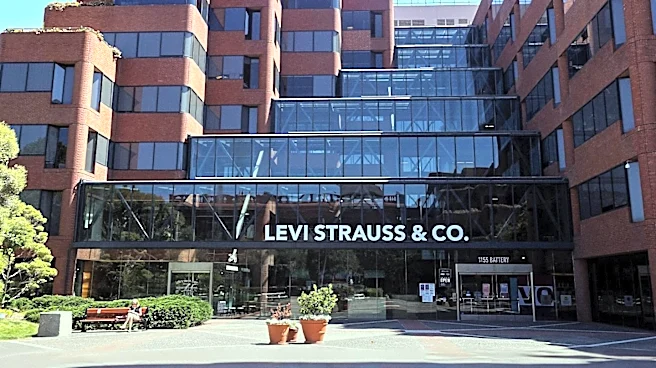
Levi Strauss & Co. is facing a class action lawsuit filed on October 20, 2026, in the U.S. District Court for the Northern District of California. The lawsuit, initiated by Deborah Brucker, alleges that the company raised prices on its products throughout
2025 to offset tariffs. After the Supreme Court struck down these tariffs in February 2026, Levi Strauss & Co. reportedly received a refund of approximately $79 million from the government. The core of the complaint is that the company retained these tariff refunds instead of returning the money to customers who had paid the increased prices. CEO Michelle Gass had previously stated that the company could only absorb a limited portion of the tariff costs, and management reported in April 2026 that the higher prices had not negatively impacted demand. The lawsuit claims that the company never informed shoppers about the price increases or their rationale and has maintained these elevated prices even after the tariffs were rescinded.
Why It's Important?
This lawsuit is significant as it highlights potential issues of corporate accountability and consumer rights in the context of trade policies. If the allegations are proven true, it could set a precedent for how companies manage price adjustments related to tariffs and subsequent refunds. For consumers, the case underscores the importance of transparency in pricing, especially when external factors like tariffs influence costs. A successful class action could result in substantial financial implications for Levi Strauss & Co., potentially requiring them to repay millions to affected customers. Beyond the immediate financial impact, the case could damage the company's brand reputation and consumer trust, particularly if customers feel they were unfairly charged and then denied a refund. This situation also brings to light the broader economic impact of tariffs on both businesses and consumers, demonstrating how companies might pass on costs and the subsequent complexities when those tariffs are reversed.
What's Next?
The class action lawsuit, titled 'Brucker v. Levi Strauss & Co.' (Case number 3:26-cv-12214), will proceed in the U.S. District Court for the Northern District of California. The plaintiff is seeking repayment of the tariff portion of class members' purchases, along with compensation and additional damages. The lawsuit also requests that the court set aside the tariff refunds for consumers while the case is ongoing. The proposed class includes individuals in the United States who purchased a Levi's product for personal use between February 4, 2025, and February 24, 2026, if the product's price was raised during that period. A subclass for California buyers is also included. There is currently no settlement, claims process, or money available to consumers. The legal proceedings will likely involve discovery, motions, and potentially a trial or settlement negotiations, which could take a considerable amount of time to resolve.
Beyond the Headlines
This case delves into the ethical considerations of corporate pricing strategies and the responsibility companies have to their customers when external economic conditions change. The lawsuit's claims of 'unjust enrichment,' 'money had and received,' and 'fraudulent misrepresentation' suggest a deeper legal and ethical debate about whether companies should profit from temporary tariff-induced price increases, especially when those tariffs are later invalidated and refunds are issued. The outcome could influence future corporate behavior regarding pricing transparency and the handling of government refunds related to trade policies. It also raises questions about the effectiveness of consumer protection laws in ensuring that benefits from policy changes, such as tariff reversals, are passed on to the end-users who bore the initial cost. The case could prompt greater scrutiny from consumer advocacy groups and regulators into how businesses adjust prices in response to fluctuating trade policies.