




What's Happening?
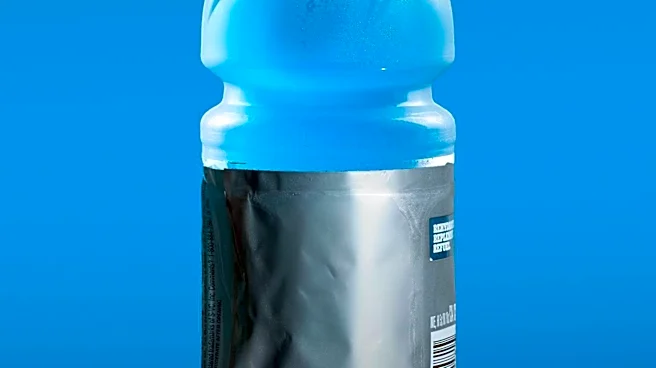
Prebiotic soft drinks, marketed as a healthier alternative to traditional sugary sodas, are gaining popularity for their potential gut health benefits. These drinks contain prebiotic fibers like inulin and chicory-root fiber, which are intended to nourish
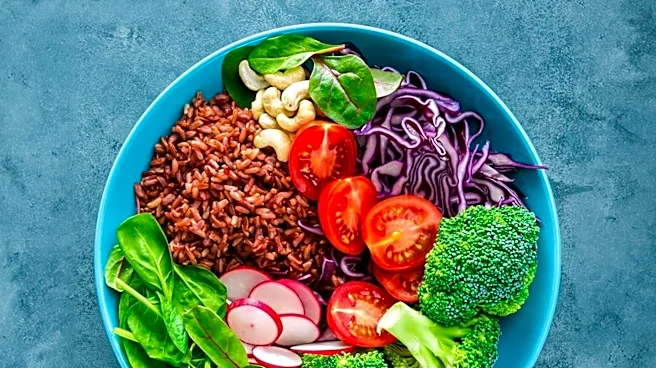
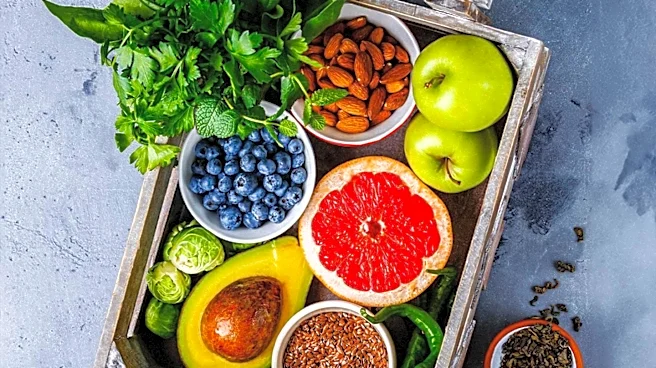
beneficial gut bacteria. However, recent research presented at a nutrition conference highlights that these drinks often contain equal amounts of sugar and fiber, approximately 5 grams each per can. While this is significantly less sugar than conventional sodas, the fiber content may not be sufficient to have a substantial impact on gut health. Experts like Dr. Emily Leeming and Natasha Draycott emphasize that while these drinks can contribute to daily fiber intake, they should not replace whole foods rich in diverse fibers. Additionally, individuals with IBS or those sensitive to high-FODMAP ingredients may experience bloating or discomfort from these drinks.
Why It's Important?
The rise of prebiotic soft drinks reflects a growing consumer interest in gut health and functional foods. These drinks offer a lower-sugar alternative to traditional sodas, potentially appealing to health-conscious consumers. However, the limited fiber content and potential for digestive discomfort highlight the importance of a balanced diet centered around whole foods. The trend also underscores the need for consumers to critically evaluate health claims and consider the overall nutritional profile of such products. As the market for functional beverages expands, understanding their benefits and limitations is crucial for making informed dietary choices.
What's Next?
As consumer interest in gut health continues to grow, the market for prebiotic beverages is likely to expand. Manufacturers may innovate to increase the fiber content and diversify the types of fibers used in these drinks. Regulatory bodies and health organizations might also develop guidelines to help consumers navigate the health claims associated with functional beverages. Additionally, further research could provide more insights into the long-term health impacts of prebiotic drinks, potentially influencing consumer behavior and industry practices.
Beyond the Headlines
The popularity of prebiotic drinks highlights a broader cultural shift towards wellness and preventive health. This trend raises questions about the role of marketing in shaping consumer perceptions of health products. The emphasis on prebiotics also reflects a growing understanding of the gut microbiome's role in overall health, potentially influencing future dietary guidelines and public health initiatives. As consumers become more health-savvy, the demand for transparency and evidence-based claims in the food and beverage industry is likely to increase.