






What's Happening?
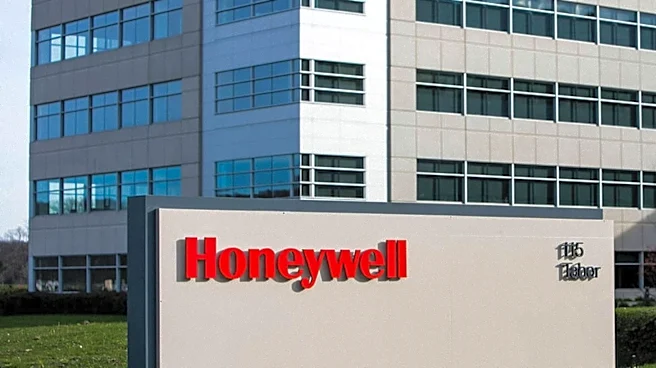
Honeywell Aerospace Inc. is facing a securities class action lawsuit alleging that the company made materially false or misleading statements regarding its supply chain resiliency, its ability to convert demand into factory output, and its government
contracting compliance. The lawsuit covers shareholders who purchased securities between June 29, 2026, and September 1, 2026. According to the complaint, a single constrained supplier was approximately $15 million to $16 million past due on a component, which allegedly held back 'hundreds of millions of dollars of revenue output.' This issue was disclosed during the August 5, 2026, earnings call. The company reported a net income of $256 million in the second quarter of 2026, a 70% year-over-year decrease, significantly below consensus expectations of around $684 million. Following these disclosures, Honeywell Aerospace's stock price fell by approximately $47.17 per share, or 23.16%, to $156.47 on August 6, 2026, and further declined by $3.87 per share to $154.24 on September 1, 2026. The company also reduced its full-year adjusted EBIT growth guidance from 7%-10% to flat-to-3% and organic sales growth guidance from 7%-9% to 4%-5%.
Why It's Important?
This lawsuit is significant for Honeywell Aerospace as it challenges the transparency and accuracy of its operational disclosures to investors. Allegations of misrepresenting supply chain capabilities and factory output can severely impact investor confidence and the company's market valuation. For the broader aerospace and defense industry, this case highlights the critical importance of robust supply chain management and accurate reporting, especially given the complex and interconnected nature of manufacturing in this sector. A single component shortage, as alleged, can indeed halt significant production and revenue generation, underscoring vulnerabilities that other companies might also face. The outcome of this lawsuit could set precedents for how companies communicate supply chain risks and production capacities to the public, potentially leading to increased scrutiny from regulators and investors on similar disclosures across the industry. Shareholders who purchased during the specified period stand to potentially recover losses if the allegations are proven true, while the company faces financial penalties and reputational damage.
What's Next?
Investors who purchased Honeywell Aerospace securities between June 29, 2026, and September 1, 2026, have until November 23, 2026, to file motions for lead plaintiff. The lawsuit was filed in the United States District Court for the District of Arizona and will proceed under the Private Securities Litigation Reform Act of 1995. The legal process typically involves discovery, motions, and potentially a settlement or trial, which can take two to four years. Honeywell Aerospace will likely need to defend its past statements and operational practices regarding its supply chain and production capabilities. The company's management will be under pressure to demonstrate improved transparency and supply chain resilience in future earnings calls and investor communications. The aerospace industry may also observe the proceedings closely, as the case could influence best practices for disclosing supply chain dependencies and production bottlenecks.
Beyond the Headlines
The lawsuit against Honeywell Aerospace delves into the deeper implications of supply chain fragility in complex manufacturing industries. It highlights how a seemingly minor issue—a $15 million to $16 million past-due component—can cascade into 'hundreds of millions of dollars' in lost revenue, exposing the intricate dependencies within global supply chains. This situation underscores the ethical obligation of corporations to provide accurate and timely information to investors, especially concerning critical operational vulnerabilities that can directly impact financial performance. Beyond the immediate financial repercussions, the case could prompt a broader re-evaluation of supply chain risk management strategies across the aerospace and defense sectors, encouraging companies to diversify suppliers or build greater inventory buffers. It also raises questions about the effectiveness of internal controls and due diligence processes in identifying and mitigating such concentrated dependencies before they become public issues, potentially leading to enhanced corporate governance standards related to supply chain oversight.