






What's Happening?
Michael Burry, the investor known for his bearish market predictions, has announced the closure of his short positions against the Nasdaq technological index. This move signifies a shift in his portfolio, which now consists "temporarily almost entirely
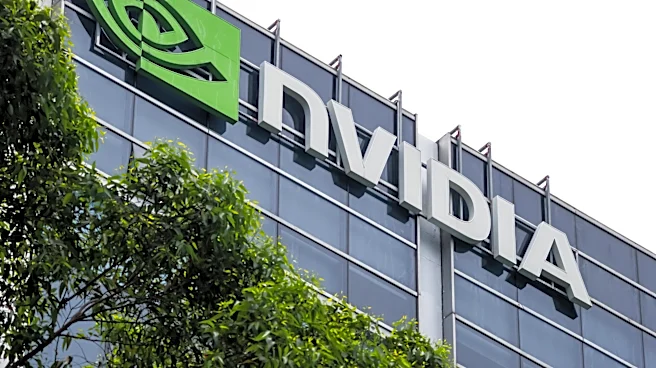
in long positions" with a 25% cash allocation. Burry, who gained prominence for his bet against the U.S. housing market before 2008, has also indicated that he is not ruling out opening new short positions against Nvidia. He plans to bet against Nvidia again if its stock price approaches $200 per share during a period of market optimism. His current portfolio shows a tilt towards international markets, with significant holdings in companies like MercadoLibre, JD.com, and Tencent. Burry's decision to liquidate his put options on the Nasdaq 100 and convert most of his portfolio to buy positions comes after the technology index traded 20% below its October high, reaching the threshold of a technical bear market.
Why It's Important?
Burry's shift in investment strategy is significant for U.S. market observers, particularly given his track record of identifying market inefficiencies. His decision to close bearish bets on the Nasdaq suggests a potential, albeit temporary, change in his outlook on the broader U.S. technology sector. The move to increase long positions and hold a substantial cash reserve indicates a cautious but opportunistic approach, possibly signaling that he perceives current market conditions as less conducive to broad short-selling, or that he is awaiting more favorable entry points for new bearish plays. His continued interest in shorting Nvidia, despite closing other bearish positions, highlights a specific concern about the valuation of certain artificial intelligence-related stocks. This could influence investor sentiment and trading strategies, especially among those who follow Burry's market insights. The allocation of a significant portion of his portfolio to international stocks also suggests a belief that U.S. equities may still be overvalued compared to global alternatives.
What's Next?
Investors will likely monitor Nvidia's stock performance closely, particularly if it approaches the $200 per share mark, as Burry has indicated this would be his trigger for re-establishing a short position. His current strategy of holding a 25% cash weight suggests he is poised to capitalize on future market movements, whether through new long positions or by re-entering short trades on specific companies. The focus on international stocks like JD.com, MercadoLibre, and Tencent indicates a continued diversification away from what he perceives as expensive U.S. equities. This could lead to increased scrutiny of these international markets by other investors. Burry's commentary on the high costs of shorting due to increased market volatility also suggests that he will be selective in his future bearish bets, focusing on specific opportunities rather than broad market downturns. His actions could influence other investors to re-evaluate their own portfolios and consider similar shifts towards international markets or increased cash holdings.
Beyond the Headlines
Burry's investment decisions often reflect a deeper analysis of market fundamentals and potential bubbles, as famously depicted in 'The Big Short.' His current stance, while seemingly less bearish on the overall Nasdaq, underscores a persistent skepticism about certain segments of the market, particularly those he believes are overvalued, such as some AI-related stocks. The ethical dimension of his approach lies in his willingness to bet against popular market trends, often anticipating significant corrections. Legally, his trading activities are within regulatory frameworks, but his public pronouncements can influence market dynamics. Culturally, Burry represents a contrarian voice in finance, challenging conventional wisdom and prompting critical examination of market exuberance. His shift towards international markets also highlights a broader trend of investors seeking value outside the U.S., potentially signaling a long-term rebalancing of global capital flows and a re-evaluation of growth opportunities in emerging markets.