






What's Happening?
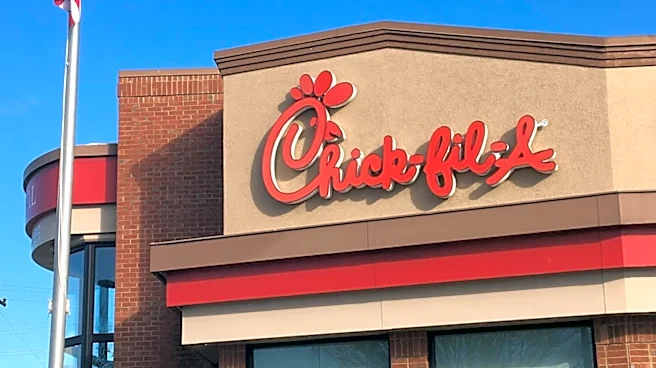
Rapid City's first Chick-fil-A restaurant officially opened on Thursday, November 19, at 1902 N. Lacrosse St., following a ribbon-cutting ceremony held the previous day. The event featured performances by the Central High School choir, drumline, and ROTC.
Restaurant owner Jenn Potts expressed her hope that customers would feel welcome at the new location. Previously, the closest Chick-fil-A was located in Cheyenne, Wyoming. During the ceremony, Chick-fil-A announced a $25,000 donation to Feeding South Dakota. This donation is part of the company's broader community initiatives, which include the Chick-fil-A Shared Table program. This program redirects surplus food to local shelters, kitchens, food banks, and nonprofits, having already provided over 50 million meals, and the new Rapid City location will participate in this effort.
Why It's Important?
The opening of Rapid City's first Chick-fil-A signifies more than just a new dining option; it represents economic growth and increased commercial activity for the community, as highlighted by Rapid City Mayor Jason Salamun. The arrival of a nationally recognized brand often indicates a growing market and can attract further business investment, creating jobs and boosting local tax revenues. The restaurant's commitment to community engagement, through a significant donation to Feeding South Dakota and participation in the Shared Table program, demonstrates a corporate social responsibility model that can positively impact local welfare. This initiative helps address food insecurity by efficiently utilizing surplus food, providing tangible benefits to vulnerable populations within Rapid City and the surrounding areas.
What's Next?
The new Chick-fil-A location is expected to become a regular fixture in Rapid City's dining landscape, potentially influencing local consumer habits and competition within the fast-food sector. Its participation in the Shared Table program will continue to provide ongoing support to local food banks and shelters, contributing to community welfare beyond its initial donation. The success of this new establishment could also encourage other national brands to consider Rapid City for expansion, further stimulating local economic development. The community will likely see continued engagement from the restaurant through various local partnerships and initiatives, reinforcing its role as a community-oriented business.
Beyond the Headlines
The arrival of a major chain like Chick-fil-A often sparks discussions about local business ecosystems and the balance between supporting local enterprises and welcoming national brands. While it brings jobs and convenience, it can also pose challenges for smaller, independent restaurants. However, the emphasis on community involvement, particularly through food donation programs, sets a precedent for corporate citizenship that could inspire other businesses in the area. This model of integrating social responsibility into business operations can foster a more interconnected community, where commercial success is linked with addressing local needs, potentially leading to a broader trend of socially conscious business practices in Rapid City.