





What's Happening?
Stylevana's blog post showcases a new generation of clinical-grade beauty technology designed for at-home use, aiming to bridge the gap between topical skincare and professional in-office treatments. Among the featured devices is the mommy care Galvanic
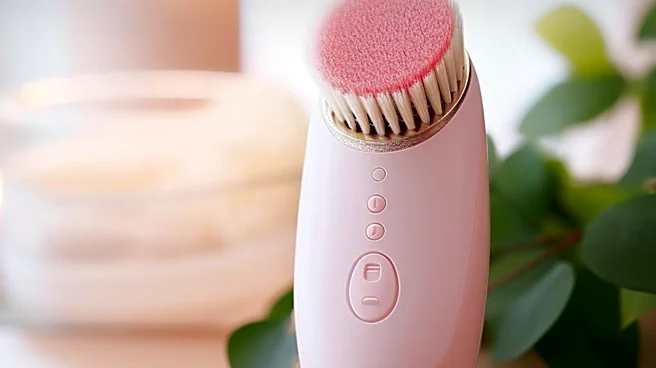
RF Massager, which combines traditional contouring with four clinical modalities: thermal radio frequency (RF), sonic micro-vibrations, galvanic ion infusion, and red and blue LED therapy. This device is designed to depuff, sculpt, and melt away facial tension, while also stimulating blood circulation and enhancing serum absorption. Another highlighted product is the THOME Twenty Up, which utilizes local dynamic micro-massage (LDM) and ultrasonic vibrations to improve serum absorption, stimulate cellular turnover, and tone the complexion. These devices offer solutions for concerns such as lack of firmness, enlarged pores, and dullness, providing spa-level treatments in a home-friendly format.
Why It's Important?
The rise of advanced beauty tech for home use, as highlighted by Stylevana, signifies a significant shift in the U.S. beauty industry. Consumers are increasingly seeking effective, convenient, and cost-efficient alternatives to professional clinic visits. This trend empowers individuals to take control of their skincare routines, potentially leading to a decrease in demand for certain in-office treatments. For manufacturers, it opens up a lucrative market for innovative devices that integrate multiple clinical modalities. The emphasis on technologies like RF, LED therapy, and micro-vibrations indicates a growing consumer sophistication and a desire for scientifically-backed solutions. This also impacts the retail landscape, with e-commerce platforms becoming crucial channels for distributing these specialized, high-value beauty tools.
What's Next?
The continued development and adoption of at-home beauty technology are expected to accelerate. We may see further integration of artificial intelligence and personalized treatment plans within these devices, allowing for even more tailored skincare solutions. As technology advances, devices could become more compact, user-friendly, and capable of addressing a wider range of skin concerns. The competitive landscape will likely intensify, with more brands entering the market and pushing the boundaries of what's possible in at-home skincare. Regulatory bodies might also begin to scrutinize these devices more closely to ensure safety and efficacy, potentially leading to new standards and certifications. Consumer education will be key, as individuals navigate a complex market of advanced beauty tools.
Beyond the Headlines
The proliferation of advanced at-home beauty devices reflects a broader cultural trend towards self-optimization and the pursuit of perpetual youth and wellness. This phenomenon extends beyond mere aesthetics, touching upon psychological aspects of self-care and control over one's appearance. The ability to perform clinical-grade treatments at home democratizes access to advanced skincare, but also raises questions about the potential for misuse or unrealistic expectations. Furthermore, the environmental impact of manufacturing and disposing of these electronic devices, as well as the packaging of associated serums and consumables, could become a more prominent concern. The blend of traditional practices with cutting-edge technology also highlights an ongoing dialogue between ancient wisdom and modern scientific innovation in the beauty sector.