







What's Happening?
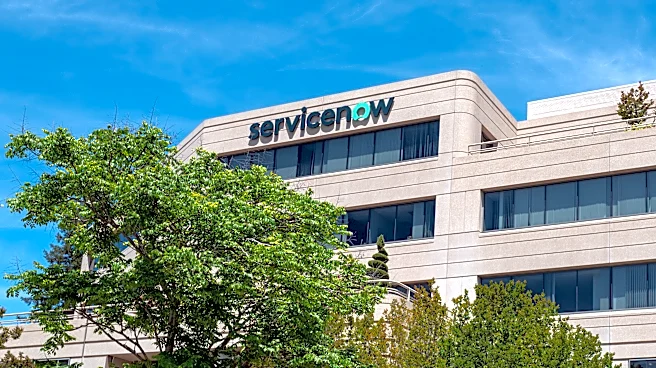
ServiceNow, a global leader in AI-enhanced technology, is guiding enterprises on best practices for implementing its platform to achieve successful digital transformation. The company stresses that successful implementation begins with defining clear
business outcomes rather than focusing solely on technology configuration. Many organizations utilize ServiceNow as a system of action across various functions, including IT service management, enterprise service management, employee experience, and operational workflows. Key challenges in implementation often include unclear ownership, inconsistent processes, poor data quality, integration complexity, over-customization, and low user adoption. To mitigate these issues, ServiceNow advocates for stronger planning, governance, testing, and change management. The company advises enterprises to prioritize use cases that are visible, measurable, and operationally important, building a foundation that can support adjacent processes over time. This strategic approach aims to prevent the digitization of existing inefficiencies and ensure the platform delivers tangible value.
Why It's Important?
The strategic implementation of platforms like ServiceNow is crucial for U.S. businesses seeking to enhance productivity, streamline operations, and improve employee experience. Poorly executed implementations can lead to significant financial losses, wasted resources, and a failure to achieve desired business outcomes. By emphasizing clear business outcomes, process standardization, and robust governance, ServiceNow's guidance helps companies maximize their return on investment in digital transformation initiatives. This approach is particularly vital in a competitive landscape where efficiency and agility are paramount. Enterprises that successfully adopt these best practices can expect benefits such as faster resolution times, reduced manual effort, higher automation rates, and improved service visibility. Conversely, organizations that neglect these principles risk perpetuating inefficiencies, encountering integration difficulties, and experiencing low user adoption, ultimately hindering their ability to leverage advanced AI-enhanced technologies for business reinvention.
What's Next?
Enterprises are expected to continue evolving their ServiceNow implementation strategies, moving beyond project-based approaches towards advisory-led modernization and continuous performance tracking. This shift will involve ongoing optimization after the initial go-live, with organizations monitoring platform performance, adoption rates, process outcomes, and technical debt to prioritize future improvements. A mature operating model will involve a recurring cycle of measuring performance, identifying friction points, prioritizing enhancements, implementing controlled changes, and assessing their impact. The objective is for ServiceNow to evolve dynamically with business needs, preventing it from becoming another legacy system to maintain. Provider selection will also remain a critical component, with enterprises evaluating service providers based on strategy, implementation capability, managed services maturity, governance, integration expertise, and evidence of outcome delivery to support both initial implementation and the long-term platform lifecycle.
Beyond the Headlines
The emphasis on strategic implementation reflects a broader trend in the technology sector where the focus is shifting from merely deploying software to ensuring its effective integration and utilization within an organization's ecosystem. This highlights the ethical and practical imperative for technology providers and their clients to collaborate closely, ensuring that advanced tools like AI-enhanced platforms genuinely serve human needs and organizational goals. The challenges of data quality, integration complexity, and user adoption underscore the human element in technological transformation; successful implementation is not just about code but about culture, training, and change management. This holistic view suggests a future where technology solutions are increasingly evaluated not just on their features, but on their ability to drive measurable, positive impacts on business processes and employee well-being, fostering a more efficient and human-centric work environment.