






What's Happening?
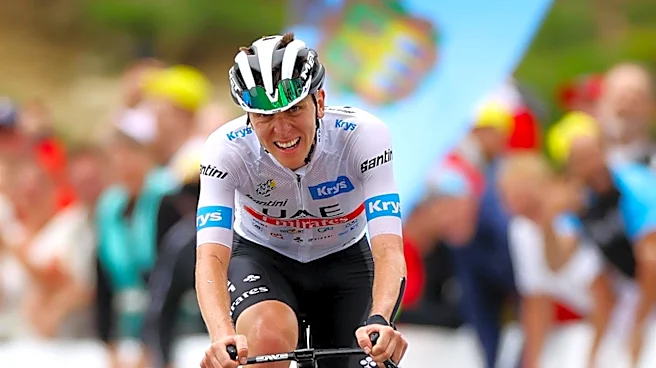
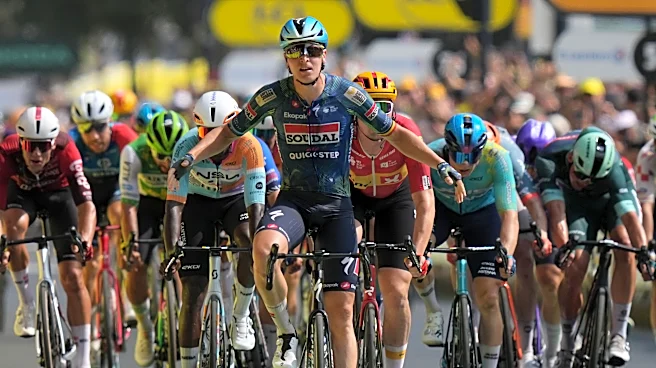
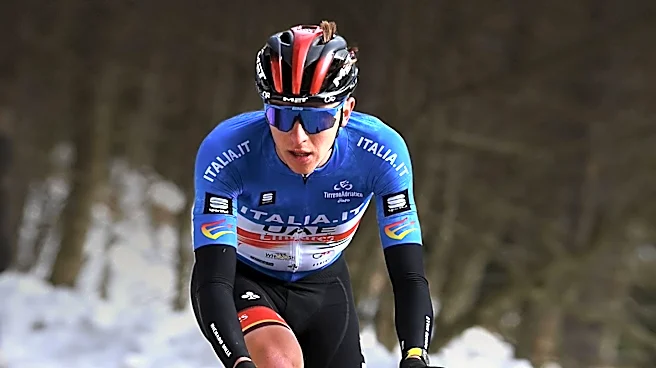
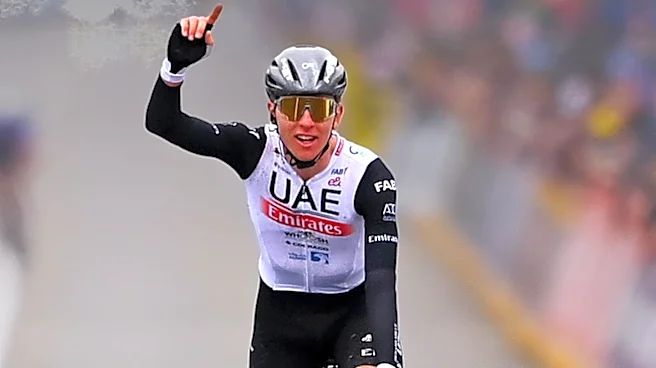
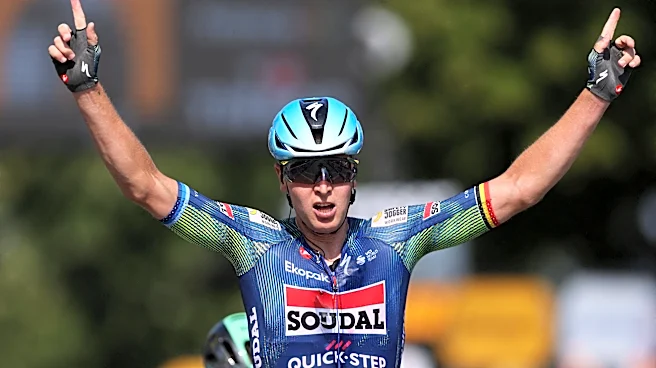
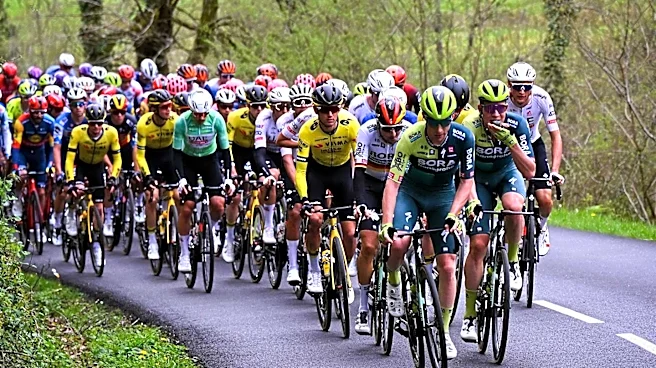
Belgian cyclist Tim Merlier secured victory in the eighth stage of the Tour de France, marking consecutive stage wins. The race took place under challenging conditions, with high temperatures affecting the riders. Defending champion Tadej Pogačar maintained
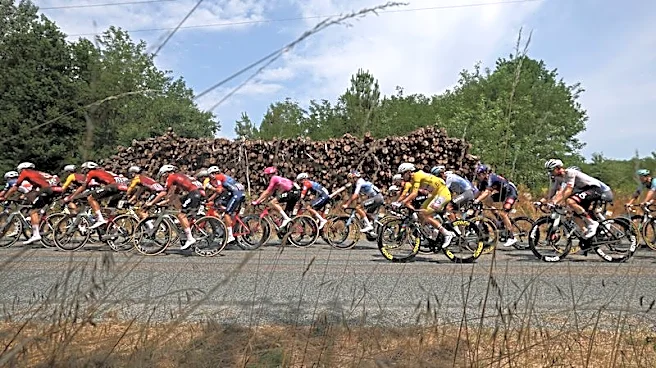
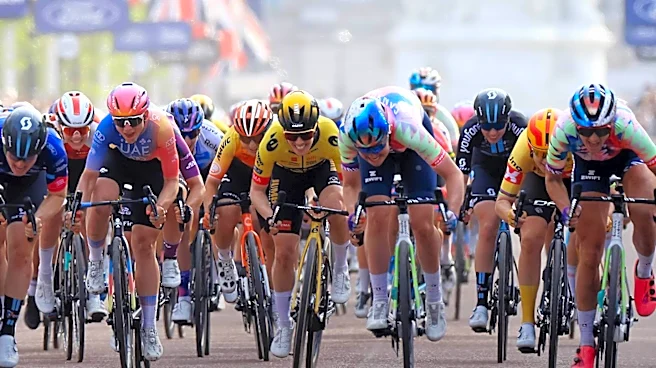
his lead in the overall standings, finishing in the main pack alongside Jonas Vingegaard. The stage covered a 180-kilometer route from Périgueux to Bergerac. Despite the heat, Pogačar emphasized the importance of hydration and cooling strategies. Merlier's win was hard-fought, as he narrowly avoided a crash during the sprint finish. The race continues with Stage 9, which has been shortened due to extreme heat warnings.
Why It's Important?
The Tour de France is a prestigious event in the cycling world, drawing international attention and showcasing top athletic talent. Merlier's victory highlights the competitive nature of the race and the strategic elements involved in stage wins. Pogačar's retention of the yellow jersey underscores his dominance and consistency as a leading cyclist. The extreme weather conditions add an additional layer of complexity, affecting race strategies and rider performance. The decision to shorten Stage 9 due to heat reflects growing concerns about athlete safety in extreme weather, a topic of increasing relevance in global sports.
What's Next?
As the Tour de France progresses, the focus will be on how riders adapt to the ongoing heatwave and the impact of shortened stages on overall race strategies. Pogačar will aim to maintain his lead, while competitors like Vingegaard will strategize to close the gap. The race's conclusion in Paris on July 26 will be a key moment, with potential shifts in standings as the competition intensifies. Organizers and teams will continue to monitor weather conditions closely, ensuring safety measures are in place for both riders and spectators.