




What's Happening?
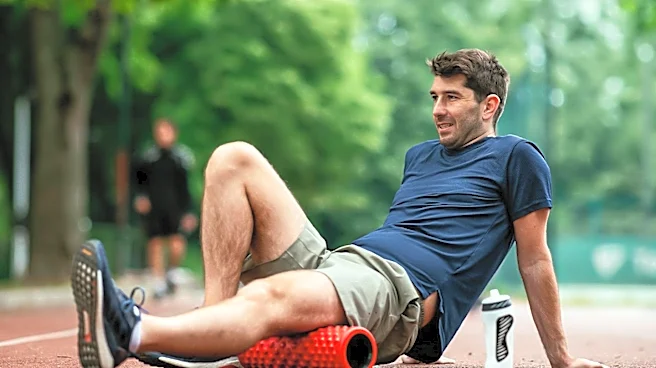
A 2020 trial involving 33 active men, published in PLoS One, indicated that textured grid foam rollers are more effective in reducing post-exercise pain compared to smooth rollers. Participants using textured rollers experienced a consistent decrease
in pain scores from 24 to 96 hours after exercise, whereas those using smooth rollers only saw a reduction between 48 and 96 hours. While the type of roller did not alter the overall recovery rate, the study highlights that texture significantly influences the timeline of soreness reduction. Another 2019 randomized trial with 36 adults, published in the Journal of Bodywork and Movement Therapies, further supported this, showing that multilevel and grid-surface rollers increased quadriceps pressure pain threshold significantly more than smooth rollers. This suggests that textured surfaces provide a more effective deep tissue massage, making them a preferred choice for runners seeking quicker relief from muscle soreness.
Why It's Important?
The findings from these studies are important for athletes, particularly runners, and the broader fitness industry in the U.S. The preference for textured foam rollers could influence consumer purchasing decisions, leading to increased demand for such products. Manufacturers of fitness equipment may adjust their production to focus more on textured designs, potentially phasing out smooth roller options. For physical therapists and trainers, this research provides evidence-based guidance for recommending foam rolling techniques and tools, optimizing recovery protocols for their clients. Individuals engaged in regular physical activity stand to benefit from more efficient pain management and improved recovery, which can enhance performance and reduce the risk of injury. The emphasis on medium-density, textured rollers as a comfortable starting point also suggests a shift towards more user-friendly and effective recovery tools.
What's Next?
The insights from these trials are likely to shape future product development in the fitness and recovery market. Companies like 321 STRONG, which already offer textured foam rollers, may see increased market validation and potentially higher sales. Further research could explore the long-term benefits of textured rollers on muscle health and injury prevention, as well as their efficacy across different demographics and activity levels. Educational initiatives for athletes and fitness enthusiasts may emphasize the benefits of textured rollers and proper foam rolling techniques. The industry might also see innovations in foam roller design, incorporating various textures and densities to cater to specific muscle groups and individual preferences, moving beyond the traditional smooth roller as the standard.
Beyond the Headlines
Beyond immediate pain relief, the consistent use of effective foam rollers, particularly textured ones, contributes to the broader understanding of self-myofascial release and its role in athletic performance and general well-being. The ability to manage muscle soreness more effectively can lead to greater consistency in training, potentially improving overall fitness levels and reducing dropout rates due to discomfort. This trend also underscores a growing consumer awareness and demand for evidence-backed recovery tools. The shift towards more specialized and effective recovery methods reflects a holistic approach to health and fitness, where recovery is seen as an integral part of the training process, rather than an afterthought. This could also lead to a greater integration of such tools into professional sports training regimens and rehabilitation programs.