



What's Happening?
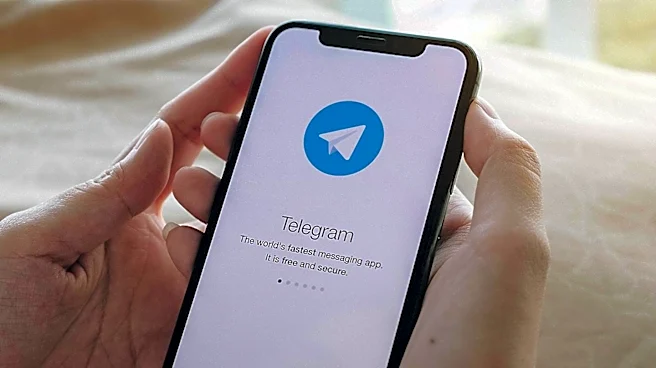
Telegram provides access to Gram Wallet, an optional non-custodial wallet that allows users to hold, send, receive, and manage Gram, the native token of The Open Network (TON), and other supported blockchain assets. Gram Wallet is operated by RAZOR UNIVERSAL
CORP., a Panamanian company. Telegram itself does not operate the wallet, hold user keys or assets, or act as a party to the Gram Wallet's terms of service. The wallet is non-custodial, meaning private keys and recovery phrases are generated and stored on the user's device, not by RAZOR or Telegram. This design ensures that neither the Gram Wallet Provider nor Telegram can freeze, seize, move, recover, or reverse user assets. Users can also utilize Gram Wallet to pay for collectible items such as gifts, usernames, and collectible numbers within the Telegram ecosystem. Accessing Gram Wallet through Telegram links a user's Telegram account to a specific TON address, making the wallet address and total balance visible to anyone visiting their Telegram profile. While Telegram's interface does not display transaction history to other users, all transactions are recorded on the TON blockchain and are publicly accessible via blockchain explorers.
Why It's Important?
The introduction of Gram Wallet by RAZOR UNIVERSAL CORP., accessible through Telegram, signifies a notable integration of cryptocurrency and blockchain technology within a widely used messaging platform. This development is important for U.S. users and the broader digital asset landscape as it provides a non-custodial option for managing cryptocurrencies, emphasizing user control over their private keys and assets. The non-custodial nature mitigates risks associated with centralized exchanges, where user funds can be vulnerable to hacks or regulatory actions. However, it also places full responsibility on users for safeguarding their recovery phrases, as loss means permanent loss of access to funds. The public visibility of wallet addresses and balances linked to Telegram profiles raises privacy considerations, even though transaction history is not directly shown on Telegram's interface. This integration could accelerate the adoption of blockchain-based payments and digital collectibles, potentially influencing how U.S. consumers interact with digital assets and expanding the utility of messaging applications beyond communication.
What's Next?
Users of Gram Wallet will need to remain vigilant in securing their recovery phrases and private keys, as the non-custodial nature means no third party can assist in recovery if these are lost. The public visibility of TON addresses and balances linked to Telegram profiles may lead to increased scrutiny regarding user privacy and potential implications for financial transparency. As Gram Wallet supports collectible items, further integration with Telegram's features and potential expansion to other blockchain assets could be anticipated. RAZOR UNIVERSAL CORP. reserves the right to modify or discontinue support for blockchain networks, digital assets, or features, which could impact the wallet's functionality and user experience. Users are also responsible for complying with all applicable laws and regulations related to digital assets, including anti-money laundering and tax requirements, as Gram Wallet does not provide financial or legal advice.
Beyond the Headlines
The integration of a non-custodial cryptocurrency wallet like Gram Wallet into a mainstream messaging platform like Telegram highlights a growing trend towards decentralized finance (DeFi) and user empowerment in managing digital assets. This move could normalize cryptocurrency usage for a broader audience, potentially challenging traditional financial systems. The emphasis on user responsibility for private key management underscores a fundamental principle of blockchain technology but also presents a significant barrier for less tech-savvy users. The public nature of blockchain transactions, even with a linked Telegram profile, raises complex questions about the balance between transparency and individual privacy in the digital age. Furthermore, the ability to purchase collectible items with cryptocurrency through the wallet could foster new digital economies and ownership models, blurring the lines between digital content, social interaction, and financial transactions. This development could also prompt regulatory bodies in the U.S. and globally to further examine the implications of such integrations on financial oversight and consumer protection.