

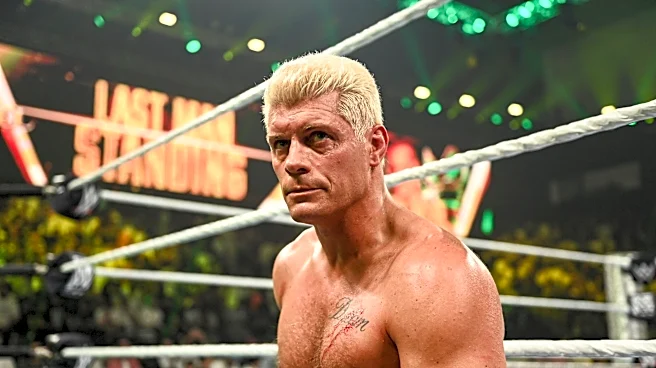
What's Happening?
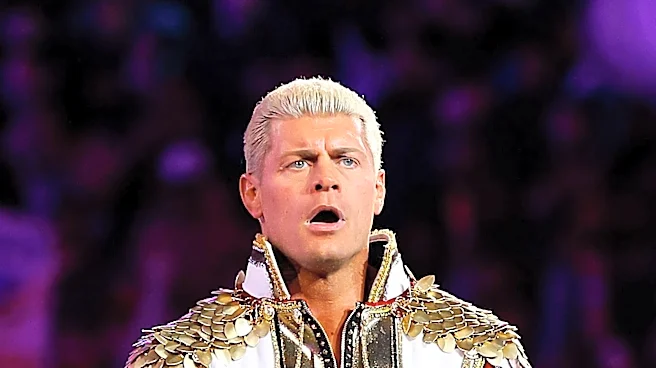
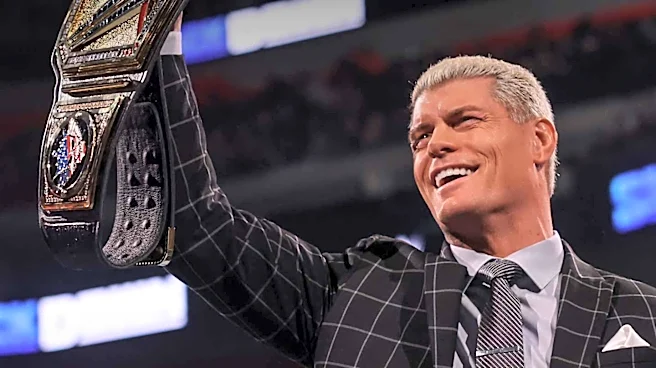
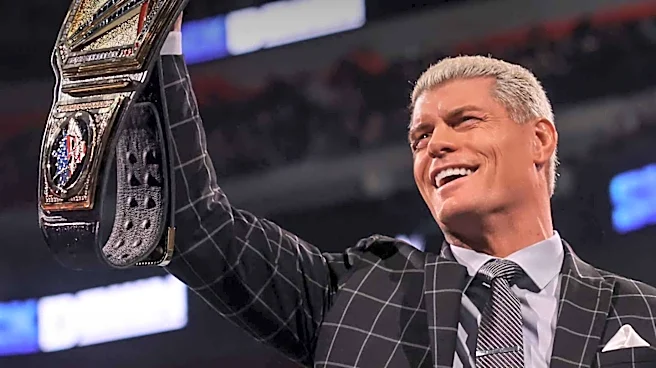
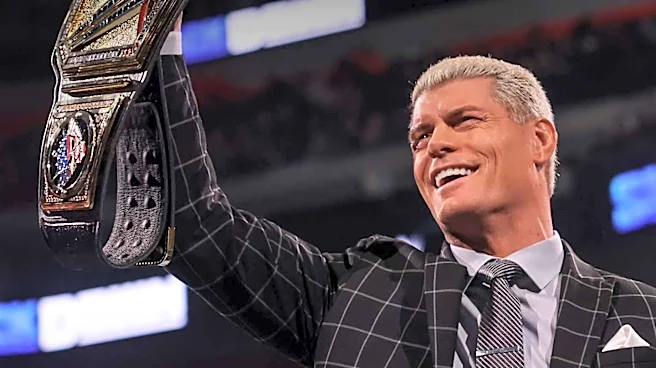
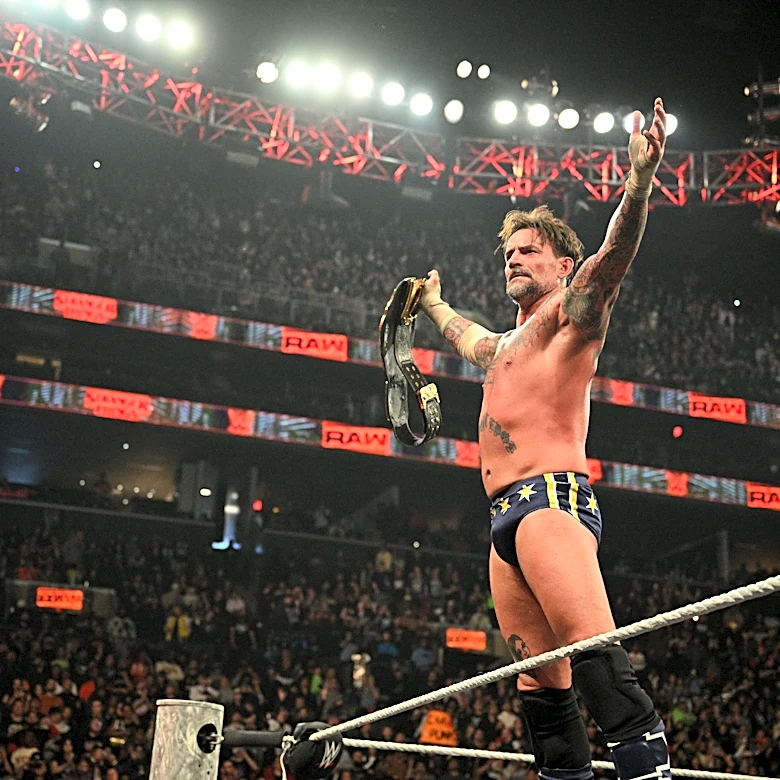
Cody Rhodes, a prominent WWE star, has expressed his openness to a potential heel turn, a shift to a villainous character, in his wrestling persona. This comes amidst growing fan speculation and some evidence of a more aggressive edge to his character, notably
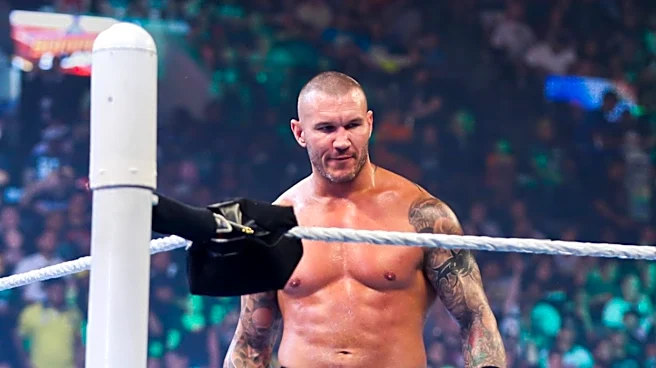
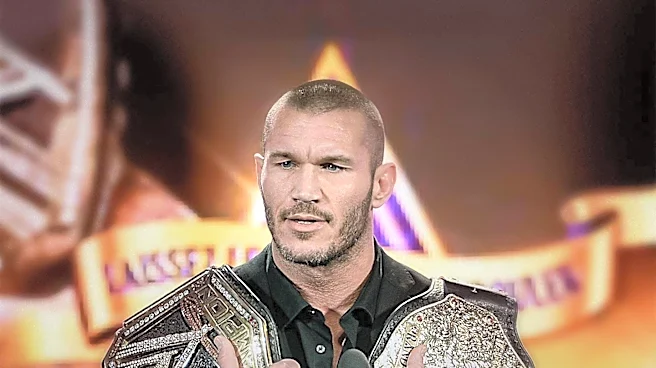
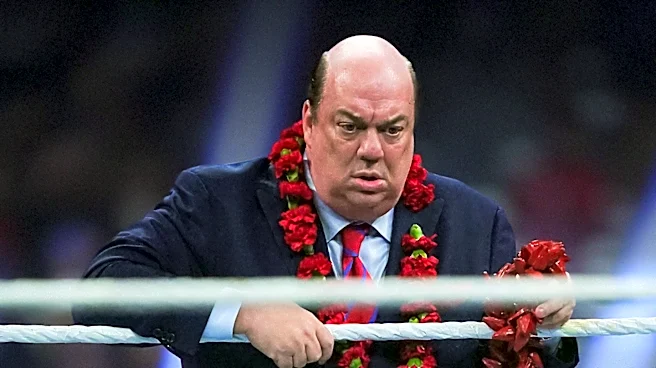
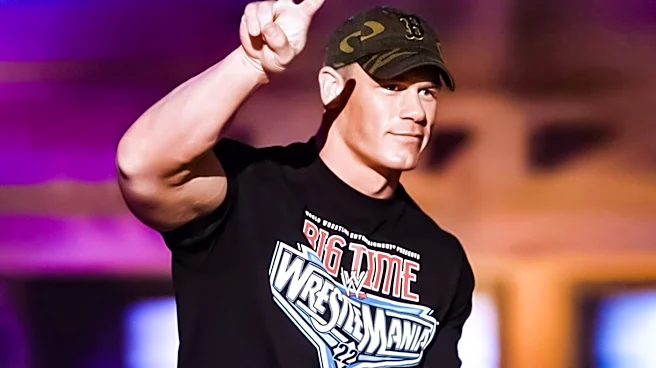
his punt kick to Randy Orton's head at Crown Jewel. Rhodes also addressed the possibility of aligning with Paul Heyman, acknowledging their unique relationship stemming from Heyman's connection with his father. During an interview with Unsportsmanlike, Rhodes stated he is 'very open' to a heel turn, emphasizing that any such change would be what's 'best for WWE.' He even noted that he expected boos after a recent Raw promo where he stated he 'loved' punting Randy Orton, but instead received cheers, highlighting the unpredictable nature of fan reactions. This discussion follows a period where Rhodes, despite being a popular babyface (heroic character), has started to receive mixed reactions from the audience, similar to past WWE stars like John Cena during their peak.
Why It's Important?
A heel turn for Cody Rhodes would represent a significant shift in one of WWE's top storylines and character arcs. Rhodes has been positioned as a top babyface since his return to WWE, aiming to 'finish the story' by winning a world championship, a goal his father never achieved. A turn to a villainous role could drastically alter fan perception, create new rivalries, and potentially refresh his character, which some fans feel has become stale. This move could also impact WWE's overall narrative direction, as Rhodes is a central figure in many ongoing storylines. For WWE, such a change could generate renewed interest and create compelling television, potentially boosting viewership and engagement. It also reflects a strategic decision by WWE's creative team, led by Triple H, to adapt to audience reactions and evolve characters to maintain narrative freshness and excitement within the sports entertainment landscape.
What's Next?
While Cody Rhodes has indicated his openness to a heel turn, the timing and execution remain uncertain. He mentioned that Triple H is guiding the creative direction and that they 'won't miss an opportunity' if and when the time is right. This suggests that a character shift would be a carefully planned development rather than an immediate change. Fans will likely be scrutinizing Rhodes' future promos and in-ring actions for further hints of a heel turn. His participation in the upcoming five-on-five Survivor Series Elimination Match, where he will lead Team USA against Team Mexico, could be a platform for further character development or a display of a more aggressive persona. The potential alignment with Paul Heyman, a renowned manager often associated with villainous characters, could also be a key indicator of future direction. The evolution of Rhodes' character will be a focal point for WWE programming in the coming months.
Beyond the Headlines
The discussion around Cody Rhodes' potential heel turn touches upon broader themes within professional wrestling regarding character evolution and audience engagement. The phenomenon of popular babyfaces eventually receiving mixed reactions or even boos from the audience is not new, as seen with John Cena. This often prompts a re-evaluation of the character's direction to maintain relevance and generate new interest. A heel turn, if executed effectively, can revitalize a character and lead to some of the most compelling storytelling in wrestling. It also highlights the dynamic relationship between performers, creative teams, and the audience, where fan reactions can significantly influence narrative choices. The decision to turn a top star heel involves a calculated risk, as it can alienate some fans while attracting others, ultimately aiming to create a more complex and engaging narrative that resonates with a diverse viewership.