






What's Happening?
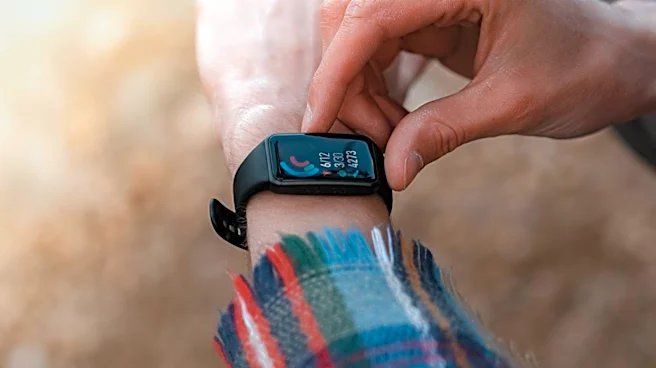
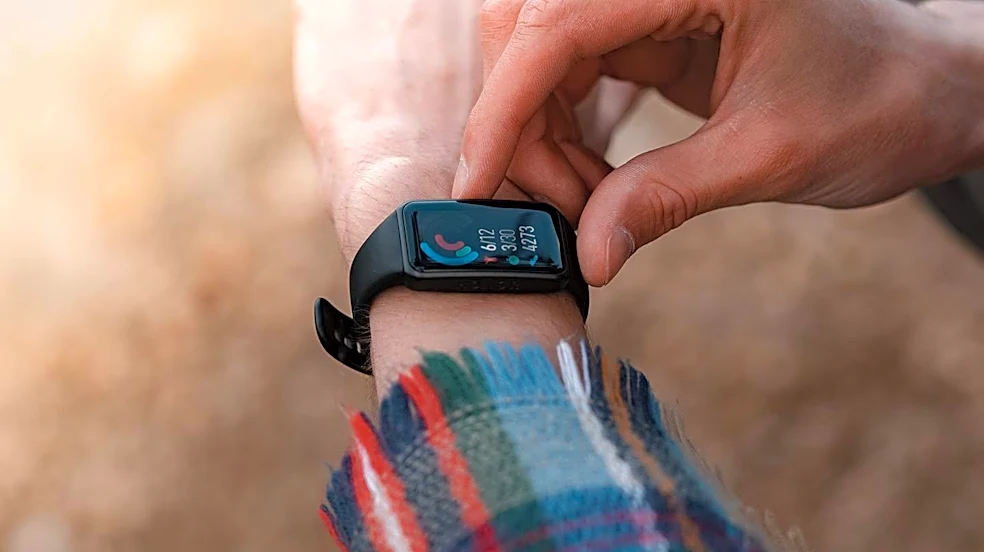
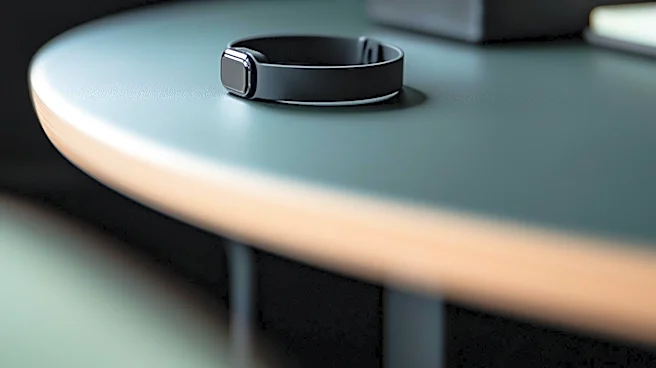
The Fitbit Charge 6 is highlighted as a fitness band that integrates both sleep and activity tracking, catering to individuals who prefer a wrist-worn device without the extensive functionalities of a full smartwatch. This device provides estimates for
sleep duration and sleep stages. The appeal of the Fitbit Charge 6 lies in its ability to offer these tracking capabilities in a compact fitness band form factor, distinguishing it from smartwatches or ring-based trackers. While it offers valuable insights into sleep patterns and daily activity, the source notes that wrist wear can sometimes be uncomfortable overnight, and sleep-stage estimates are not clinical measurements. Users are advised to understand the distinction between included insights and features that may require a Fitbit Premium subscription.
Why It's Important?
The availability of devices like the Fitbit Charge 6 is important for the U.S. health and wellness market, as it provides consumers with diverse options for monitoring personal health metrics. For individuals seeking a balance between comprehensive tracking and minimal device intrusion, the fitness band format offers a compelling alternative to more feature-rich smartwatches or less conspicuous rings. This product caters to a segment of the population that prioritizes specific health data—like sleep and activity—without desiring the constant notifications and broader applications of a smartwatch. The emphasis on combining sleep and activity tracking in one device can help users gain a more holistic view of their daily health, potentially influencing lifestyle choices and promoting better overall well-being. The distinction between included features and premium subscriptions also highlights the evolving business models in the wearable technology sector, where companies often offer tiered access to advanced analytics and personalized coaching.
What's Next?
Consumers interested in the Fitbit Charge 6 will need to consider their personal preferences regarding wearability, as wrist-worn devices may not be comfortable for everyone during sleep. Potential buyers should also carefully review the features included with the device versus those that require a Fitbit Premium subscription to ensure it meets their specific needs without unexpected additional costs. The market for fitness trackers is continuously evolving, with new models and competing technologies emerging regularly. Future developments may focus on improving comfort, enhancing the accuracy of sleep and activity metrics, and refining the integration of health data with other wellness platforms. The ongoing competition among wearable tech companies like Fitbit, Apple, Oura, and WHOOP suggests a continued push for innovation in design, functionality, and subscription models to attract and retain users.
Beyond the Headlines
The trend towards integrated sleep and activity tracking, as exemplified by the Fitbit Charge 6, reflects a broader societal shift towards proactive health management and self-monitoring. This development raises questions about data privacy and the ethical implications of collecting extensive personal health information. While these devices empower individuals with more data about their bodies, there's a growing need for transparency regarding how this data is used, stored, and protected. Furthermore, the reliance on consumer-grade devices for health insights, while beneficial for general wellness, underscores the importance of distinguishing between actionable trends and clinical diagnoses. The comfort and wearability of such devices also highlight the ongoing challenge for manufacturers to balance technological sophistication with user experience, particularly for continuous wear applications like sleep tracking. The rise of subscription-based models for advanced features also points to a future where access to deeper health insights may become a recurring cost for consumers.