





What's Happening?
Companies are increasingly focusing on employee well-being by integrating wellness rooms and flexible work environments into their office designs. This trend is driven by a recognition that physical spaces significantly impact employee health, focus,
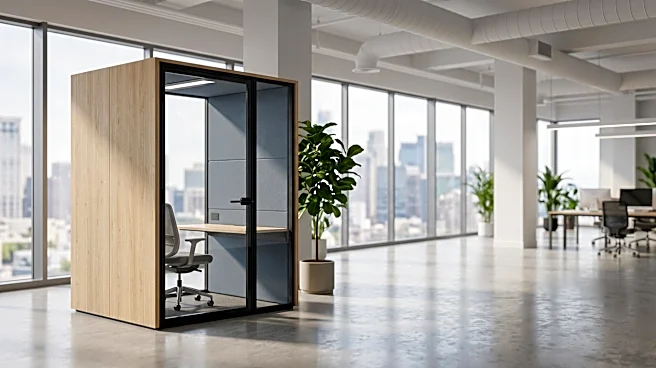
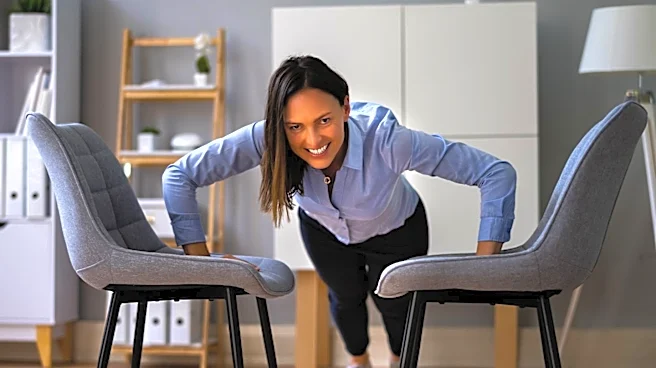
and productivity. Wellness rooms are designed to offer spaces for relaxation, recovery, and overall well-being, often equipped with amenities like infrared saunas, compression boots, massage tables, and meditation tools. Beyond dedicated rooms, the concept extends to creating 'wellness-friendly' offices that encourage movement, provide quiet zones, and offer opportunities for employees to recharge throughout the day. This involves transforming underutilized spaces into movement zones with active workstations or shared cycle stations, and designing layouts that support various employee needs, from focused work to collaborative interactions and quiet breaks. The emphasis is on embedding well-being into the architecture and daily operations rather than treating it as a separate amenity.
Why It's Important?
The integration of wellness-focused design in U.S. workplaces signifies a significant shift in corporate culture and human resources strategies. This approach aims to combat issues like sensory overload, lack of privacy, and the absence of recovery spaces, which can negatively impact employee performance and mental health. By providing accessible wellness options, companies can potentially reduce stress, improve employee retention, and boost overall productivity. This trend is particularly important in an era where remote and hybrid work models are prevalent, as it makes the office a more attractive and supportive environment for those who choose to work on-site. Investing in such spaces can lead to a healthier, more engaged workforce, ultimately benefiting the company's bottom line through reduced absenteeism and increased output. It also reflects a growing understanding that employee well-being is not just a personal responsibility but a shared organizational one.
What's Next?
The trend of designing wellness-friendly offices is expected to continue evolving, with more companies adopting holistic approaches to workplace design. This will likely involve further innovation in flexible furniture, technology-integrated wellness solutions, and personalized well-being programs. Companies may increasingly consult with design experts specializing in neuroaesthetics and human-centered design to create spaces that cater to diverse employee needs, including those with different sensory and attention requirements. There will also be a greater focus on measuring the impact of these initiatives on employee satisfaction, productivity, and health outcomes to refine strategies. Furthermore, the concept of 'wellness zones' rather than single 'wellness rooms' will likely become more widespread, allowing for a more distributed and integrated approach to employee well-being throughout the office environment.
Beyond the Headlines
Beyond the immediate benefits of improved employee health and productivity, the rise of wellness-focused office design has deeper implications for the future of work and urban planning. It challenges traditional office layouts that often prioritize density over well-being, suggesting a paradigm shift towards more human-centric environments. This movement could influence commercial real estate development, leading to buildings designed with integrated wellness features from the ground up. Ethically, it raises questions about corporate responsibility for employee well-being and the potential for such amenities to become a standard expectation rather than a perk. Culturally, it reflects a broader societal emphasis on self-care and mental health, bringing these values into the professional sphere and potentially reshaping the work-life balance narrative. The long-term impact could be a more sustainable and humane approach to work, where physical and mental health are considered integral to professional success.