






What's Happening?
Cruisebound has published a detailed packing list for individuals embarking on winter cruises from New York City, highlighting the unique challenge of preparing for both freezing embarkation temperatures and warmer destination climates. The guide emphasizes
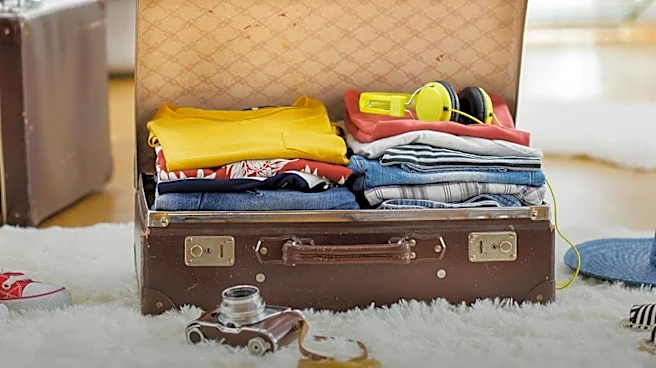
a dual-climate strategy, advising travelers to dress in functional cold-weather gear for departure from the Manhattan Cruise Terminal, where wind chill can make temperatures feel significantly colder. Key recommendations for embarkation day include wearing a wind-resistant, waterproof outer jacket, thermal base layers, warm pants, waterproof boots with traction, and accessories like hats, gloves, and scarves. For the transition to warmer latitudes, the guide suggests keeping cold-weather items efficient and packing fully for warm-weather activities, including swimwear, cover-ups, sandals, and light clothing. It also provides tips for organizing luggage, such as using packing cubes to separate cold and warm weather wardrobes, and keeping essential items like medications and a change of clothes in a carry-on due to potential delays in luggage delivery to cabins.
Why It's Important?
This comprehensive packing guide is crucial for U.S. travelers planning winter cruises from NYC, as it addresses a common logistical challenge that can significantly impact comfort and enjoyment. By providing specific advice on layering and item selection, it helps prevent issues like inadequate protection against cold weather during embarkation or overpacking for the warmer parts of the trip. For the cruise industry, offering such detailed guidance enhances customer satisfaction and reduces potential complaints related to unpreparedness. It also underscores the importance of considering regional climate variations when planning itineraries and advising passengers. The emphasis on practical, functional clothing over fashion for embarkation day reflects a growing trend towards utilitarian travel preparation, especially for journeys involving significant climate shifts. This information is particularly valuable for first-time cruisers or those unfamiliar with cold-weather departures, ensuring a smoother and more enjoyable start to their vacation.
What's Next?
Travelers planning winter cruises from NYC will likely consult this type of detailed packing advice to prepare for their trips, leading to more informed and comfortable embarkation experiences. Cruise lines and travel agencies may integrate similar packing recommendations into their pre-departure communications to passengers, further enhancing customer service. The focus on dual-climate packing strategies could also influence product development in the travel gear industry, leading to more versatile and packable clothing options designed for such transitions. As more people become aware of these specific challenges, there might be an increased demand for travel accessories like packable down jackets, waterproof luggage liners, and specialized thermal wear. Furthermore, the guide's advice on keeping essentials in carry-ons will likely reinforce best practices for all cruise travelers, regardless of departure location, to mitigate issues with delayed luggage.
Beyond the Headlines
The detailed packing list for NYC winter cruises highlights a broader shift in travel culture towards meticulous planning and preparedness, driven by a desire for seamless and stress-free experiences. This trend reflects an increasing awareness among travelers of environmental factors and personal comfort, moving beyond generic packing advice. The guide also subtly touches upon the environmental impact of travel, by recommending efficient packing to minimize bulk, which can indirectly reduce fuel consumption for transportation. From a psychological perspective, being well-prepared for varying climates can significantly reduce travel anxiety and enhance the overall vacation experience. The emphasis on functional gear over fashion for specific travel segments also indicates a growing pragmatism in travel choices. This detailed approach to packing can serve as a model for other specialized travel scenarios, encouraging a more thoughtful and tailored approach to preparing for diverse travel conditions globally.