
What's Happening?
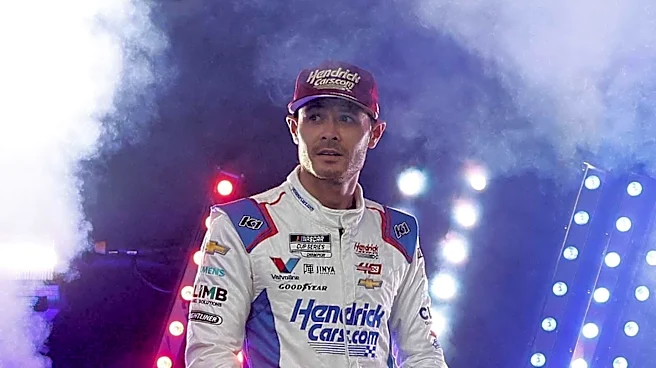
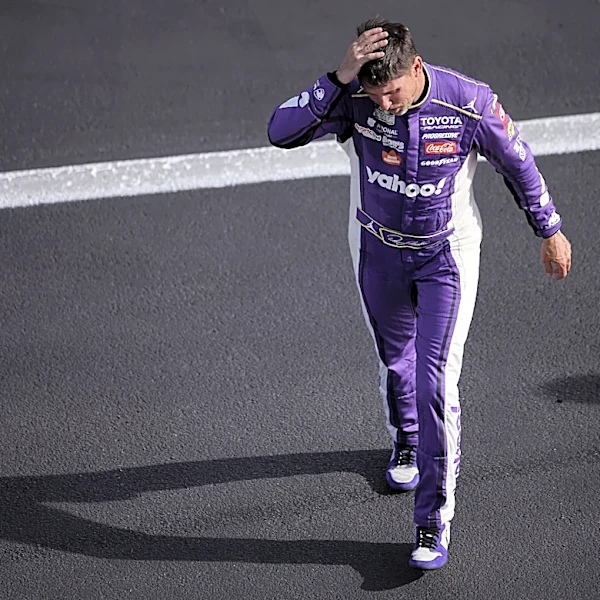
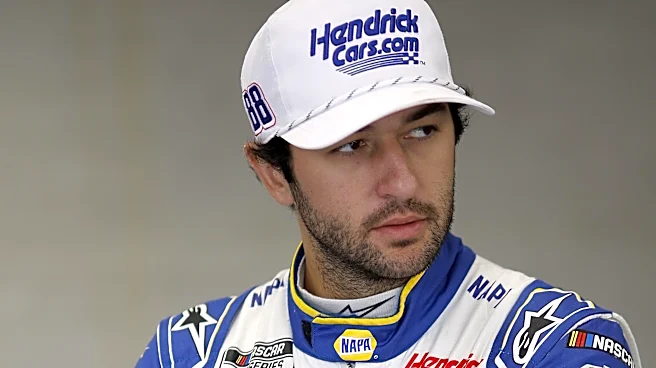
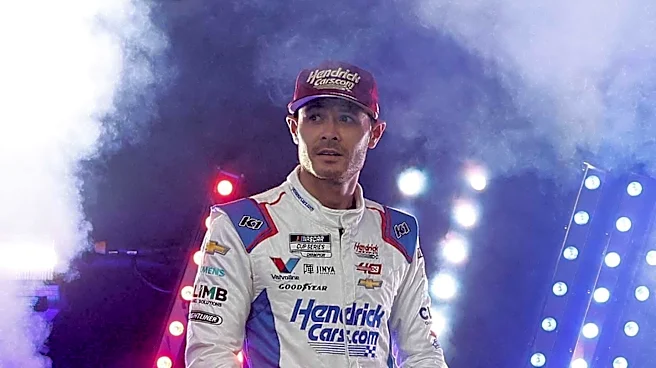
NASCAR analyst and former champion Kevin Harvick stated that Kyle Larson's competitors 'beat themselves' in the 2026 Cup Series championship, allowing Larson to secure his third title. Harvick, speaking on his 'Happy Hour' show, highlighted numerous costly
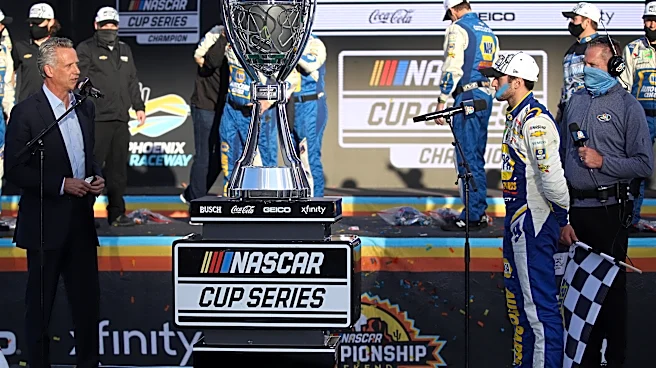
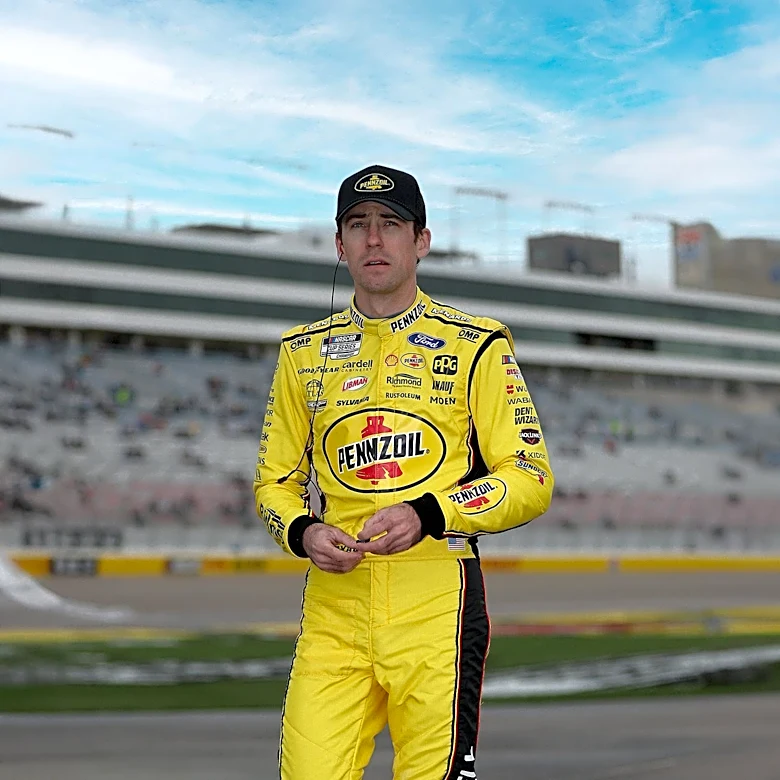
mistakes made by other top drivers, including Christopher Bell and Ryan Blaney, throughout the season. Bell, who finished second in the standings, had incidents such as spinning out at Talladega and a speeding penalty at Martinsville. Ryan Blaney, who finished fourth, experienced a brake rotor failure at Gateway and contact that ended his night at Bristol. Harvick contrasted these errors with the consistent execution of Larson's No. 5 team, led by crew chief Cliff Daniels, whom he lauded for setting a new standard in leadership and preparation. Larson clinched his third championship at Homestead-Miami Speedway during Stage 1.
Why It's Important?
Harvick's analysis is significant as it offers an insider's perspective on the critical factors determining a NASCAR championship: not just raw speed, but also flawless execution and strategic leadership. His comments underscore the high-pressure environment of professional racing, where even minor errors can have season-altering consequences. By emphasizing the 'self-inflicted' setbacks of Larson's rivals, Harvick highlights the importance of mental fortitude and team discipline. Furthermore, his praise for Cliff Daniels elevates the role of the crew chief, suggesting that exceptional leadership in the pit box is as crucial as driver talent. This perspective could influence how teams approach preparation and strategy, potentially leading to a greater focus on minimizing mistakes and fostering strong leadership within their ranks to compete at the highest level.
What's Next?
Harvick's observations could prompt other NASCAR teams to re-evaluate their operational strategies and leadership structures in the upcoming 2027 season. Competitors will likely intensify their focus on execution, aiming to eliminate the types of errors that Harvick identified as detrimental to championship aspirations. The emphasis on Cliff Daniels' leadership might inspire other crew chiefs and team managers to adopt similar rigorous approaches to preparation and decision-making. This could lead to a more disciplined and strategically astute competitive landscape in NASCAR, as teams strive to match the consistency demonstrated by Larson's No. 5 team. The discussion also sets a benchmark for future championship contenders, highlighting that sustained excellence requires more than just speed.
Beyond the Headlines
The deeper implication of Harvick's commentary lies in its reflection on the psychological and organizational aspects of elite sports. It suggests that in highly competitive fields, the margin between victory and defeat often comes down to the absence of mistakes rather than just the presence of extraordinary skill. This perspective can be applied beyond racing, to any high-performance environment where precision and consistency are paramount. It also highlights the often-underestimated role of support staff, like crew chiefs, whose leadership can be the linchpin of a team's success. The narrative shifts from individual heroics to collective excellence, emphasizing that a championship is a testament to an entire organization's ability to perform under pressure and avoid self-sabotage.