




What's Happening?
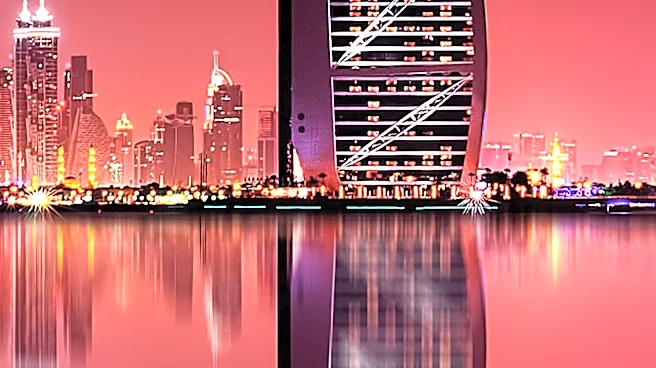
Dubai, United Arab Emirates, is solidifying its position as a leading global travel destination, offering a unique blend of futuristic architecture, luxury hospitality, and rich cultural experiences. The city provides diverse attractions, from modern
marvels like the Burj Khalifa and Palm Jumeirah to historical sites such as the Al Fahidi Historic District and traditional souqs along Dubai Creek. Visitors can engage in high-end experiences, including world-class dining and extravagant resorts, while also finding accessible options like budget-friendly accommodations and efficient public transport. The city's infrastructure, including a driverless Metro connecting the airport to the city center, facilitates short stays and diverse itineraries. Dubai's culinary scene is also a major draw, featuring international cuisines and traditional dishes, catering to a wide range of tastes and preferences. The destination is actively promoting weekend tourism, allowing travelers to experience its varied offerings within a compact timeframe.
Why It's Important?
Dubai's rise as a premier travel destination has significant implications for the global tourism industry and the United Arab Emirates' economy. By successfully blending luxury with cultural depth, Dubai attracts a broad spectrum of international travelers, contributing to its economic diversification away from oil. This strategy enhances the UAE's global image as a hub for tourism, business, and culture. The city's focus on diverse attractions, from family-friendly waterparks to historic districts, ensures a wide appeal, fostering sustained growth in visitor numbers and tourism revenue. The development of robust infrastructure and varied accommodation options also positions Dubai as a competitive player in the international travel market, potentially influencing tourism trends and investment in similar emerging destinations worldwide. The emphasis on cultural heritage alongside modern development also helps preserve and showcase the region's history to a global audience.
What's Next?
Dubai is expected to continue its strategic development in tourism, focusing on enhancing existing attractions and introducing new experiences to maintain its competitive edge. Future initiatives may include further investment in sustainable tourism practices, expansion of its cultural offerings, and continued promotion of diverse travel segments, such as eco-tourism and adventure travel. The city will likely leverage technological advancements to improve visitor experiences, from smart city initiatives to personalized travel planning. Continued efforts to attract international events and conferences will also play a crucial role in sustaining its growth as a global hub. Additionally, Dubai may explore partnerships with international travel organizations and airlines to broaden its reach and attract new markets, further solidifying its status as a top-tier destination.
Beyond the Headlines
Beyond its immediate economic impact, Dubai's success as a global travel destination reflects broader trends in urban development and cultural exchange. The city's ability to rapidly transform from a regional trading post into a world-renowned metropolis highlights the power of strategic vision and investment in infrastructure and tourism. This transformation also raises questions about cultural authenticity in rapidly modernizing societies and how traditional heritage can be preserved and integrated into a futuristic urban landscape. Dubai's model of blending diverse cultures and offering a wide array of experiences could serve as a case study for other cities aiming to become global tourism powerhouses. Furthermore, the city's emphasis on luxury and high-end experiences, alongside efforts to provide accessible options, showcases a complex approach to market segmentation in the global tourism industry.