







What's Happening?
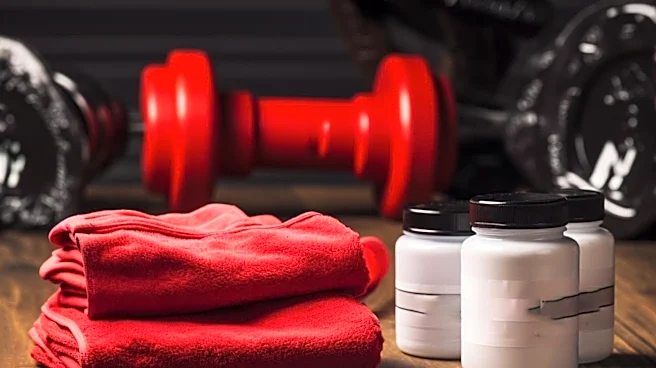
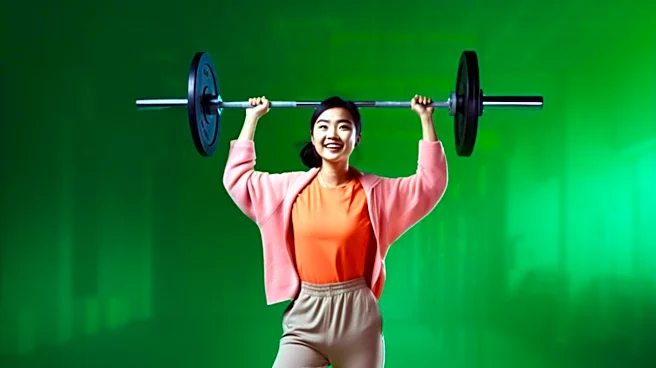
Creatine, a supplement traditionally associated with male bodybuilders, is gaining popularity among women, particularly those over 40, due to its potential benefits in strength training and muscle mass retention. The supplement is being marketed as beneficial
for women because they typically have lower baseline creatine stores compared to men. This shift is part of a broader trend where women are increasingly engaging in strength training to combat muscle mass decline. Creatine is touted for its ability to improve memory, mood, and blood sugar control, and is supported by substantial research. While generally considered safe for healthy adults, it is not recommended for individuals with kidney or liver issues.
Why It's Important?
The growing interest in creatine among women reflects a significant shift in fitness culture, where strength and muscle building are becoming more mainstream for women. This trend challenges traditional gender norms that often discourage women from pursuing muscle growth. The increased use of creatine could lead to broader acceptance and understanding of women's health needs, particularly in the context of aging and maintaining physical fitness. Additionally, the supplement's affordability and research-backed benefits make it an attractive option for those looking to enhance their fitness routines.
What's Next?
As more women incorporate creatine into their fitness regimens, there may be increased demand for research on its long-term effects specifically in female populations. Fitness and health industries might respond by developing more targeted products and marketing strategies. Additionally, there could be a rise in educational efforts to inform consumers about safe usage and potential risks associated with creatine supplementation.
Beyond the Headlines
The popularity of creatine among women could influence broader societal perceptions of female fitness and health. It may encourage more women to prioritize strength and muscle development, leading to a cultural shift in how female fitness is perceived and pursued. This could also impact the fitness industry, prompting a reevaluation of product offerings and marketing strategies to better cater to women's evolving fitness goals.