





What's Happening?
Oil of oregano, often marketed for its antimicrobial and immune-boosting properties, lacks substantial human clinical evidence to support these claims. While laboratory studies show that its active compounds, carvacrol and thymol, can kill bacteria and fungi
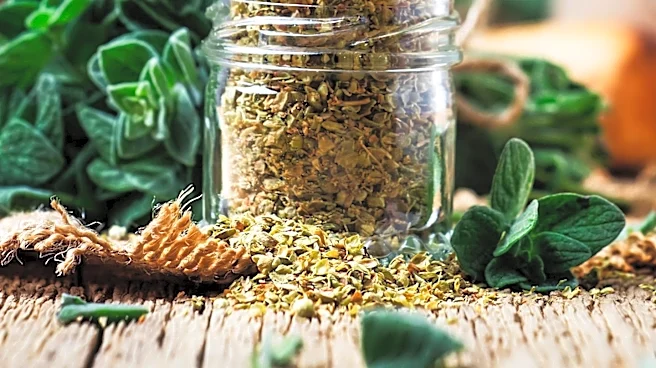
in petri dishes, these effects have not been consistently replicated in human trials. The U.S. supplement market regulates oil of oregano as a food, not a drug, leading to significant variability in product quality and carvacrol content. There are no long-term human safety studies on daily oil of oregano supplementation, raising concerns about its effects on the liver, gut lining, and potential interactions with medications. Short-term use may cause digestive upset, burning sensations, or nausea. The product is not recommended during pregnancy or breastfeeding, and caution is advised for individuals on blood-thinning or diabetes medications due to potential interactions. The most defensible way to consume oregano remains through culinary use, as part of a Mediterranean diet, which provides similar compounds in gentler amounts with established health benefits.
Why It's Important?
The lack of scientific evidence supporting the broad health claims of oil of oregano, coupled with its unregulated status in the U.S. supplement market, poses significant public health risks. Consumers may delay seeking conventional medical treatment for serious conditions, relying instead on unproven remedies. This can lead to worsening health outcomes and increased healthcare costs in the long run. The potential for adverse side effects, drug interactions, and the absence of long-term safety data highlight a critical gap in consumer protection. For the U.S. healthcare system, this situation contributes to the challenge of managing patient expectations regarding alternative therapies and underscores the need for clearer regulatory oversight of dietary supplements. Furthermore, the indiscriminate antimicrobial action observed in lab settings raises theoretical concerns about its impact on beneficial gut bacteria, potentially disrupting the delicate balance of the microbiome, which is crucial for overall health.
What's Next?
In the absence of robust clinical evidence, consumers are advised to exercise caution and consult healthcare professionals before using oil of oregano, especially if they have underlying health conditions or are taking other medications. Regulatory bodies in the U.S. may face increasing pressure to enhance oversight of dietary supplements, potentially leading to stricter labeling requirements or more rigorous testing standards to ensure product safety and efficacy. Healthcare providers will likely continue to educate patients on the limitations of unproven remedies and emphasize evidence-based treatments. Further research into the specific compounds of oregano and their effects in human physiology could clarify its potential therapeutic roles, but until then, its use as a broad-spectrum health supplement remains largely unsupported by science. The focus will likely remain on promoting well-established dietary patterns, such as the Mediterranean diet, for general health benefits.
Beyond the Headlines
The widespread belief in the efficacy of oil of oregano, despite limited scientific backing, reflects a broader societal trend of seeking 'natural' solutions and distrust in conventional medicine. This phenomenon is often fueled by anecdotal evidence and aggressive marketing in the unregulated supplement industry. The 'petri dish problem'—where laboratory results are misinterpreted as proof of human efficacy—highlights a critical gap in public scientific literacy. This situation also raises ethical questions about the responsibility of manufacturers and marketers to provide accurate information to consumers. The allure of a 'miracle cure' can overshadow the importance of foundational health practices like a balanced diet, regular exercise, and adequate sleep. Addressing this issue requires not only stricter regulation but also comprehensive public education campaigns to empower individuals to make informed health decisions based on credible scientific evidence, rather than marketing hype or anecdotal claims.