


What's Happening?
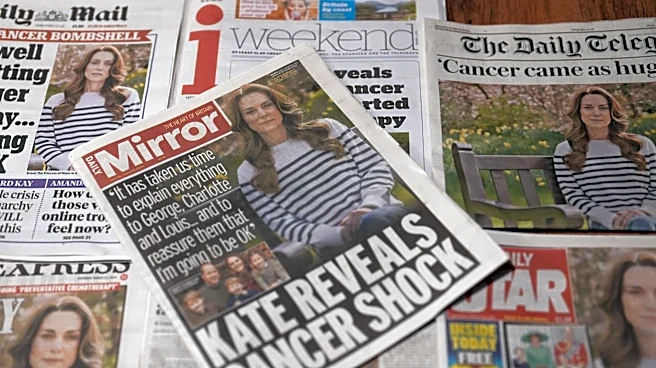
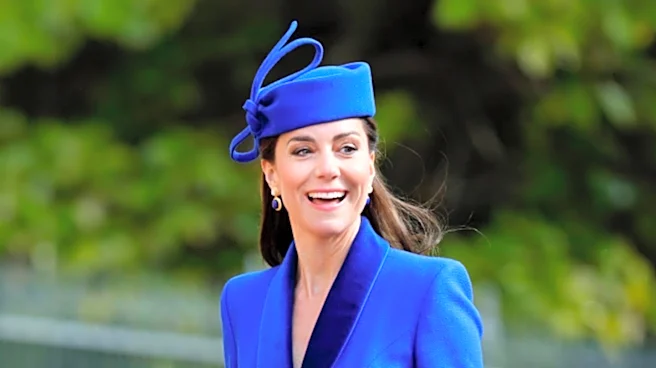
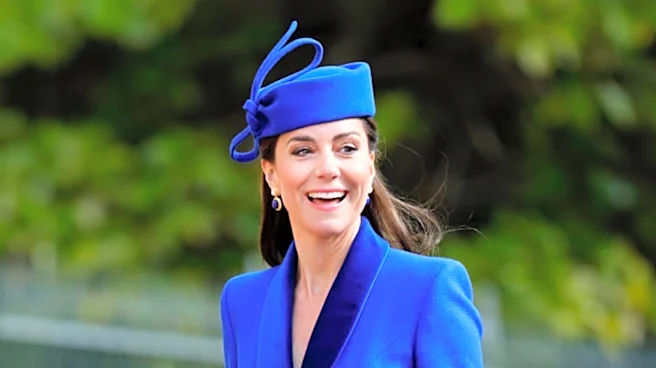
Kate Middleton, 44, the Princess of Wales, has shared insights into her parenting philosophy and her personal journey of cancer recovery, highlighting the profound importance of nature in both aspects of her life. In an interview with Country Life magazine,
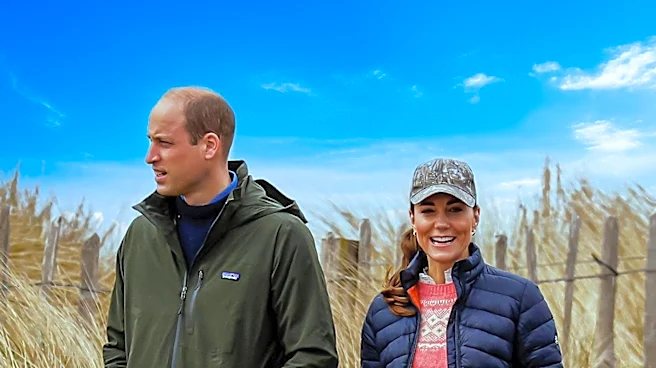
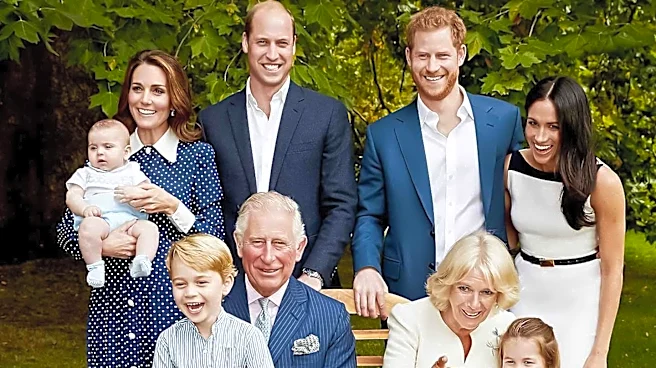
where Prince William served as guest editor, Middleton discussed her efforts to instill a love for the outdoors in her three children: Prince George, 13, Princess Charlotte, 11, and Prince Louis, 8. She recounted her own childhood experiences in Bucklebury, England, where she spent significant time exploring nature, playing in streams, and walking through fields. These early experiences fostered a sense of freedom and appreciation for the simple wonders of the natural world. Middleton believes it is crucial to allow children the freedom to explore natural environments spontaneously, fostering curiosity and autonomy rather than directing their observations. She noted that children often perceive details in nature that adults tend to overlook, a connection she strives to maintain with her own children. This approach aims to counteract the fast-paced modern life that often prevents individuals from slowing down and observing their surroundings.
Why It's Important?
Middleton's emphasis on nature-based upbringing underscores a growing global recognition of the benefits of outdoor play and environmental connection for child development. Her public statements, given her prominent role, can influence parenting trends and encourage more families to prioritize outdoor activities, potentially impacting children's physical and mental health. Furthermore, her candid discussion about nature's role in her cancer recovery sheds light on the therapeutic potential of natural environments. By sharing her personal experience, Middleton contributes to destigmatizing serious illnesses and promotes a holistic approach to health, which considers emotional and spiritual well-being alongside physical recovery. This could encourage broader acceptance and integration of nature-based therapies in healthcare and wellness practices. Her comparison of recovery to natural cycles—emphasizing periods of rest and renewal—offers a relatable framework for understanding healing processes, potentially providing comfort and guidance to others facing similar health challenges.
What's Next?
Following her interview, it is likely that Kate Middleton will continue to advocate for initiatives that connect children with nature and promote holistic well-being. Her public platform could be utilized to support charities or programs focused on outdoor education, environmental conservation, or nature-based therapeutic interventions. There may be increased public interest in her family's outdoor activities, potentially inspiring other parents to seek similar experiences for their children. Her reflections on cancer recovery could also lead to further discussions about mental health support and the role of environment in healing within broader health dialogues. As she gradually resumes official engagements, her focus might subtly shift to include more events related to these themes, reinforcing her commitment to these causes. The royal family's continued engagement with publications like Country Life also suggests a sustained effort to share personal insights that resonate with the public on matters of family life and well-being.
Beyond the Headlines
Beyond the immediate implications, Kate Middleton's narrative touches upon deeper societal shifts regarding our relationship with the natural world and health. In an increasingly digital age, her advocacy for unplugged, nature-centric childhoods challenges prevailing norms and highlights the potential long-term developmental benefits of such an approach, including enhanced creativity, problem-solving skills, and emotional resilience. Her personal testimony on cancer recovery also subtly critiques a purely biomedical model of health, advocating for a more integrated view that acknowledges the profound impact of psychological and environmental factors on healing. This perspective aligns with growing scientific evidence supporting the benefits of 'green prescriptions' and nature therapy. Culturally, her openness about her health journey and the solace she found in nature could contribute to a broader cultural acceptance of vulnerability and the importance of seeking comfort and healing in non-traditional ways, fostering a more empathetic and holistic understanding of human well-being.