






What's Happening?
Amgen, a prominent biotechnology company, is preparing to launch its ABP 206 biosimilar in the U.S. market by October 1, 2028. This development follows a settlement reached with Bristol-Myers Squibb and Ono Pharmaceutical. The launch is contingent upon
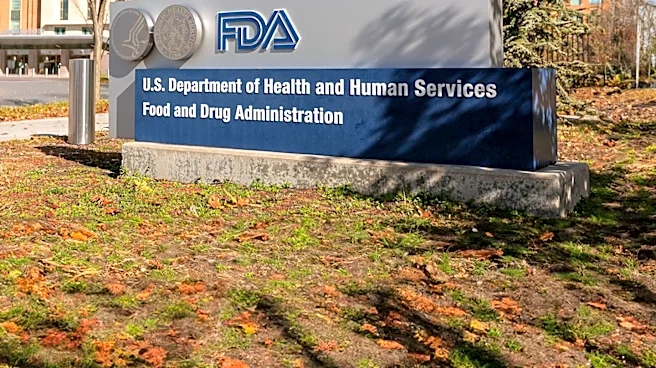
receiving approval from the U.S. Food and Drug Administration (FDA), with the agency's decision on the application anticipated by the end of 2026. This strategic move is part of Amgen's broader efforts in the biotechnology and pharmaceutical sectors, where it focuses on therapeutic areas such as Oncology, Inflammation, General Medicine, and Rare Disease. The company has a significant global presence and reported substantial revenue in recent fiscal periods, indicating its strong position in the industry.
Why It's Important?
The planned launch of Amgen's ABP 206 biosimilar holds significant implications for the U.S. healthcare market. Biosimilars are designed to be highly similar to existing approved biological medicines, offering potentially more affordable treatment options. This could lead to increased competition, driving down costs for patients and healthcare providers, and expanding access to critical therapies. For Amgen, the successful introduction of ABP 206 would strengthen its product portfolio and market share in the biosimilar space. The settlement with Bristol-Myers Squibb and Ono Pharmaceutical also highlights the complex legal landscape surrounding pharmaceutical patents and the strategic importance of such agreements in bringing new drugs to market. The FDA's approval process remains a critical hurdle, and its decision will directly impact the timeline and commercial viability of this product.
What's Next?
The immediate next step for Amgen is to secure FDA approval for ABP 206, which is expected by the end of 2026. Following approval, the company will proceed with its plans for a U.S. market launch by October 1, 2028. This period will likely involve extensive preparations for manufacturing, distribution, and marketing of the biosimilar. The introduction of ABP 206 could prompt reactions from other pharmaceutical companies, potentially leading to further competition or strategic adjustments in their own biosimilar development pipelines. Healthcare providers and patient advocacy groups will also be closely watching the launch, anticipating the potential for more accessible and affordable treatment options.
Beyond the Headlines
The increasing prevalence of biosimilars like Amgen's ABP 206 reflects a broader shift in the pharmaceutical industry towards more sustainable and cost-effective healthcare solutions. This trend is driven by expiring patents on blockbuster biological drugs and a growing demand for affordable alternatives. The legal settlements involved in bringing biosimilars to market underscore the intricate balance between intellectual property rights and public health needs. The success of biosimilars can also influence healthcare policy, potentially leading to new regulations or incentives that encourage their development and adoption. Ultimately, the long-term impact of such launches extends to the overall accessibility and affordability of advanced medical treatments, shaping the future of patient care in the U.S.