








What's Happening?
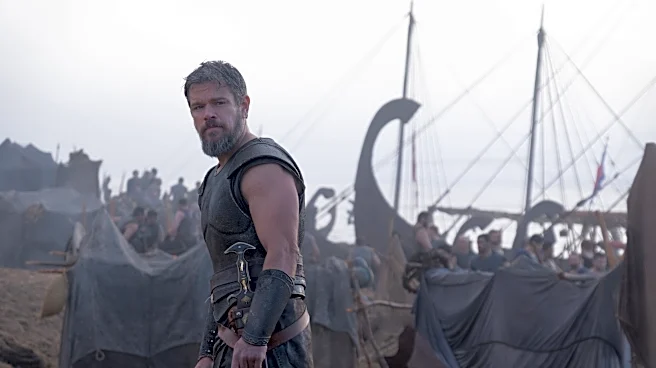
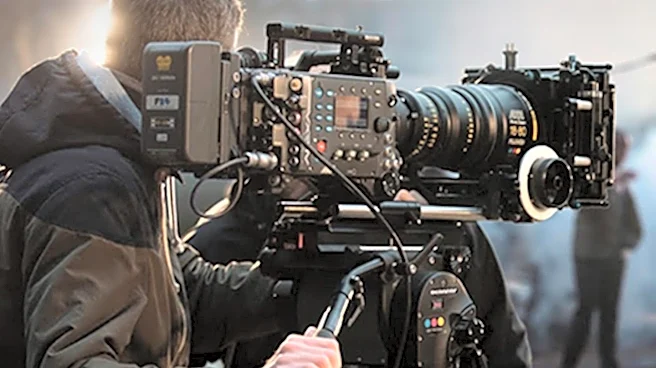
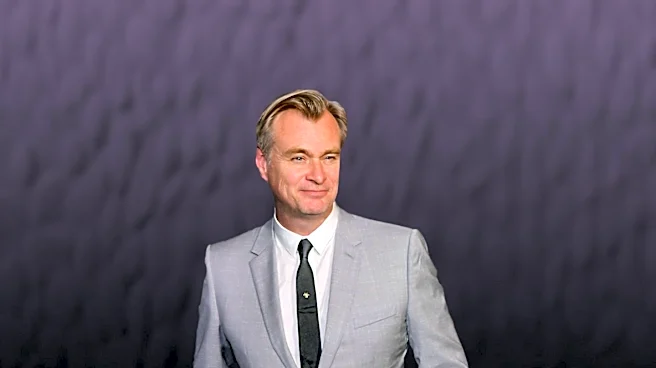
Himesh Patel, known for his role in 'Tenet', was handpicked by director Christopher Nolan for a significant role in the upcoming film 'The Odyssey'. Patel plays Eurylochus, the second-in-command to Matt Damon's Odysseus. The film, shot on IMAX, features
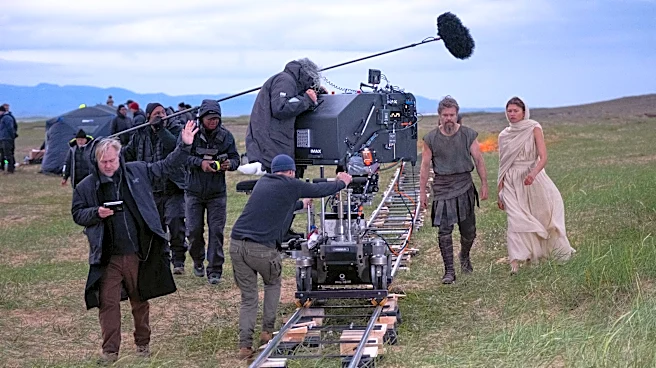
epic battles and intense sequences, including a Cyclops encounter and a scene with Circe. Patel describes the filming process as challenging, with demanding schedules and harsh conditions, such as shooting in Iceland's cold twilight. Despite the difficulties, Patel praises Nolan's immersive and democratic approach to filmmaking, where everyone, including Nolan, shares the same conditions on set.
Why It's Important?
The collaboration between Himesh Patel and Christopher Nolan on 'The Odyssey' underscores the director's continued influence in the film industry, known for creating cultural events with his movies. Nolan's choice to adapt a classic story like 'The Odyssey' with a modern, raw approach could set a new standard for epic films. This project also highlights the rigorous demands of high-scale filmmaking and the dedication required from actors and crew. The film's success could further cement Nolan's reputation and influence future adaptations of classic literature, potentially impacting how epic narratives are portrayed in cinema.
What's Next?
Following 'The Odyssey', Himesh Patel is set to co-lead in a new version of 'The X-Files' series by Ryan Coogler. The pilot has been filmed, and Patel awaits further developments on the series' continuation. The success of 'The Odyssey' could influence Patel's career trajectory, potentially leading to more high-profile roles. For Nolan, the film's reception will likely impact his future projects and the industry's approach to adapting classic stories. The film's release will be closely watched by audiences and critics, eager to see how Nolan's vision translates to this ancient tale.
Beyond the Headlines
The making of 'The Odyssey' reflects broader themes in the film industry, such as the balance between artistic vision and practical challenges. Nolan's method of immersive filmmaking, where the director and crew share the same conditions, raises questions about the ethics and sustainability of such practices. Additionally, the film's adaptation of a classic story with modern techniques may influence cultural perceptions of ancient narratives, potentially sparking renewed interest in classical literature and its relevance today.