





What's Happening?
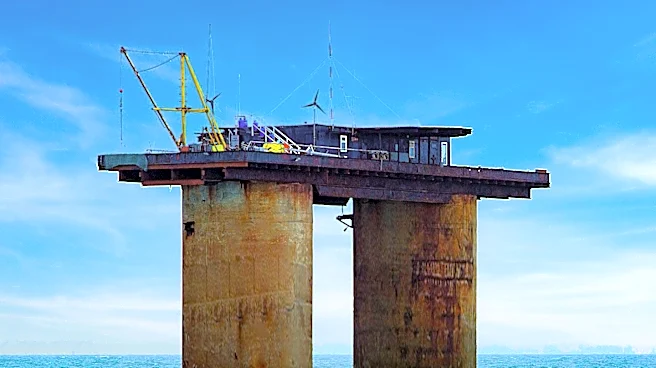
Adventurous tourists are paying significant amounts to stay at Frying Pan Tower, a decommissioned Coast Guard light station located 35 miles off the North Carolina coast. This unique accommodation, dubbed the 'world's most dangerous hotel,' is perched
80 feet above shark-infested waters. A TikTok video by charter boat captain Austin Aycock, showing him dropping off six tourists at the tower, has garnered 2.2 million views. The tower, built in 1964, offers a distinctive experience with amenities such as a high-speed lift, a fully equipped kitchen, and activities like fishing and snorkeling. Despite its remote location in hurricane alley, the tower has been a popular destination since 2012, maintained by a volunteer community.
Why It's Important?
The Frying Pan Tower represents a growing trend in tourism where travelers seek out unique and extreme experiences. This trend can have significant economic implications, as it attracts tourists willing to spend large sums for unconventional stays, thereby boosting local economies. Additionally, the tower's operation highlights the importance of preserving historical structures and repurposing them for modern use. The interest in such experiences also reflects a shift in consumer preferences towards adventure and novelty, which could influence future developments in the tourism industry.
What's Next?
As interest in unique travel experiences grows, similar ventures may emerge, offering tourists more offbeat accommodation options. The success of Frying Pan Tower could inspire other historical sites to be repurposed for tourism, potentially leading to increased preservation efforts. Additionally, the tower's popularity on social media platforms like TikTok suggests that digital marketing will continue to play a crucial role in attracting visitors to unconventional destinations.
Beyond the Headlines
The Frying Pan Tower experience raises questions about safety and accessibility in extreme tourism. While the allure of adventure is strong, the risks associated with remote locations, such as medical emergencies and severe weather, must be carefully managed. This highlights the need for robust safety protocols and emergency response plans in the tourism industry. Furthermore, the environmental impact of such ventures, including the sustainability of activities offered, should be considered to ensure that these experiences do not harm the surrounding ecosystem.