
What's Happening?
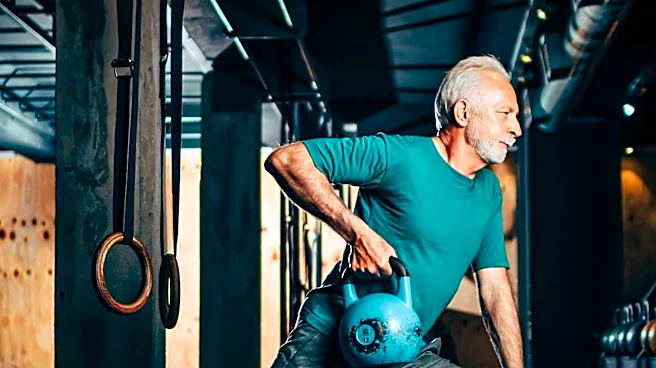
Post-menopausal standing routines should incorporate strength training with compound movements such as squats, hip hinges, rows, presses, and loaded carries. These routines are recommended two to three
times per week, utilizing weights that make the final two repetitions challenging while maintaining proper form. Alongside strength training, daily walking and short bursts of faster movement are encouraged. Addressing night sweats and disrupted sleep is also a priority, with recommendations for a cool, dark bedroom and a consistent sleep schedule. Nutritional advice includes distributing 25 to 30 grams of protein at breakfast and lunch, and consuming a serving after workouts. This approach directly counters age-related muscle loss and aids in weight management. The focus is on consistency and gradual progression rather than immediate high intensity, especially for those new to exercise. Safety guidelines advise consulting a professional before starting if there are underlying health conditions like uncontrolled blood pressure, severe osteoporosis, or significant joint pain.
Why It's Important?
This emphasis on specific post-menopausal standing routines is crucial for addressing several health challenges faced by women in this life stage. Age-related muscle loss, known as sarcopenia, is a significant concern, as it impacts balance, bone density, mobility, and the ability to perform daily tasks. Strength training directly combats this, helping to preserve muscle mass and, consequently, maintain a higher resting metabolic rate. This is particularly important because metabolism naturally slows with age, and without intervention, weight gain can become more prevalent and harder to reverse. The routines also contribute to bone loading, which is vital for preventing osteoporosis, a condition where bones become brittle and fragile, increasing the risk of fractures. Furthermore, integrating consistent sleep and proper nutrition supports overall well-being, mitigating symptoms like night sweats and fatigue that can hinder exercise adherence and quality of life. By focusing on these elements, women can proactively manage their health, reduce the risk of chronic diseases associated with weight gain, and improve their functional independence.
What's Next?
Individuals adopting these post-menopausal standing routines should focus on gradual progression. This involves starting with one set of each exercise and a repetition count that allows for good form, then slowly increasing repetitions, sets, or resistance over several weeks, but not all at once. Maintaining a simple log of exercises, resistance, repetitions, and how each session felt can help track progress and identify areas for adjustment. For aerobic activity, walking at a purposeful pace that still allows for conversation is recommended on non-strength training days, with short walks after meals or during phone calls to build volume. It is important to allow for at least one easier day to prevent fatigue and soreness. Those with existing health conditions should seek professional guidance from a physical therapist or qualified exercise professional to adapt movements safely. Continued adherence to these routines, coupled with a nutrient-dense diet and adequate sleep, will be key to sustaining the long-term benefits of muscle preservation, bone health, and weight management.
Beyond the Headlines
The recommendations for post-menopausal standing routines highlight a broader shift in understanding women's health during and after menopause. Historically, discussions around menopause often focused solely on hormonal changes and symptoms like hot flashes. However, this guidance underscores the critical role of lifestyle interventions, particularly strength training and nutrition, in mitigating the long-term health impacts of aging and hormonal shifts. It challenges the misconception that weight gain and muscle loss are inevitable and irreversible consequences of menopause, instead empowering women with actionable strategies. The emphasis on consistency over intensity and the importance of listening to one's body also promotes a more sustainable and holistic approach to fitness. This perspective can lead to greater autonomy in managing health, reducing reliance on quick fixes, and fostering a deeper understanding of the body's needs during this significant life stage. It also implicitly advocates for healthcare providers to offer more comprehensive, integrated advice that extends beyond hormonal treatments to include robust lifestyle recommendations.