

What's Happening?
Paolo Ardoino, CEO of Tether, has publicly articulated a strategy for hedging against economic instability, emphasizing Bitcoin, gold, and agricultural land. Ardoino, through statements on X, described this combination as a 'bulwark against dark times.'
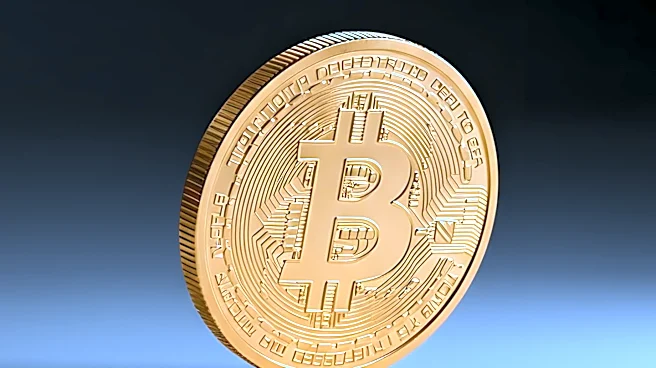
Tether, a major player in the cryptocurrency market, has actively implemented this strategy by accumulating significant reserves. The company holds nearly 99,000 BTC, making it one of the largest private Bitcoin holders globally. Additionally, Tether possesses approximately 148 tons of physical gold, stored in Switzerland and certified by LBMA, with a valuation nearing $23 billion. This gold backs both USDT and the Tether Gold token (XAUT). The third pillar of their strategy involves agricultural land, with Tether having acquired a 70% stake in Adecoagro, an agricultural firm operating across Argentina, Brazil, and Uruguay, managing over 580,000 hectares. This multi-asset approach is designed to protect against potential economic downturns, particularly in light of Ardoino's concerns about a potential bubble in artificial intelligence investments.
Why It's Important?
This strategy by Tether, a company whose stablecoin USDT is central to the cryptocurrency ecosystem, carries significant implications for the broader U.S. financial landscape and investment community. By diversifying its reserves into Bitcoin, gold, and agricultural land, Tether is signaling a move towards tangible and decentralized assets as a hedge against systemic risks. This could influence other large institutional investors and corporations to re-evaluate their own reserve strategies, potentially increasing demand for these assets. The emphasis on agricultural land, specifically, highlights a growing recognition of real assets as a store of value, especially in times of geopolitical instability and inflation concerns. For U.S. investors, this approach underscores the potential for alternative asset classes to provide stability and long-term returns, moving beyond traditional financial instruments. The CEO's warning about an AI investment bubble also serves as a cautionary note for the tech sector, suggesting a potential shift in capital allocation if such concerns materialize.
What's Next?
Tether's continued accumulation of Bitcoin, gold, and agricultural land is expected to solidify its position as a significant holder in these markets. The company's investment in Adecoagro and its innovative project to power a Bitcoin mining farm with sugarcane waste in Brazil demonstrates a forward-thinking approach to integrating its diverse assets. This initiative could serve as a model for sustainable energy use in cryptocurrency mining, potentially influencing environmental and energy policies within the U.S. and globally. Future audits, such as the recent one by KPMG confirming Tether's reserves, will be crucial in maintaining investor confidence and transparency. The ongoing monitoring of the AI investment landscape by Tether's leadership suggests that their asset allocation strategy may continue to evolve in response to perceived market risks. This could lead to further diversification or adjustments in their holdings, impacting the demand and pricing of these key assets.
Beyond the Headlines
The 'Bitcoin + Gold + Land' doctrine articulated by Tether's CEO reflects a deeper philosophical shift towards a more resilient and decentralized financial paradigm. This strategy challenges conventional notions of reserve management, moving away from reliance on fiat currencies and traditional government bonds. Ethically, the investment in agricultural land, particularly with the integration of sustainable energy solutions like sugarcane waste for Bitcoin mining, presents a complex but potentially beneficial model for resource utilization. It highlights the intersection of finance, technology, and environmental sustainability. Culturally, this approach could foster greater acceptance and understanding of cryptocurrencies like Bitcoin as legitimate stores of value, alongside historically recognized assets like gold. The long-term implications include a potential re-evaluation of global financial stability frameworks and a greater emphasis on tangible assets as a hedge against geopolitical and economic uncertainties, influencing investment trends and policy discussions in the U.S. and beyond.