








What's Happening?
The Texas Stock Exchange (TXSE), a Dallas-based startup, is set to commence trading on Monday, marking a significant step in its attempt to establish itself as a national financial hub. The exchange will initially open to TXSE members, including approved
broker-dealers, banks, and trading firms, to trade test stocks. Over the course of July, the exchange plans to roll out thousands of stock symbols and other equities for public trading. By the third quarter, TXSE aims to list Exchange-Traded Products (ETPs), with corporate listings expected by the fourth quarter. The launch is backed by $275 million in investments from major financial institutions, including BlackRock and Citadel Securities. The initiative is part of a broader effort to position Dallas as a major player in the financial services industry, leveraging Texas's rapid growth in investment banking and financial services jobs.
Why It's Important?
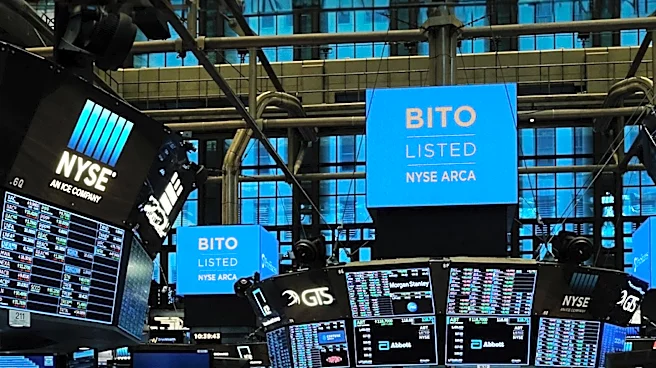
The launch of the Texas Stock Exchange represents a potential shift in the U.S. financial landscape, challenging the long-standing dominance of the New York Stock Exchange and NASDAQ. By establishing a new exchange in Dallas, TXSE aims to capitalize on Texas's economic strength and the growing financial sector in the region. This move could lead to increased investment opportunities for Texas companies and investors, potentially creating more jobs and fostering economic growth in the state. The presence of major financial institutions in Dallas, such as JP Morgan Chase and Goldman Sachs, underscores the region's potential as a financial hub. If successful, TXSE could provide a viable alternative for companies seeking to go public, particularly those that may not meet the stringent requirements of NYSE and NASDAQ.
What's Next?
As TXSE begins its phased rollout, the exchange will need to demonstrate its technical capabilities and reliability to attract corporate listings and investor confidence. The success of this initial phase will be crucial in establishing TXSE as a credible alternative to existing exchanges. Over time, TXSE aims to expand its offerings and attract more corporate listings, which will be essential for its long-term viability. The exchange's ability to compete with NYSE and NASDAQ will depend on its capacity to provide a robust trading platform and meet the needs of both companies and investors. The development of NYSE Texas and NASDAQ Texas branches in response to TXSE's launch indicates that established exchanges are taking the new competitor seriously, which could lead to increased competition and innovation in the financial services sector.