

What's Happening?
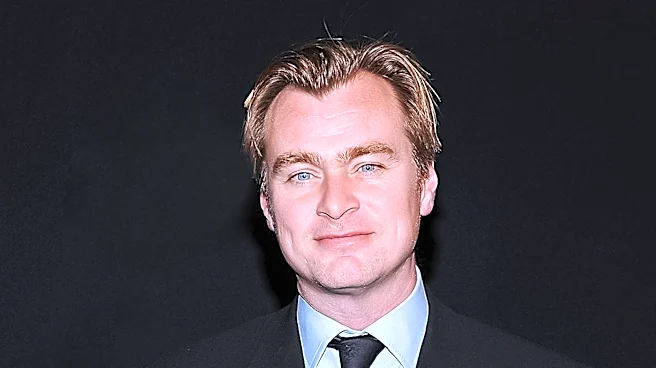
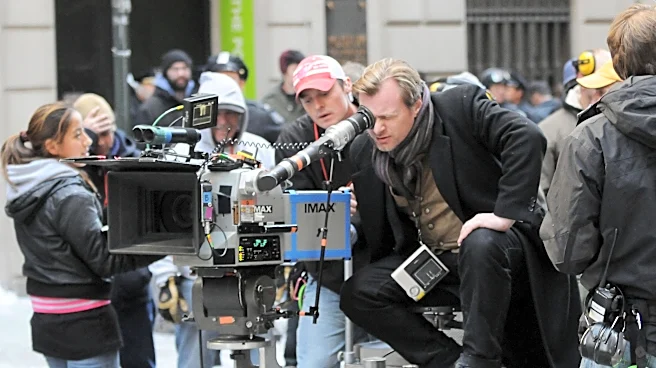
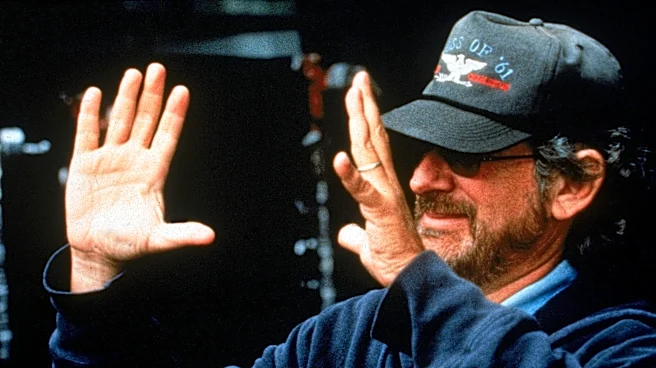
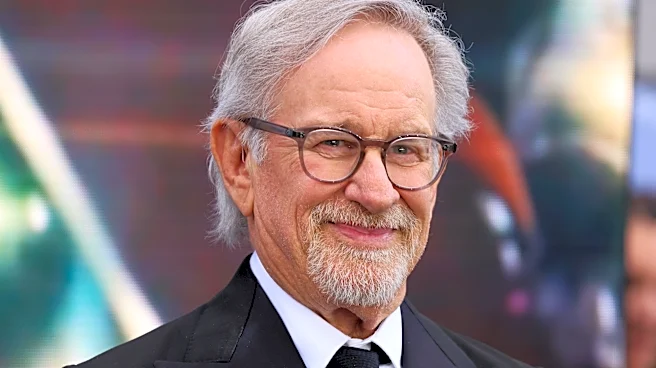
During a discussion at the DGA Theater in Los Angeles on November 17, Steven Spielberg encouraged Christopher Nolan to consider adapting Homer's epic poem, 'The Iliad,' as his next directorial project. Spielberg stated he was speaking not only for himself
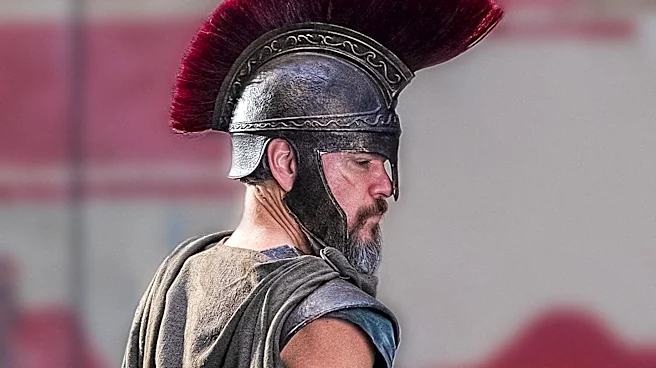
but also on behalf of Universal Pictures executives Donna Langley and Peter Cramer. He playfully suggested that such a film could become the most successful movie in history to never have a sequel. Nolan, known for large-scale films like 'Inception' and 'Oppenheimer,' laughed at the suggestion, acknowledging Spielberg's advocacy for Universal. This comes as Nolan's next project remains unannounced, though he is reportedly working on an adaptation of 'The Odyssey' starring Matt Damon. Nolan was previously attached to direct the 2004 epic 'Troy,' indicating a long-standing interest in Homeric material.
Why It's Important?
This suggestion highlights a significant trend in Hollywood where major studios and influential filmmakers are actively exploring classical epic source material for new productions. For Universal Pictures, securing a director of Nolan's caliber for a project like 'The Iliad' could represent a massive box office opportunity, potentially creating a critically acclaimed and financially successful film. Spielberg's framing of 'The Iliad' as a potential standalone blockbuster, rather than a franchise starter, suggests a strategic shift towards high-quality, event-style cinema that doesn't rely on sequels. This could influence other studios to invest in similar literary adaptations, potentially revitalizing the epic genre in mainstream cinema. The involvement of such prominent figures underscores the continued value placed on established narratives in an evolving entertainment landscape.
What's Next?
While Spielberg's suggestion was made in a public discussion, no official announcement regarding an 'Iliad' adaptation by Christopher Nolan or Universal Pictures has been made. Nolan's next confirmed project is an adaptation of 'The Odyssey,' which will likely precede any potential 'Iliad' film. The industry will be watching for any official statements from Nolan or Universal regarding future projects. Should Nolan decide to pursue 'The Iliad,' the next steps would involve script development, casting, and securing a production budget, none of which have been disclosed. The success of Nolan's upcoming 'Odyssey' adaptation could also influence the viability and perceived market for further Homeric epics.
Beyond the Headlines
The playful yet pointed suggestion from Spielberg to Nolan reflects a deeper industry dynamic where established directors often act as informal ambassadors for studios, subtly influencing future projects. It also underscores the enduring appeal and perceived commercial potential of classical literature in modern filmmaking. The idea of 'The Iliad' as a standalone blockbuster challenges the prevailing franchise model in Hollywood, suggesting a return to epic storytelling that prioritizes singular, grand narratives over multi-part sagas. This could signal a shift in how studios approach tentpole productions, potentially encouraging more one-off, high-budget literary adaptations. The conversation also highlights the collaborative and influential relationships among top-tier filmmakers within the industry.