






What's Happening?
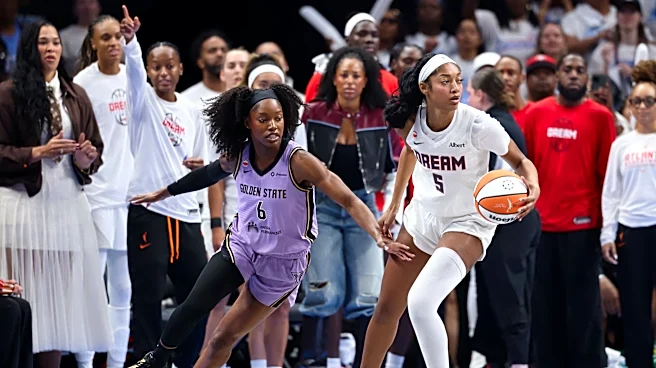
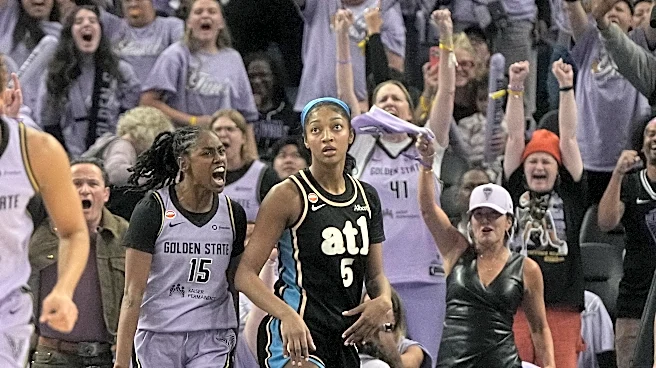
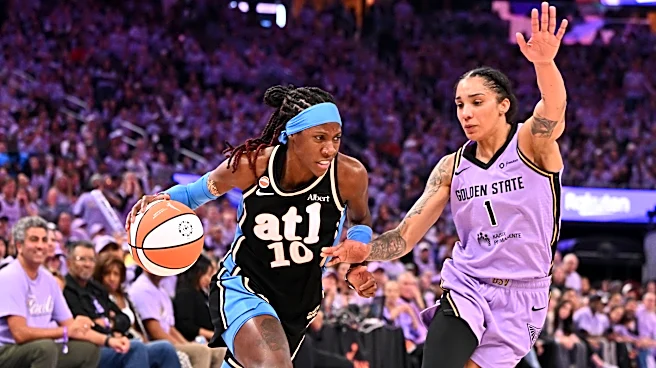
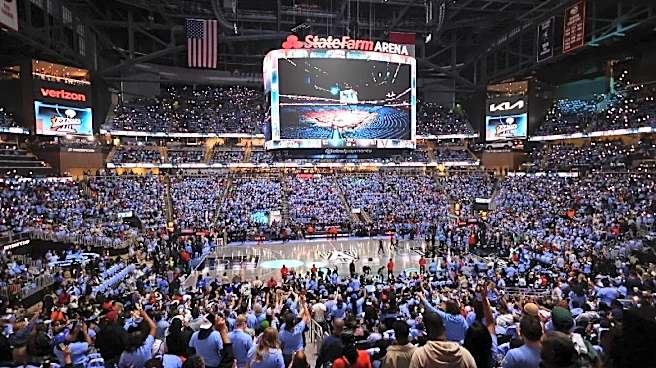
Atlanta Mayor Andre Dickens has issued an open letter encouraging schools and businesses across the city to grant students and employees flexibility to watch Game 6 of the Atlanta Dream's WNBA Finals. The game, originally scheduled for 8 p.m., was controversially
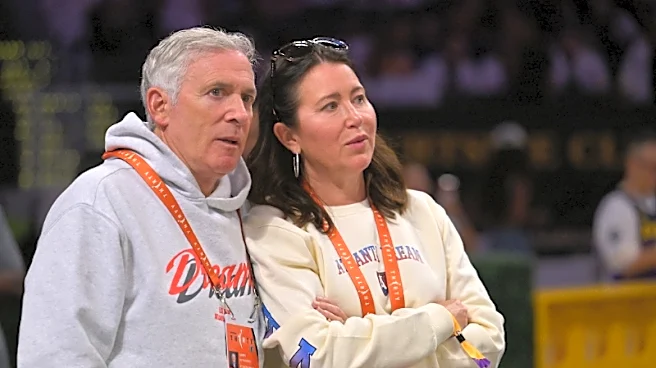
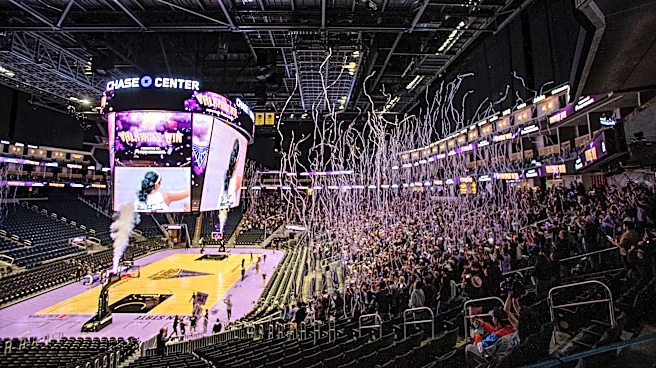
moved to 12:30 p.m. ET at State Farm Arena to accommodate an NBA game, placing it directly within typical school and work hours. The Atlanta Dream are currently trailing the Golden State Valkyries 3-2 in the best-of-seven series, making Game 6 a critical elimination match. Mayor Dickens emphasized the importance of community support for the team's championship aspirations, asking for 'a little grace' to be extended to those wishing to cheer on the Dream. This request comes amidst criticism from the Dream's ownership regarding the WNBA's scheduling decisions, stating their concerns about conflicts with NBA games were not adequately addressed.
Why It's Important?
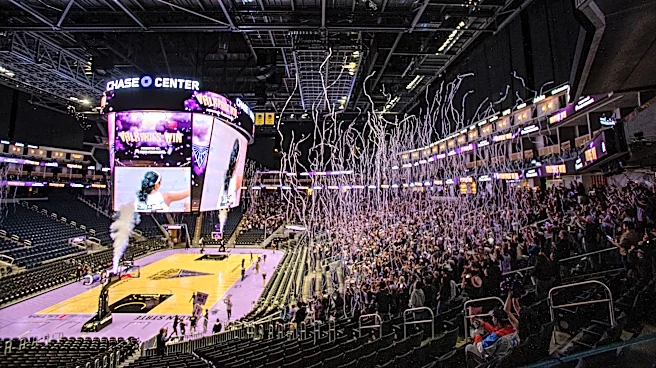
This situation highlights the ongoing challenges faced by women's professional sports leagues in securing prime-time scheduling slots and equitable venue access, often in competition with established men's leagues. The WNBA's decision to move a crucial Finals game to a midday weekday slot underscores a broader issue of prioritizing other events, potentially impacting fan engagement and the visibility of women's basketball. Mayor Dickens' intervention is significant as it brings civic leadership into the conversation, advocating for the cultural and community value of supporting local sports teams, even when scheduling is inconvenient. It also reflects a growing public demand for greater recognition and support for women's sports, as evidenced by the sold-out game despite the midday timing. The incident could influence future scheduling practices and venue negotiations for women's sports, pushing for more fan-friendly arrangements.
What's Next?
The immediate focus will be on Game 6 itself and the Atlanta Dream's performance. Beyond the game, the public discourse around the WNBA's scheduling practices is likely to continue. The Atlanta Dream's ownership has already voiced their dissatisfaction, and this public stance, coupled with Mayor Dickens' support, could lead to increased pressure on the league to re-evaluate its scheduling protocols for future seasons, especially concerning championship games. The Dream are set to make State Farm Arena their permanent home next season, which could alleviate some venue conflict issues in the long term. This event may also prompt other city officials and community leaders to take similar stances in support of local women's sports teams, fostering a more supportive environment for their growth and visibility.
Beyond the Headlines
The controversy surrounding the WNBA Finals Game 6 scheduling touches upon deeper societal perceptions and valuations of women's sports. The prioritization of an NBA game over a WNBA Finals game, even if for logistical reasons, can be interpreted as a symbolic devaluation of women's athletic achievements. Mayor Dickens' call for 'grace' and community support implicitly challenges this hierarchy, advocating for the idea that women's sports deserve prime attention and accessibility. This event could serve as a catalyst for broader conversations about gender equity in sports, media coverage, and resource allocation. It also highlights the power of local government and community leaders in shaping public perception and advocating for cultural institutions like sports teams, potentially fostering a more inclusive and equitable sports landscape in the future.