
What's Happening?
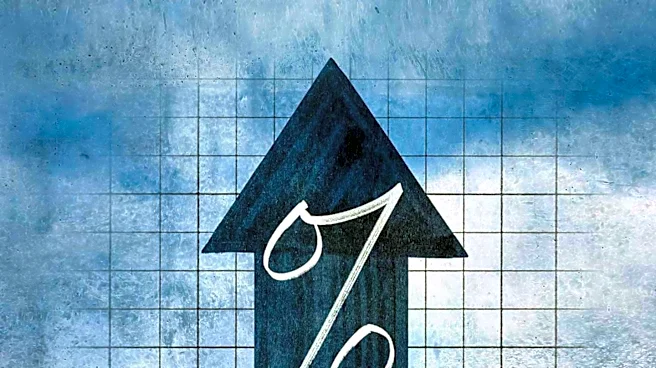
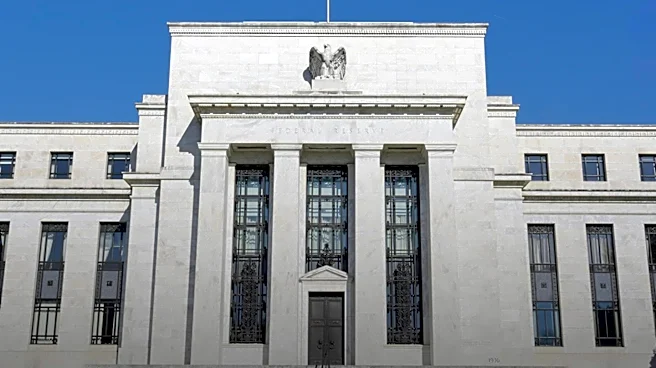
The Federal Reserve has indicated a significant shift in its monetary policy outlook, moving away from anticipated interest rate cuts towards the possibility of hikes. In September 2026, the Fed acknowledged
being 'knocked off the course' of its previous projections, re-emphasizing its commitment to price stability. By November 2026, the central bank suggested that inflation was proving more persistent than initially expected, leading to hints of potential 'jumbo interest rate hikes.' This change in stance reflects ongoing concerns about inflation remaining stubbornly above the Fed's target, coupled with a resilient labor market. The commercial real estate industry, which had largely anticipated lower rates, is now facing the reality of borrowing costs remaining elevated for a longer period.
Why It's Important?
This shift in the Federal Reserve's policy has significant implications across the U.S. economy. Higher interest rates make borrowing more expensive, which can dampen consumer spending and business investment, potentially slowing economic growth. For the commercial real estate sector, elevated financing costs will continue to pressure debt service requirements and necessitate adjustments in valuation expectations. Investors who have been waiting for lower rates to pursue transactions may find opportunities delayed, as market conditions are not aligning with previous expectations. This environment favors those who underwrite transactions based on current financing conditions rather than relying on future rate relief. The Fed's focus on inflation and employment data as key drivers for future policy means that these economic indicators will be closely watched by all stakeholders.
What's Next?
Market participants will closely monitor upcoming inflation trends, particularly Consumer Price Index (CPI) data, and labor market reports to gauge the Federal Reserve's next moves. Commentary and guidance from Federal Reserve officials will be crucial in understanding the trajectory of monetary policy. Treasury yield movements and overall capital availability will also provide insights into the financial landscape. For businesses and consumers, the expectation is that interest rates will remain higher for longer, impacting decisions related to borrowing, saving, and investment. The commercial real estate sector will need to adapt to this sustained higher-rate environment, with a continued focus on disciplined underwriting and realistic financial planning.
Beyond the Headlines
The Federal Reserve's evolving stance highlights the complex interplay between inflation, employment, and monetary policy. The repeated mispricing of rate cuts by the market suggests a disconnect between market sentiment and economic realities. This situation underscores the challenge central banks face in communicating their intentions and managing expectations in a dynamic economic environment. The long-term implications could include a re-evaluation of investment strategies across various sectors, with a greater emphasis on resilience and adaptability to fluctuating interest rate environments. It also raises questions about the effectiveness of traditional economic forecasting models in predicting the persistence of inflation and the strength of the labor market.