





What's Happening?
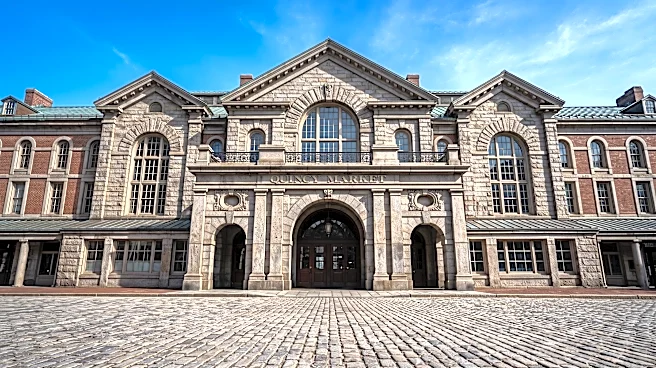
Quincy Market and Faneuil Hall Marketplace continue to be prominent destinations in Boston, offering a blend of historical significance, shopping, and dining experiences. These locations are highlighted as essential stops for visitors exploring Boston's
rich history and vibrant atmosphere. Quincy Market, in particular, is noted for its diverse food options, making it a popular spot for both tourists and locals seeking quick bites. The area provides a dynamic environment for wandering, shopping, and people-watching, contributing significantly to Boston's appeal as a tourist destination. Its historical context, alongside modern amenities, makes it a unique urban landmark.
Why It's Important?
The enduring popularity of Quincy Market and Faneuil Hall underscores the economic and cultural importance of preserving historical sites while integrating them into contemporary urban life. These marketplaces serve as significant economic drivers for Boston, attracting tourism and supporting local businesses, including food vendors and retailers. Their role in providing a central gathering place contributes to the city's social fabric, offering a space where diverse groups can interact and experience Boston's unique character. The continued success of these sites demonstrates the value of historical preservation combined with commercial viability, setting a precedent for urban development that honors the past while catering to present-day needs.
What's Next?
As Boston continues to evolve, Quincy Market and Faneuil Hall will likely remain central to the city's tourism strategy. Efforts may focus on maintaining their historical integrity while adapting to changing consumer preferences and urban development trends. Potential future initiatives could include enhancing visitor experiences through technological integration, diversifying retail and food offerings, or improving accessibility. The ongoing appeal of these landmarks suggests a stable future, with continuous efforts to balance their historical essence with the demands of a modern tourist economy. Their role as cultural touchstones will likely be reinforced through various city-led and private sector initiatives.
Beyond the Headlines
The sustained allure of Quincy Market and Faneuil Hall reflects a deeper societal appreciation for places that offer both historical narrative and contemporary utility. These sites are more than just commercial centers; they are living museums that tell the story of Boston's past, from its colonial roots to its present-day vibrancy. Their ability to draw crowds year after year speaks to a human desire for authentic experiences and connections to history. This phenomenon highlights the importance of urban planning that prioritizes public spaces capable of fostering community, commerce, and cultural education, serving as models for other cities looking to revitalize their historic districts.