





What's Happening?
Berkshire Hathaway, under the leadership of CEO Greg Abel who succeeded Warren Buffett in 2026, is strategically engaging with artificial intelligence (AI) through investments in established companies like Alphabet and Apple. This approach marks a shift
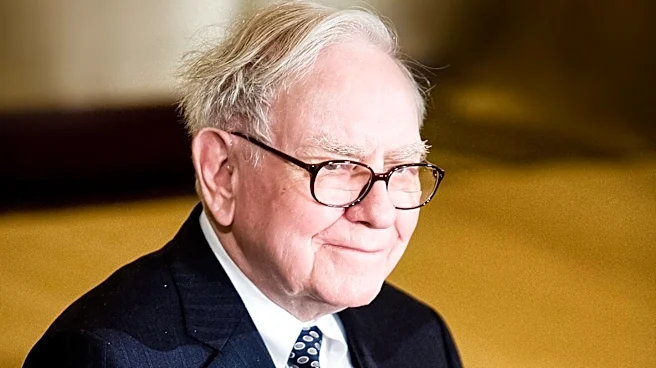
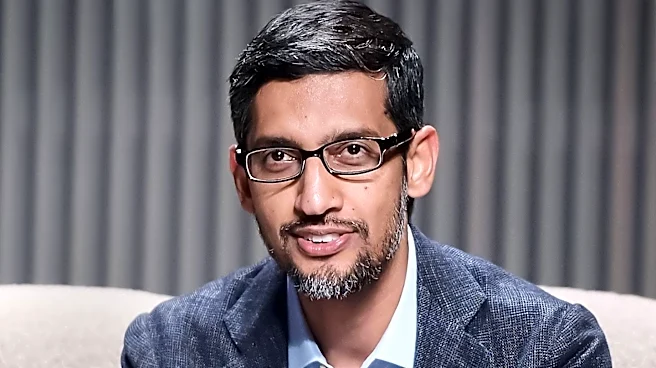
from Buffett's historical avoidance of technology stocks, reflecting a clearer understanding of the business prospects of these tech giants. Berkshire Hathaway's AI exposure is primarily gained by owning companies with existing customers, revenue, and cash flow, rather than early-stage startups. The company maintains a substantial cash reserve, reporting $359.2 billion in cash, cash equivalents, and Treasury bills as of June 30, 2026, enabling new investments without external financing. Buffett, now chairman emeritus, has acknowledged a past mistake in overlooking Google and views Alphabet as a likely winner despite its significant capital spending on AI infrastructure. He also expressed concerns about the unpredictable effects of AI, comparing it to nuclear weapons, and warned about the potential for AI-generated fraud.
Why It's Important?
Berkshire Hathaway's investment strategy in AI highlights a cautious yet adaptive approach to emerging technologies within the U.S. business landscape. By focusing on established companies, Berkshire Hathaway aims to mitigate the inherent risks associated with nascent AI ventures, prioritizing stable returns and proven business models. This strategy could influence other large investment firms to adopt a similar conservative stance, potentially channeling capital towards mature tech companies rather than high-risk startups. The substantial cash reserves held by Berkshire Hathaway provide a significant competitive advantage, allowing the company to make strategic investments during market fluctuations without relying on debt or equity dilution. Furthermore, Buffett's public statements regarding the dual nature of AI—as both a powerful tool and a potential source of fraud—underscore broader societal and ethical considerations that U.S. policymakers and businesses will need to address as AI technology advances.
What's Next?
The continued integration of AI into Berkshire Hathaway's portfolio suggests a long-term commitment to leveraging technology through established market leaders. Future developments will likely involve monitoring the profitability of the substantial AI infrastructure investments made by companies like Alphabet, as the return on these expenditures will determine their long-term value. The energy demands of AI data centers, projected to consume a significant portion of U.S. power by 2030, could also create opportunities for Berkshire Hathaway Energy's regulated utilities and BNSF Railway, which could benefit from increased electricity supply, grid investments, and transportation needs. Investors will be watching to see if this indirect AI exposure translates into tangible growth for these segments. Additionally, the ongoing discussion around AI's potential for fraud, as highlighted by Buffett, may prompt increased regulatory scrutiny and the development of new security measures within the U.S. financial and technological sectors.
Beyond the Headlines
The shift in Berkshire Hathaway's investment philosophy regarding technology, particularly AI, reflects a broader evolution in how traditional investment powerhouses are adapting to the digital age. Buffett's initial skepticism and subsequent embrace of companies like Alphabet, albeit with caution, illustrate the learning curve even for seasoned investors when confronted with disruptive technologies. His comparison of AI to nuclear weapons raises profound ethical questions about the control and deployment of such powerful tools, echoing concerns voiced by technologists and ethicists alike. The potential for AI to facilitate sophisticated fraud also points to a growing challenge for cybersecurity and consumer protection agencies in the U.S., necessitating innovative solutions to safeguard individuals and financial markets. This development underscores the need for a balanced approach that fosters technological innovation while simultaneously addressing its inherent risks and societal implications.