







What's Happening?
Airbnb has purchased the iconic building at 281 Park Avenue South in New York City for $81.5 million. This property, known as the 'Anna Delvey Building,' gained notoriety when Anna Sorokin, posing as a German heiress, attempted to lease it for her social
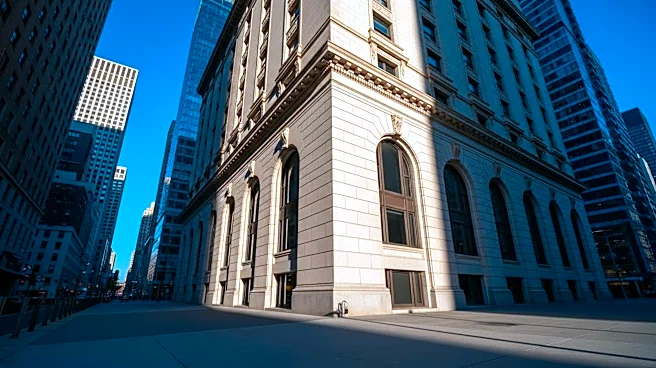
club. The building, a Beaux Arts landmark, will serve as Airbnb's first owned office in New York City. Despite New York City's stringent regulations against short-term rentals, Airbnb's acquisition signals its commitment to maintaining a presence in the city. The building, designed by architects Robert W. Gibson and Edward J. Neville, was built in 1894 and has been a New York City landmark since 1979.
Why It's Important?
This acquisition marks a significant investment by Airbnb in New York City, highlighting its strategic interest in maintaining a foothold in a market where it faces regulatory challenges. The purchase of such a historic and recognizable property underscores Airbnb's long-term commitment to the city, despite the near-ban on short-term rentals. This move could influence other tech companies to invest in physical office spaces in major urban centers, even amidst regulatory hurdles. The transaction also reflects the ongoing interest in iconic real estate assets, which continue to attract significant attention and investment.
What's Next?
Airbnb's acquisition may prompt further discussions with New York City officials regarding the current regulations on short-term rentals. The company is likely to continue advocating for more lenient policies that would allow it to operate more freely in the city. Additionally, the building's transformation into Airbnb's office could set a precedent for how tech companies utilize historic properties, potentially influencing future real estate trends in urban areas.
Beyond the Headlines
The purchase of the 'Anna Delvey Building' by Airbnb not only shifts the narrative from its infamous past but also highlights the evolving landscape of corporate real estate strategies. As companies like Airbnb invest in landmark properties, there may be broader implications for urban development and the preservation of historic sites. This trend could lead to a reevaluation of how such properties are utilized, balancing commercial interests with cultural and historical preservation.