






What's Happening?
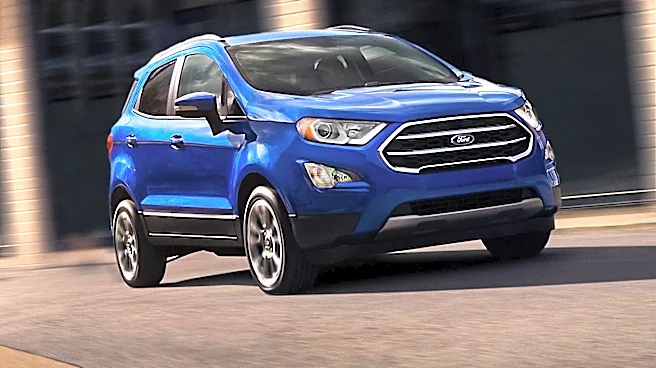
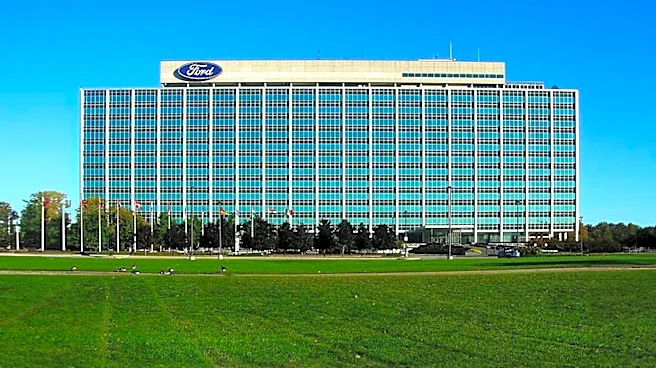
Ford is facing a proposed class action lawsuit in Michigan after announcing a $1.3 billion gain from tariff refunds, while maintaining that customers who paid tariff-related markups will not be reimbursed. The lawsuit, filed by a Ford Mustang Mach-E owner,
claims that Ford incorporated tariff expenses into vehicle prices and destination charges, and argues that customers should be repaid now that Ford is eligible for tariff refunds. The tariffs in question were imposed under the 1977 International Emergency Economic Powers Act, and some were later deemed illegal by the Supreme Court. Similar cases have been filed against other companies like Amazon and Nike.
Why It's Important?
This legal action raises questions about corporate responsibility and consumer rights in the context of tariff-related pricing. If companies are allowed to retain both the higher prices charged during a tariff period and the subsequent refunds, it could set a precedent affecting consumer trust and corporate practices. The outcome of this case could influence how companies handle tariff-related costs and refunds in the future, potentially leading to broader implications for pricing transparency and consumer protection.
What's Next?
The class action lawsuit seeks to recover what it describes as tariff-related overcharges paid by customers. If the case proceeds, it could test the legal obligations of companies to share tariff refunds with consumers. A ruling in favor of the plaintiffs could have significant repercussions for other companies facing similar lawsuits, potentially leading to changes in how tariff costs are managed and communicated to consumers.