






What's Happening?
The Royal Swedish Opera is scheduled to host a Farewell Concert at the Opera House on November 29, 2026. This event will precede the Opera House's closure for an extensive five-year renovation period. The concert program will feature a blend of classical
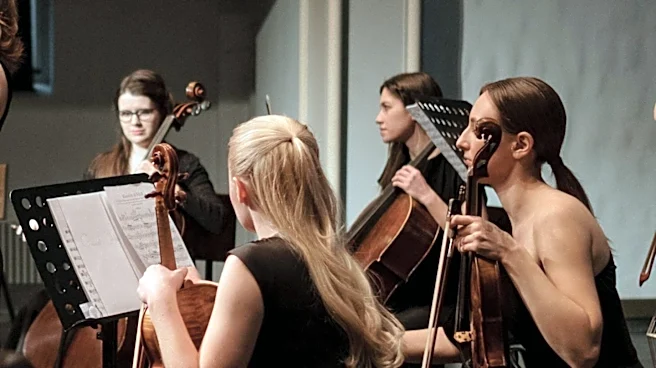
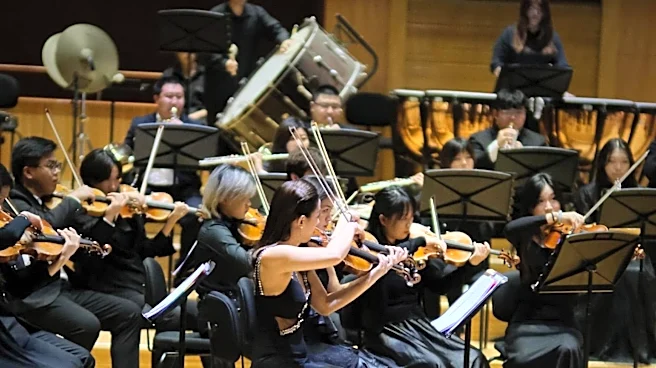
and contemporary works, including pieces by Mozart, Dvořák, Puccini, and Swedish composer Jacob Mühlrad. The Royal Swedish Orchestra, Royal Swedish Opera Chorus, and various vocal soloists will perform under the direction of Music Director Alan Gilbert. The concert is designed to celebrate the venue's history and provide a musical farewell to audiences before the temporary closure. The program includes excerpts such as the overture from Mozart's "Le nozze di Figaro," "Song to the Moon" from Dvořák's "Rusalka," and "Vissi d'arte" from Puccini's "Tosca." Additionally, several of Mühlrad’s works will be presented in specially arranged versions, curated by him and Gilbert. The concert will conclude with the finale of Joseph Haydn’s Symphony No. 45, known as the "Farewell Symphony," where musicians famously leave the stage one by one.
Why It's Important?
While this event is centered in Sweden, it holds significance for the broader international classical music community and cultural institutions globally. The temporary closure of a historic venue like the Royal Swedish Opera for a five-year renovation highlights the ongoing challenges and investments required to maintain and modernize cultural landmarks. This extended closure could impact international artists and audiences who frequently visit or perform at such prestigious venues, potentially shifting focus to other opera houses during this period. The concert itself, featuring a mix of established classical composers and a contemporary Swedish artist, underscores the efforts of cultural institutions to balance tradition with innovation. The renovation project also represents a substantial financial and logistical undertaking, reflecting a commitment to preserving and enhancing cultural infrastructure, a trend observed in various countries as they seek to adapt historic buildings for future use and accessibility. The 'Farewell Symphony' as a closing piece adds a poignant and symbolic layer to the event, resonating with the temporary departure of a beloved cultural space.
What's Next?
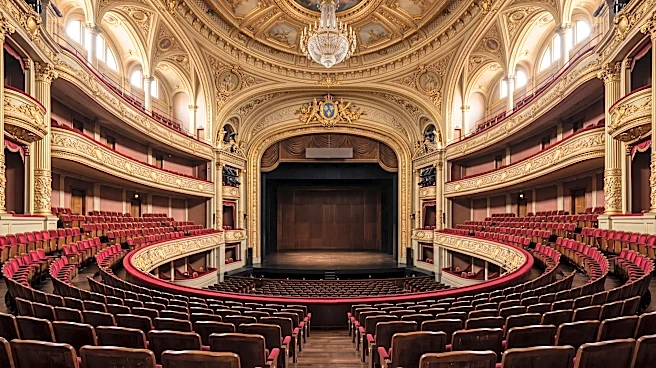
Following the Farewell Concert on November 29, 2026, the Royal Swedish Opera House will close its doors for at least five years to undergo significant renovations. During this period, the opera company will likely need to find alternative venues for its performances, which could involve collaborations with other theaters or temporary performance spaces. The renovation project itself will entail extensive planning, construction, and restoration work, aiming to modernize the facilities while preserving the historical integrity of the building, which has been a cultural hub since 1898. The long-term impact will be the reopening of a revitalized Opera House, expected to offer enhanced experiences for both performers and audiences. The temporary displacement may also lead to new artistic collaborations or community engagement initiatives as the institution adapts to its interim operational model. The success of the renovation will be crucial for the future of opera and ballet in Sweden, ensuring the venue remains a leading cultural destination.
Beyond the Headlines
The five-year closure of the Royal Swedish Opera for renovation extends beyond a mere logistical undertaking; it represents a broader cultural and architectural narrative. Such extensive renovations of historic cultural institutions often spark discussions about the balance between preserving heritage and adapting to modern needs, including accessibility, technological advancements, and environmental sustainability. The decision to invest in a multi-year closure reflects a long-term vision for the arts, acknowledging that these spaces are not just venues but living monuments that require continuous care. This period of closure could also foster a sense of anticipation and renewed appreciation among the public for the Opera House's eventual return. Furthermore, the inclusion of contemporary composer Jacob Mühlrad alongside classical masters in the farewell concert highlights a deliberate effort to bridge different eras of music, signaling a forward-looking approach even as the institution temporarily steps away from its physical home. The 'Farewell Symphony' ending, with musicians departing one by one, serves as a powerful metaphor for the temporary hiatus, emphasizing the human element and the collective experience of art.